
Pruning
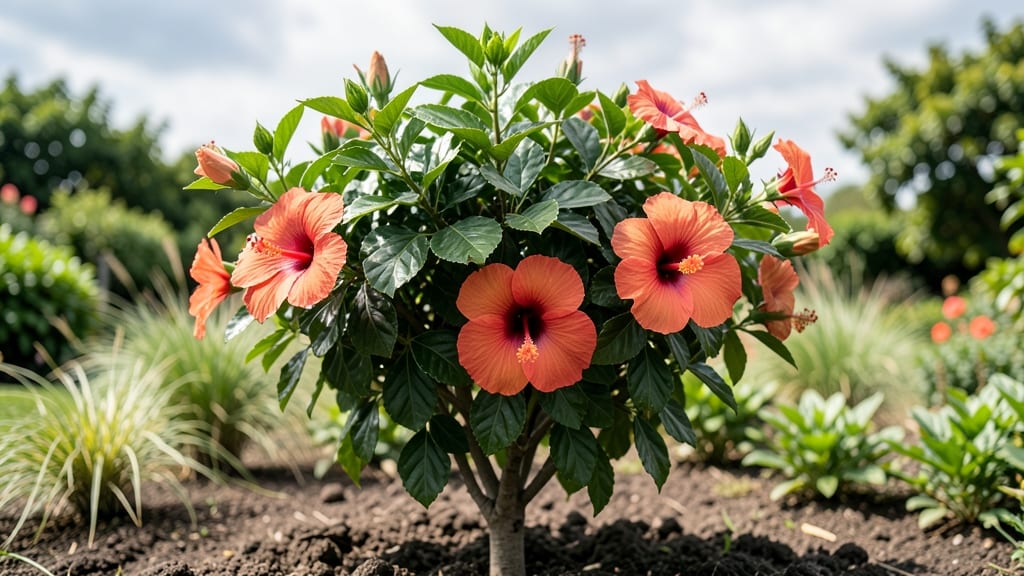
Your Fiesta hibiscus bush could be the star of your garden with just three seasonal trims. 🌺 The secret lies in understanding its tropical roots—this plant thrives on regular shaping, not neglect.
I learned the hard way that skipping pruning leads to leggy growth and fewer blooms, but once I mastered the timing, my bush exploded with vibrant red flowers from spring to frost.
Start with well-draining soil and full sun—at least 6-8 hours daily. Water deeply when the top inch feels dry, but avoid soggy roots. The key to year-round blooms is pruning: a light trim after spring blooms, a mid-summer shape-up, and a hard cutback before winter.
This keeps the bush compact and encourages fresh growth.
By summer’s end, you’ll have a bush covered in 3-4 inch blooms that last all day. The flowers even attract hummingbirds, turning your garden into a lively hub. The best part? With proper care, your Fiesta hibiscus can live for decades, growing taller and more vibrant each year.
Works in zones 7-11, but even cooler climates can grow it in containers and bring it indoors for winter. The only real mistake is over-pruning—this plant is tougher than it looks. Let’s get your bush thriving!
📚 In This Guide
- What you need
- Instructions
- Tips and common mistakes
- Wrapping up and next steps
What you need
- ● Fiesta Hibiscus Plant: 1 healthy nursery-grown bush (ensure it’s disease-free and well-rooted).
- ● Well-draining potting mix: 5–10 gallons (depending on pot size). Opt for a mix with perlite or sand for aeration.
- ● Container or in-ground space: Container: A pot at least 15–20 gallons (20–24" diameter) with drainage holes.
- ● In-ground: A spot with 6+ hours of sunlight and 6+ feet of spacing between plants.
- ● Pruning tools: 1 pair of sterilized bypass pruners (for clean cuts).
- ● 1 pair of hand pruners (for smaller trims).
- ● 1 sharp pruning saw (for thick stems, if needed).
- ● Gloves: 1 pair of gardening gloves (to protect from thorns and sap).
- ● Fertilizer: A balanced, slow-release fertilizer (10-10-10 or 20-20-20) or organic options like composted manure.
- ● Mulch: 2–3 inches of organic mulch (e.g., wood chips or shredded bark) to retain moisture.
- ● 1 plant support stake (for young or top-heavy bushes).
- ● 1 spray bottle (for misting leaves in hot climates).
- ● 1 pH testing kit (to monitor soil acidity, ideal range: 6.0–6.5).
- ● 1 slow-release watering system (e.g., drip irrigation or self-watering pot).
- ● 1 plant food booster (e.g., fish emulsion or hibiscus-specific fertilizer for blooms).
How to grow a Fiesta hibiscus bush year-round
Here’s how I keep my Fiesta hibiscus blooming nonstop—just three strategic trims a year make all the difference.
🌱 Step 1: Plant in Well-Draining Soil With Full Sun
Fiesta hibiscus thrives in 6+ hours of direct sun daily, so pick the sunniest spot in your yard. Amend native soil with 1/3 compost to improve drainage—this plant hates soggy roots. Dig a hole twice as wide as the root ball but no deeper, then loosen the roots slightly before placing it in.
Backfill with native soil, tamp gently to remove air pockets, and water deeply to settle everything. The first flush of new growth tells you the roots have found purchase—usually within 2-3 weeks. Mulch around the base with 2-3 inches of organic mulch to retain moisture and protect roots from temperature swings.
✂️ Step 2: First Trim After Last Frost (Early Spring)
Once nighttime temperatures stay above 50°F, it’s time for your first trim. Cut back 1/3 of the plant’s height to encourage bushier growth. Focus on removing dead or crossing branches first—they compete for energy and weaken the plant.
Use clean, sharp pruners to make cuts just above a leaf node (the bump where leaves attach). This ensures new growth sprouts from that spot. You’ll see fresh, vibrant buds forming within 4-6 weeks—that’s your signal the plant is rebounding. Avoid trimming in fall; new growth won’t harden off before winter.
☀️ Step 3: Summer Maintenance Trim (Mid-Season)
When you notice more than 1/3 of the plant is bare or leggy, it’s time for a light summer trim. Snip back only the longest stems by 1/4 of their length to maintain shape and encourage more blooms. This keeps the plant compact and prevents it from becoming top-heavy.
Deadhead spent blooms regularly—just pinch them off with your fingers or snip with pruners. This redirects the plant’s energy into producing new flowers instead of seed pods. Water deeply 2-3 times a week during dry spells, letting the top 2-3 inches of soil dry between waterings to prevent root rot.
⏰ Step 4: Final Trim Before Winter (Late Fall)
About 6 weeks before your first frost, give your Fiesta hibiscus one last trim. Cut back half of the plant’s height to reduce winter damage. This also prevents snow or ice from breaking brittle stems. Remove any diseased or weak growth first—it won’t survive winter anyway.
After trimming, apply a 2-inch layer of mulch around the base to insulate roots. In colder climates (below 20°F), wrap the plant in burlap or use a frost blanket for extra protection. In spring, you’ll see fresh growth emerge from the base—proof the plant survived and is ready to bloom again.
🌿 Step 5: Year-Round Care for Nonstop Blooms
Fiesta hibiscus loves balanced fertilizer—apply a 10-10-10 formula every 4-6 weeks during growing season. In late summer, switch to a low-nitrogen, high-phosphorus fertilizer to encourage more blooms. Prune lightly throughout the season to maintain shape and remove any dead or diseased growth immediately.
Watch for pests like aphids or spider mites—spray with neem oil if you spot them. The key to year-round vibrancy is consistency: sun, water, and timely trims. With these steps, your Fiesta hibiscus will reward you with bold, continuous blooms from spring through fall—and even surprise you with early spring flowers.
Tips & tricks for growing a thriving Fiesta hibiscus
Three simple tweaks can transform your Fiesta hibiscus from a seasonal showstopper to a year-round stunner. Let me share the secrets I've learned after years of trial and error.
Sunlight Strategy: That 6+ hours of direct sun isn't just a minimum—it's your plant's daily vitamin. If your yard has partial shade, consider a sunny patio or balcony instead. I've seen Fiesta hibiscus in containers thrive with morning sun and afternoon shade, but the blooms will be fewer. For maximum impact, rotate your plant every few weeks so all sides get equal sun exposure. This prevents lopsided growth and ensures even coloring.
Pruning Precision: When you're cutting back 1/3 of the plant's height in Step 2, aim for clean cuts just above leaf nodes. I use clean, sharp pruners and make the cut at a 45-degree angle about 1/8 inch above the node. This creates a larger surface for water absorption and prevents disease. For the summer maintenance trim, focus on the longest stems—these are the ones that have outgrown their space and are competing with younger growth for nutrients.
Frost Protection: That 6-week window before first frost is critical for winter prep. If you're in a borderline climate where temperatures fluctuate, consider adding a 1-inch layer of straw mulch on top of your regular mulch for extra insulation. I've also had success wrapping the plant in a frost blanket during unexpected cold snaps—just remove it during the day when temperatures rise above freezing. The key is to protect the plant without suffocating it.
Watering Wisdom: The 2-3 inches of soil drying between waterings is a guideline, not a rule. In summer heat, you might need to water every other day, while winter watering should be reduced to once every 10 days or so. Always check the soil moisture by sticking your finger about 2 inches down—if it's dry, it's time to water. Overwatering is the #1 killer of Fiesta hibiscus, so when in doubt, water less.
Pro Tips for Fiesta Hibiscus Bush
- Three simple tweaks can transform your Fiesta hibiscus from a seasonal showstopper to a year-round stunner. Let me sh...
- Sunlight Strategy: That 6+ hours of direct sun isn't just a minimum—it's your plant's daily vitamin. If your yard has...
- Pruning Precision: When you're cutting back 1/3 of the plant's height in Step 2, aim for clean cuts just above leaf n...
Frequently asked questions
How often should I prune my Fiesta Hibiscus?
Prune your Fiesta Hibiscus 3 times a year for best results: lightly after flowering (to shape), mid-summer (to encourage bushiness), and late winter/early spring (to prep for new growth). Avoid heavy pruning in fall—it stresses the plant before dormancy. Check our seasonal guide for timing tips!
Why aren’t my Fiesta Hibiscus flowers blooming?
Lack of blooms often stems from over-fertilizing with high-nitrogen feed (which promotes leaves, not flowers) or inconsistent watering. Hibiscuses need balanced fertilizer (10-10-10) and even moisture—drought stress or soggy roots can halt flowering. Prune strategically too: Cut back 1/3 of the oldest stems annually to encourage new, flower-bearing growth.
Can Fiesta Hibiscus survive winter in cold climates?
Native to tropical regions, Fiesta Hibiscus is tender to frost (below 30°F/-1°C). In colder zones, dig up pots or mulch heavily and wrap the bush in burlap. For in-ground plants, prune back drastically before winter and cover with frost cloth. If damaged, wait until spring to prune dead growth—new shoots will emerge from the roots!
What’s the best alternative if Fiesta Hibiscus is too high-maintenance?
If you want low-maintenance, vibrant blooms, try these Fiesta Hibiscus lookalikes:
- Tropical Hibiscus (Hibiscus rosa-sinensis): Hardier, blooms year-round in warm climates.
- Hardy Hibiscus (Hibiscus moscheutos): Thrives in cooler zones (USDA 5-9) with minimal pruning.
- Plumeria (Frangipani): Drought-tolerant and fragrant, but slower-growing.
My Fiesta Hibiscus leaves are yellowing—what’s wrong?
Yellow leaves usually signal overwatering or nutrient deficiencies. Check the soil:
Soggy soil? Hibiscuses hate wet feet—reduce watering and ensure pots have drainage holes.
Pale yellow? Likely nitrogen deficiency. Switch to a phosphorus-rich fertilizer (like 5-10-10) to boost blooms.
Yellow with brown edges? Could be fluoride buildup from tap water. Use rainwater or distilled water instead.
Pro tip: Wipe leaves occasionally to remove dust, which blocks sunlight and stresses the plant.Wrapping up and next steps
Transforming your garden into a year-round fiesta of vibrant blooms is easier than you think with the Fiesta Hibiscus! By mastering the art of seasonal trims—spring, summer, and fall—you’ll keep your bush lush, healthy, and bursting with color.
Remember, a little patience and care go a long way in nurturing this stunning plant.
Ready to dive in? Start small—pick one season to practice your pruning skills, and soon, you’ll be the proud gardener of a Fiesta Hibiscus that steals the show! 🌸✨ Grab your shears and get trimming!