
Pruning
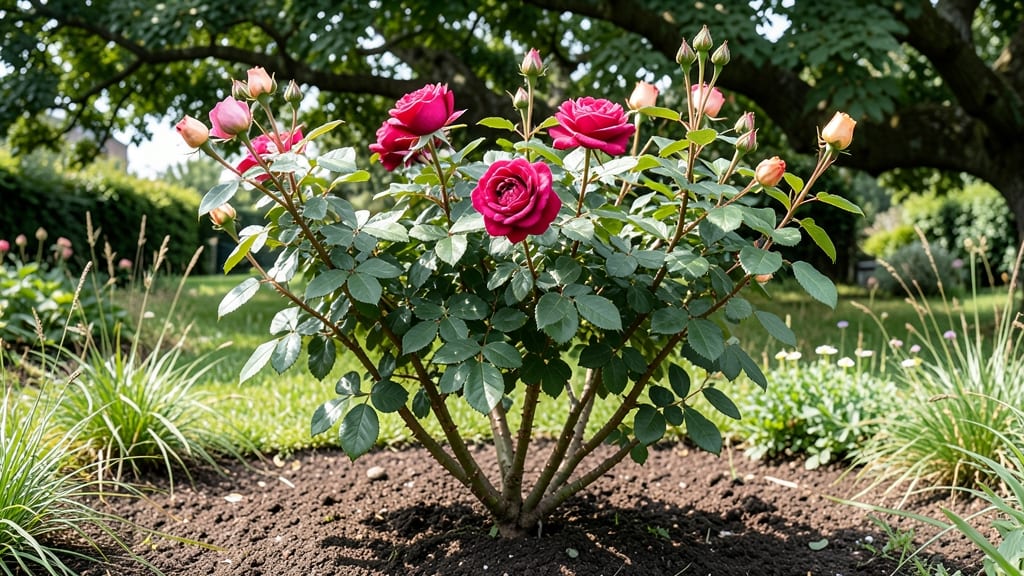
Ferdinand Pichard roses smell like heaven in a bush—that rich, velvety fragrance makes every pruning session worth it. 🌹 I’ve spent years perfecting my approach with this variety, and the secret to its legendary blooms isn’t complicated: it’s all about pruning at the right times and giving it the care it craves.
This isn’t your average rose—it’s a showstopper that rewards patience with clusters of deep pink blooms from spring through frost.
The key starts with well-draining soil (amend with compost if yours is heavy) and full sun (at least 6 hours daily). Water deeply but let the top inch dry between soakings—overwatering is the fastest way to invite disease.
And here’s the game-changer: prune in stages—light cuts in early spring, heavier shaping after blooms fade, and a final cleanup before winter. That’s how you keep it lush and flowering all season long.
By mid-summer, you’ll be snipping back spent blooms and watching new buds form within weeks—proof the plant is thriving. The fragrance alone makes it worth the effort, but the real magic happens when you see those clusters of blooms stretching from early June right through fall.
Even in colder zones, with proper winter protection, it comes back stronger every year.
Whether you’re a first-time rose grower or a seasoned pruner, this variety forgives mistakes—if you keep it healthy. The biggest pitfall? Skipping the spring cleanup or pruning too late.
But once you nail the rhythm, Ferdinand Pichard becomes the rose that never stops giving. Ready to transform your garden into a fragrant paradise?
📚 In This Guide
- What you need
- Instructions
- Tips and common mistakes
- Wrapping up and next steps
What you need
- ● Pruning shears: Bypass pruners (sharp, clean, and bypass-style for clean cuts—avoid anvil pruners). Quantity: 1 pair (or 2 if working with thick canes).
- ○ Loppers: For thicker canes (½"–1" diameter). Quantity: 1 pair (optional but helpful for mature bushes).
- ● Gloves: Heavy-duty gardening gloves (cut-resistant, like mechanized or leather—roses have thorns!). Quantity: 1 pair.
- ● Disinfectant: Rubbing alcohol (70%+) or hydrogen peroxide (3%) to sterilize tools between cuts. Quantity: Small bottle.
- ○ Pruning sealant (optional): Tree wound paint (e.g., Tanglefoot Pruning Seal) for large cuts > ½". Quantity: Small tube.
- ● Trash bags: For collecting pruned canes. Quantity: 1–2 heavy-duty bags.
- ● Notebook & pen: To sketch your rose’s structure or note pruning decisions. Quantity: 1.
- ● Timing: Prune Ferdinand Pichard (a Noisette rose) in late winter/early spring (just before new growth starts) or lightly after blooming to encourage rebloom. ⏰ Best time: Zone 7–9: February–March.
- ● Weather: Choose a dry, overcast day (or prune in the morning if sunny) to reduce stress on the plant.
- ● Knowledge: Familiarize yourself with Ferdinand Pichard’s growth habit—it’s a semi-climbing, repeat-blooming rose with arching canes. Study its structure or watch a quick tutorial!
- ● Safety: Wear long sleeves/pants and closed-toe shoes—those thorns are serious!
Step-by-Step guide to reviving Ferdinand Pichard roses with pruning mastery
Here’s how I transform leggy, underperforming Ferdinand Pichard roses into lush, repeat-blooming stars—year after year.
✂️ Step 1: Time Your First Prune for Late Winter
Wait until your last frost date has passed and new growth is visible—usually mid-to-late February in most climates. This is your window to shape the bush for the season. I prune when days start warming toward 50°F at night, because roses need energy to push new shoots.
Start by removing any dead, diseased, or crossing branches first. Snip them back to the base or to a healthy outward-facing bud. Ferdinand Pichard roses bloom on new wood, so aggressive pruning now encourages dense, vigorous growth. Use clean, sharp pruners—dull blades tear stems and invite infection.
🌿 Step 2: Open the Center for Airflow and Light
Ferdinand Pichard roses need 6-8 hours of sunlight daily, but thick centers block that light. Cut back one-third of the oldest canes to the ground—these are the thickest stems that no longer produce well. You’ll see them in the middle of the bush, often with fewer leaves and smaller stems.
Next, thin out crowded stems to create space. Aim for 3-5 strong canes per foot of bush width. This isn’t about quantity—it’s about quality. Each remaining cane should have at least 3-5 buds along its length. Watch for buds that face outward; these will grow into sturdy branches.
☀️ Step 3: Summer Pruning to Extend Blooms
After the first flush of flowers fades, prune again in early July. This is your secret to continuous blooms. Cut back spent blooms to the first set of 5 healthy leaves below the flower. This encourages lateral buds to open, giving you that classic Ferdinand Pichard repeat-blooming habit.
Remove any suckers—those aggressive shoots growing from the base or along the stem. They sap energy from your blooms. Also, trim back any leggy growth that’s stretching toward the sun. You’ll know it’s time when new shoots are 6-8 inches long—prune them back by half to promote bushier growth.
⏰ Step 4: Light Autumn Pruning for Winter Prep
When temperatures drop below 60°F at night and new growth slows, do a final light prune in late October. Remove any remaining dead or weak stems, but avoid heavy cuts now—you don’t want to stimulate tender growth before winter.
Shape the bush lightly, focusing on balancing the canopy. Ferdinand Pichard roses respond well to a natural, rounded form. Leave the canes slightly taller than last year’s prune—this protects the bush from cold winds. Mulch around the base with 2-3 inches of organic mulch to insulate roots.
🌱 Step 5: Post-Winter Revival Prune
In early spring, just as buds begin to swell, do one last prune. This is your chance to tidy up any winter damage. Cut back any canes that died back to the ground, but leave any that show green—even if they’re short. These will sprout new growth.
Shape the bush lightly, removing any crossing branches or weak stems. Fertilize now with a balanced rose food (10-10-10) to kickstart growth. You’ll see the difference within 3-4 weeks—new shoots will emerge, and those classic Ferdinand Pichard blooms will return in full force.
Tips & tricks for perfect Ferdinand Pichard rose bush pruning
Here's what nobody tells you about getting those Ferdinand Pichard roses blooming like clockwork all season.
Timing is Everything: The late winter prune in mid-to-late February is non-negotiable for Ferdinand Pichard roses. I learned this the hard way after pruning too early—those buds need warmth to wake up properly. Look for nights consistently reaching 50°F and visible new growth before you begin. This timing ensures your pruning stimulates fresh growth rather than shocking the plant.
Bud Selection Matters: When pruning in Step 2, focus on outward-facing buds—they'll grow into sturdy branches that create an open, airy structure. I always count 3-5 buds per cane to ensure enough blooms while maintaining shape. Skip the inward-facing buds; they'll crowd the center and block sunlight, which Ferdinand Pichard roses absolutely need for those vibrant blooms.
Summer Pruning Secret: That early July prune isn't just about tidying up—it's about encouraging lateral buds to open. When you cut back spent blooms to the first 5 healthy leaves, you're telling the plant to put energy into side shoots rather than just vertical growth. Watch for new shoots reaching 6-8 inches before pruning them back by half; this creates bushier growth that translates to more blooms later in the season.
Winter Prep Wisdom: The late October prune might seem counterintuitive, but it's crucial for winter survival. By leaving canes slightly taller than last year's prune, you create a natural windbreak that protects the bush's center from cold winds. That 2-3 inches of organic mulch isn't just decoration—it acts like a blanket, insulating roots through winter's chill while preventing soil temperature swings that can stress the plant.
Pro Tips for Ferdinand Pichard Rose Bush
- Here's what nobody tells you about getting those Ferdinand Pichard roses blooming like clockwork all season.
- Timing is Everything: The late winter prune in mid-to-late February is non-negotiable for Ferdinand Pichard roses.
- Bud Selection Matters: When pruning in Step 2, focus on outward-facing buds—they'll grow into sturdy branches that create an open, airy structure.
Frequently asked questions
Got questions about mastering the Ferdinand Pichard rose bush? You’re not alone!
Here are the most common queries—plus expert answers—to help you keep this stunning climber blooming beautifully year after year.
How often should I prune a Ferdinand Pichard rose bush?
The key is timing and frequency. Prune once a year in late winter or early spring (before new growth starts) to shape the bush and encourage robust blooms. Light trimming after major flushes (like post-bloom) helps maintain airflow. Avoid heavy cuts in fall—wait until dormancy.
What’s the best way to prune for maximum blooms?
Focus on selective cuts:
- Remove dead, diseased, or crossing branches first.
- Cut back old canes by ⅓ to stimulate new growth.
- Shape the bush into an open vase form for sunlight access.
- Leave 3–5 strong buds per stem for spring blooms.
Can I prune Ferdinand Pichard roses in summer?
Yes, but lightly! Summer pruning is for maintenance—trim only spent blooms (deadheading) or overly long stems. Avoid heavy cuts, as this can stress the plant and reduce fall/winter hardiness. Never prune after mid-summer to prevent late-season growth from freezing.
What if my Ferdinand Pichard rose bush isn’t blooming?
Check these troubleshooting steps:
- Light issue: Needs 6+ hours of sun daily.
- Over-pruning: Too many cuts = fewer blooms.
- Nutrient deficiency: Feed with rose-specific fertilizer in spring.
- Pests/disease: Inspect for aphids or black spot.
Are there alternatives to Ferdinand Pichard for low-maintenance blooms?
If pruning feels overwhelming, try these hardy, repeat-blooming roses:
- Knock Out® roses – Disease-resistant, no deadheading needed.
- David Austin ‘Gertrude Jekyll’ – Fragrant, low-maintenance climber.
- Flower Carpet® roses – Ground cover, minimal pruning.
Wrapping up and next steps
Mastering the art of pruning your Ferdinand Pichard rose bush transforms it into a year-round blooming powerhouse—vibrant, healthy, and full of life! 🌸 With the right tools, timing, and techniques, you’ve got everything you need to keep those petals popping from spring to frost.
Remember, consistency is key, and a little patience goes a long way.
Ready to take the next step? Start small—pick one season’s pruning tips to practice, then gradually expand your skills. Before you know it, your garden will be the talk of the neighborhood! Happy pruning! 🌿