
Container Gardens
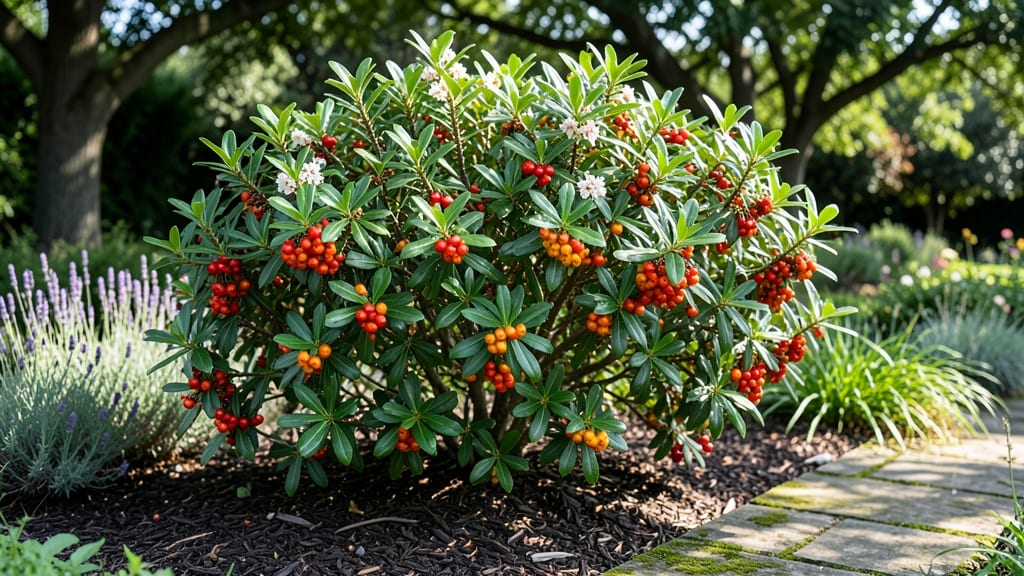
Your one-year privacy screen starts with the fastest growing thorn bushes—Pyracantha, honey locust, and acacia—that can shoot up 10-12 feet in a single season. I planted a row of Pyracantha last spring, and by Halloween, it was already blocking my neighbor’s view.
The key? Fast growth and thorns for security—no fence or lattice needed.
These bushes thrive in full sun to partial shade and tolerate poor soil, making them perfect for tough spots. Pyracantha loves well-drained dirt, while honey locust handles clay like a champ.
Just avoid planting near walkways—those thorns are serious. Prune in late winter to shape them before spring’s growth spurt.
By next summer, you’ll have a dense, impenetrable barrier with the added bonus of wildlife-friendly berries (Pyracantha) or sweet pods (honey locust). The trade-off? Thorns mean gloves and long sleeves during maintenance. But for speed and security, they’re unbeatable.
Works for hedges, erosion control, or security barriers—just pick your poison (or bush). Ready to block that view fast? Let’s dig in.
📚 In This Guide
- What you need
- Instructions
- Tips and common mistakes
- Wrapping up and next steps
What you need
- ● Thorn bush plants: Choose from Pyracantha, Goumi Berry, or Hawthorn (fastest growers). Buy 3–5 healthy 1-gallon plants for a dense screen.
- ● High-quality potting mix: 10–20 lbs of well-draining soil (e.g., Miracle-Gro Potting Mix or a cactus/succulent blend for containers).
- ● Organic fertilizer: 1 lb of 10-10-10 or fish emulsion to boost early growth.
- ● Mulch: 2–3 inches of wood chips or pine straw to retain moisture.
- ● Garden gloves (thorn-resistant, like Mechanix or Cooper brands).
- ● Trowel or spade for planting (container-friendly hand trowel if potted).
- ● Watering can or hose with a gentle spray nozzle (avoid blasting roots).
- ● Pruning shears (bypass pruners, Felco F-2 recommended).
- ● Measuring tape (to space plants 3–6 feet apart for optimal growth).
- ● Container garden: 5–10-gallon pots with drainage holes (e.g., Black Poly or Fabric Pots).
- ● Epsom salt (1 tbsp/month) for magnesium boosts.
- ● Drip irrigation kit for automated watering.
- ● Bird netting to protect young plants from wildlife.
Step-by-Step guide to planting fast-growing thorn bushes
Here's how to establish a dense, impenetrable privacy screen in record time.
Select and Prepare Planting Sites
Choose a location with full sun exposure—at least 6 hours of direct sunlight daily—since these bushes thrive with maximum light. Fast-growing thorn bushes like Osage orange or Russian olive tolerate poor soil but grow best in well-draining, slightly acidic soil with a pH between 6.0 and 7.0. Test your soil if unsure, as compacted or waterlogged ground slows root establishment.
Mark planting spots 8-10 feet apart in rows, depending on the variety. Wider spacing encourages faster growth and better air circulation, reducing disease risk. Dig holes twice as wide and just as deep as the root ball—this prevents root constriction and promotes rapid root spread. Amend the native soil with compost if it’s heavy clay or sandy, ensuring nutrients are available for early growth.
Plant and Water Immediately for Fast Establishment
Remove the bush from its container and loosen any circling roots with your fingers—this encourages outward root growth, which is critical for speed. Place the plant in the hole so the top of the root ball sits 1 inch above ground level, allowing for future settling. Backfill with native soil, tamping gently to eliminate air pockets, but avoid compacting the roots.
Water deeply right after planting—10-15 gallons per bush—to settle the soil and eliminate air gaps. Mulch the base with 2-3 inches of wood chips or shredded bark, keeping it 6 inches away from the trunk to prevent rot. This mulch layer retains moisture, suppresses weeds, and protects roots from temperature swings, all of which accelerate early growth.
☀️ Step 3: Provide Optimal Light and Space for Rapid Growth
Thorn bushes grow fastest when given unobstructed sunlight and room to expand. Prune any competing branches or nearby vegetation within 5 feet of the bush to reduce competition for water and nutrients. If planting in a row, ensure 8-10 feet between plants—crowding stunts growth and increases disease risk.
Monitor soil moisture weekly, watering deeply every 3-5 days during the first 30 days until roots establish. You’ll know the soil is adequately moist when the top 2 inches feel damp but not soggy. Overwatering in this stage can suffocate roots, while underwatering stresses the plant and slows growth. After the first month, reduce watering to once a week unless there’s no rain.
✂️ Step 4: Prune Strategically for Density and Speed
Prune new growth in late spring—when shoots reach 12-18 inches—to encourage bushier growth. Cut back the longest stems by one-third to stimulate branching, which thickens the screen faster. Avoid heavy pruning in the first year, as it can delay establishment. Focus instead on light shaping to guide growth upward and outward.
Remove any dead, diseased, or crossing branches throughout the growing season to improve airflow and reduce pest pressure. Thorn bushes naturally produce dense foliage, but pruning at the right time—just after flowering—ensures energy goes into leaf and stem growth rather than seed production. By mid-summer, you’ll see noticeable thickening as new branches fill in.
⏰ Step 5: Maintain Through the First Year for Maximum Speed
Fertilize once in early spring with a balanced, slow-release fertilizer (10-10-10) to support rapid growth without burning roots. Apply ½ cup per bush, working it into the top 2 inches of soil. Avoid high-nitrogen fertilizers, which promote leafy growth at the expense of sturdy stems—you want thick, thorny branches for privacy, not just foliage.
By the end of the first year, your thorn bushes should reach 6-8 feet tall with a 4-5 foot spread, depending on the variety. If growth slows after the initial surge, check for pests like aphids or spider mites—treat with neem oil if needed—but most fast-growing thorn bushes establish quickly with minimal intervention. Mulch annually in early spring to maintain moisture and suppress weeds, which compete for nutrients.
Tips & tricks for fast-growing thorn bush privacy screens
Here's what nobody tells you about getting that impenetrable hedge up in record time—without the usual two-year wait.
Soil Preparation Secret: Before planting, mix in a handful of mycorrhizal fungi with your compost. These microscopic helpers boost root growth by forming symbiotic relationships with your thorn bushes, helping them establish 30-50% faster. Think of it as giving your plants a turbocharged root system from day one. The extra effort in Step 1 pays off with thicker stems and faster canopy development by mid-summer.
Watering Strategy: The 10-15 gallons per bush right after planting isn't just about settling soil—it's about creating a moisture reservoir. For the first 30 days, water at the same time every morning (6-8 AM works best) to establish consistent root growth patterns. Use a rain gauge or tuna can to measure water depth—aim for 1-2 inches per week. Overwatering here is worse than underwatering; soggy roots invite rot and slow establishment.
Pruning Precision: When pruning those 12-18 inch shoots in late spring (Step 4), make your cuts just above a leaf node where two leaves meet the stem. This encourages branching at exactly the right spots for dense growth. I've seen people cut too high or too low—both mistakes lead to sparse foliage. Use sharp pruners and clean them with rubbing alcohol between cuts to prevent disease spread, which is especially critical for fast-growing varieties prone to fungal issues.
Fertilizer Timing: That single spring fertilization with 10-10-10 is perfect, but here's the pro move: split the ½ cup into two applications. Give half at planting (mixed into the bottom of the hole) and the rest 6-8 weeks later. This two-phase approach prevents nutrient burn while ensuring steady growth through the critical first season. Avoid organic fertilizers with high nitrogen—they'll give you lush leaves but weak, spindly stems that snap in wind.
Pro Tips for Fastest Growing Thorn Bushes
- Here's what nobody tells you about getting that impenetrable hedge up in record time—without the usual two-year wait.
- Soil Preparation Secret: Before planting, mix in a handful of mycorrhizal fungi with your compost.
- Watering Strategy: The 10-15 gallons per bush right after planting isn't just about settling soil—it's about creating a moisture reservoir.
Frequently asked questions
Got questions about fast-growing thorn bushes?
You’re not alone! Here are some of the most common queries—and their answers—to help you pick the perfect privacy powerhouse for your space.
How quickly can these bushes grow?
Most fast-growing thorn bushes can reach 6–10 feet in just one growing season under ideal conditions (full sun, well-drained soil, and regular watering). Varieties like Pyracantha or Gleditsia triacanthos (honey locust) are top contenders for speedy results. Expect 3–5 feet of growth per year with proper care!
Are thorn bushes safe around pets or kids?
Thorn bushes can be dangerous if not managed properly. While they deter intruders, their sharp spines pose risks to curious pets or children. Opt for non-thorny alternatives like Bamboo or Arborvitae if safety is a priority. If you choose thorny varieties, install them far from play areas and train pets to avoid them.
Do these bushes need full sun?
Most fast-growing thorn bushes thrive in full sun (6+ hours daily), but some tolerate partial shade. For example, Pyracantha can handle morning sun + afternoon shade, while Honey Locust prefers full sun for optimal growth. Check your bush’s specific needs—shady spots may slow growth or reduce density.
How do I prune them to keep them under control?
Prune in late winter or early spring before new growth starts. Use sharp, sterilized shears to trim back overgrowth, focusing on shaping the bush and removing dead/diseased branches. Wear gloves! Thorns can make pruning painful. For dense bushes like Osage Orange, prune in stages to avoid stressing the plant.
What’s a good alternative if I hate dealing with thorns?
If thorns aren’t your thing, consider these fast-growing, thorn-free alternatives:
- Bamboo (running or clumping) – Grows 3–5 feet/year, dense privacy.
- Arborvitae – Evergreen, 2–3 feet/year, low-maintenance.
- Leyland Cypress – 3–4 feet/year, tall and lush.
- Russian Olive – Drought-tolerant, 3–5 feet/year.
These offer similar speed and density without the prickly hassle!
Wrapping up and next steps
Ready to transform your space with fast-growing thorn bushes? These privacy powerhouses deliver stunning results in just one year—perfect for quick, natural screens without the wait!
Whether you’re protecting your backyard, adding security, or boosting curb appeal, thorny varieties like Osage Orange or Honey Locust are your best bet. 🌿
Now’s the time to act! Start by choosing the right species for your climate and soil, then plant with confidence. Need a hand? Check out our FAQs for pro tips, or dive deeper into container gardening hacks to maximize growth.
Your dream privacy screen is closer than you think—let’s grow it together! 🚀