
Shrubs
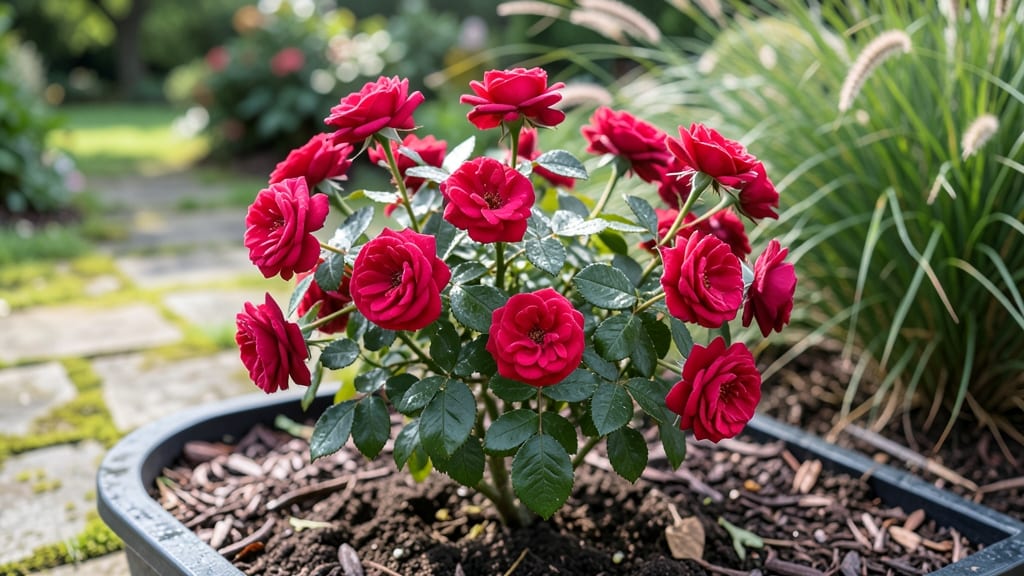
Nothing beats the joy of a dwarf rose bush that fills your garden with fragrance and color—without taking over your space. 🌹 I’ve grown these compact beauties for years, and they’ve become my go-to for borders, containers, and even window boxes.
The key is choosing the right variety, giving them proper care, and protecting them through seasons. These roses thrive in full sun to partial shade and need well-draining soil mixed with compost. Most varieties bloom repeatedly, rewarding you with fragrant flowers from spring through fall.
Pruning in late winter keeps them bushy and encourages fresh growth, while winter protection (like mulch or burlap wraps) ensures they bounce back every spring. You’ll end up with a neat, manageable bush that smells like a summer garden all year. The best part?
They’re perfect for small yards, patios, or even as gifts—because who doesn’t love a rose that’s easy to care for and always in bloom? Here’s how to pick the right spot, prep the soil, and keep them healthy through every season. Let’s get started!
📚 In This Guide
- What you need
- Instructions
- Tips and common mistakes
- Wrapping up and next steps
What you need
- ● Dwarf rose bush plant – Choose a disease-resistant variety (e.g., 'Playboy,' 'Bonica,' or 'Knock Out').
- ● Well-draining potting mix – 5–10 gallons (for containers) or enriched garden soil (for in-ground planting).
- ● Container (if not planting in-ground) – 15–20 gallon pot with drainage holes (for dwarf varieties).
- ● Balanced fertilizer (10-10-10 or 20-20-20) – 1–2 tbsp per plant, applied every 4–6 weeks during growing season.
- ● Pruning shears – Sharp, clean pair (sterilize with rubbing alcohol between cuts).
- ○ Mulch (optional but recommended) – 2–3 inches of organic mulch (e.g., shredded bark or straw) to retain moisture.
- ● Garden gloves – Protect your hands from thorns and soil.
- ● Watering can or hose with gentle spray nozzle – Dwarf roses prefer deep but infrequent watering.
- ○ Stakes or rose clips (optional) – For support if your variety is prone to flopping.
- ● Rose food or organic compost – Boosts blooms and fragrance (e.g., fish emulsion or worm castings).
- ● Pest control (neem oil or insecticidal soap) – For aphids, spider mites, or other common pests.
- ● Sunlight – At least 6–8 hours of full sun daily (more = more blooms!).
- ● Climate zone – Most dwarf roses thrive in USDA Zones 5–10 (check your variety’s hardiness).
- ● Drainage – Avoid soggy soil; ensure pots or garden beds have proper drainage.
Step-by-Step instructions for planting and caring for dwarf rose bushes
Here's how to grow fragrant, compact roses that thrive in small spaces—no green thumb required.
🌱 Step 1: Choose the Right Location for Sun and Drainage
Dwarf roses need 6-8 hours of direct sun daily—that's non-negotiable for healthy blooms. I always scout the spot in late afternoon when the sun is strongest; morning light alone won't cut it. Look for areas where the ground stays dry between waterings—dwarf roses hate soggy roots.
If your yard has heavy clay soil, amend it with 3-4 inches of compost mixed into the top 12 inches. The goal is loose, well-draining soil that lets water flow through instead of pooling. You'll see the difference when roots spread easily instead of sitting in waterlogged earth.
🪴 Step 2: Plant at the Correct Depth and Spacing
Dig a hole twice as wide as the root ball but only as deep as the container's bottom. Dwarf roses should sit 1-2 inches deeper than they were in the nursery pot—this encourages strong root growth without burying the graft union. Gently loosen the roots if they're circling the pot before placing the plant in the hole.
Space your 4 dwarf bushes 2-3 feet apart in a square pattern. This gives each plant room to grow while creating a lush, fragrant border. Backfill with native soil mixed with a handful of slow-release rose fertilizer to give them a nutrient boost right away. Water deeply to settle the soil around the roots.
☀️ Step 3: Water Deeply and Mulch to Retain Moisture
Water each bush with 1 gallon of water immediately after planting, then again in 3-4 days when the top inch of soil feels dry. Dwarf roses need consistent moisture but hate sitting in wet soil—think "damp sponge" not "swamp." You'll know you're doing it right when water runs out the drainage holes but doesn't pool on the surface.
Spread 2-3 inches of mulch around each plant, keeping it 2 inches away from the stem to prevent rot. I use shredded bark or pine straw because it breaks down slowly and improves soil as it decomposes. This layer locks in moisture and keeps roots cool during summer heatwaves.
✂️ Step 4: Prune for Shape and Encourage More Blooms
Cut back any dead or damaged stems to just above a leaf node using clean, sharp pruners. For shaping, remove about ⅓ of the oldest stems at the base to open up the center and improve airflow. This prevents fungal diseases that thrive in crowded, damp foliage.
After the first flush of blooms fades, trim back each stem by ½ inch above a set of five leaves. This encourages bushier growth and more flowers. I always sterilize my pruners with rubbing alcohol between cuts to prevent spreading disease. You'll see new buds forming within 4-6 weeks of this pruning.
🌿 Step 5: Feed and Protect for Year-Round Fragrance
Apply ½ cup of balanced rose fertilizer every 6 weeks during the growing season. I switch to a high-phosphorus formula in late summer to encourage fall blooms. Water the soil before applying fertilizer to prevent burning delicate roots.
In fall, reduce watering and stop fertilizing after 6 weeks to let the plant prepare for dormancy. Wrap young canes with burlap strips if your winters dip below 10°F to protect tender growth. With proper care, your dwarf roses will reward you with continuous blooms from spring through fall.
Tips & tricks for perfect dwarf rose bushes
Between us, these little powerhouses pack a floral punch—here's how to keep them thriving without the fuss.
Sunlight Strategy: The 6-8 hours of direct sun in Step 1 is non-negotiable, but here's the secret: morning sun is better than afternoon for preventing leaf scorch. I plant mine where they get morning sunlight and afternoon shade if possible—this keeps the foliage lush while still fueling those fragrant blooms.
Planting Precision: When you're planting at the correct depth in Step 2, here's what I learned the hard way: the 1-2 inches deeper rule applies to the root flare (where roots meet the stem), not the top of the root ball. Too deep and you'll smother the plant; too shallow and it'll struggle to anchor. Gently tease out circling roots with your fingers before planting.
Watering Wisdom: That 1 gallon immediately after planting in Step 3 is just the beginning. The real key is consistency—water when the top inch feels dry, but never let them sit in soggy soil. I use a moisture meter to check, and I've found dwarf roses actually prefer slightly drier conditions than their larger cousins. Think "moist but not wet."
Pruning Payoff: The 4-6 week wait after pruning in Step 4 is worth it, but here's how to speed things up: trim on a cloudy day or in early morning when temperatures are cooler. This reduces stress on the plant, and you'll see those new buds forming faster. I also make it a habit to remove any spent blooms immediately—they'll just turn into seed pods instead of new flowers.
Pro Tips for Dwarf Rose Bush
- Between us, these little powerhouses pack a floral punch—here's how to keep them thriving without the fuss.
- Sunlight Strategy: The 6-8 hours of direct sun in Step 1 is non-negotiable, but here's the secret: morning sun is better than afternoon for preventing leaf scorch.
- Planting Precision: When you're planting at the correct depth in Step 2, here's what I learned the hard way: the 1-2 inches deeper rule applies to the root flare (where roots meet the stem), not the top of the root ball.
Frequently asked questions
Got questions about growing and caring for dwarf rose bushes?
Here are some of the most common ones—plus quick, practical answers to help you keep your compact roses thriving year-round.
How often should I water my dwarf rose bush?
Water your dwarf rose bush deeply 1-2 times per week, depending on your climate. Aim for about 1 inch of water per week, ensuring the soil stays evenly moist (not soggy). Early morning watering helps prevent fungal diseases. Pro tip: Mulch around the base to retain moisture and regulate soil temperature!
When is the best time to prune a dwarf rose bush?
Prune your dwarf rose bush late winter or early spring (just before new growth starts) to shape it and encourage blooms. Light trimming after each flowering flush keeps it tidy. Avoid heavy pruning in fall—it can stress the plant before winter. Fun fact: Deadhead spent blooms to prolong flowering!
How do I keep pests away from my dwarf rose bush?
Pests like aphids, spider mites, and Japanese beetles love dwarf roses! Prevent them with neem oil sprays or insecticidal soap. For severe infestations, introduce beneficial insects like ladybugs. Quick fix: Blast off aphids with a strong stream of water.
Can I grow a dwarf rose bush in a container?
Dwarf roses thrive in containers with well-draining soil and a pot at least 12-15 inches deep. Choose a container with drainage holes and place it in full sun. Repot every 2-3 years to refresh the soil. Bonus: Container roses are perfect for patios or balconies!
Do dwarf rose bushes need winter protection?
Most dwarf roses are hardy, but young plants or tender varieties benefit from mulch (2-3 inches) around the base. In extreme cold, wrap the bush with burlap or use a frost cloth. Avoid heavy snow buildup—gently brush it off to prevent damage. Winter tip: Prune lightly in late winter for a fresh start!
Still stumped?
Drop your question in the comments—we’re happy to help your dwarf rose bush bloom beautifully!
Wrapping up and next steps
Growing a dwarf rose bush is a rewarding way to bring beauty, fragrance, and charm to your garden—no matter the space! With the right soil, sunlight, and care, these compact bloomers thrive year after year, offering stunning flowers and intoxicating scents.
Whether you're a beginner or a seasoned gardener, their low-maintenance nature makes them the perfect addition to patios, balconies, or small yards.
Ready to turn your green thumb into a rose-tastic success? Start by picking your favorite variety, grab your gardening tools, and get planting! 🌸 For extra inspiration, explore our rose care tips or share your progress with fellow plant lovers—happy gardening! 🌱