
Light Requirements
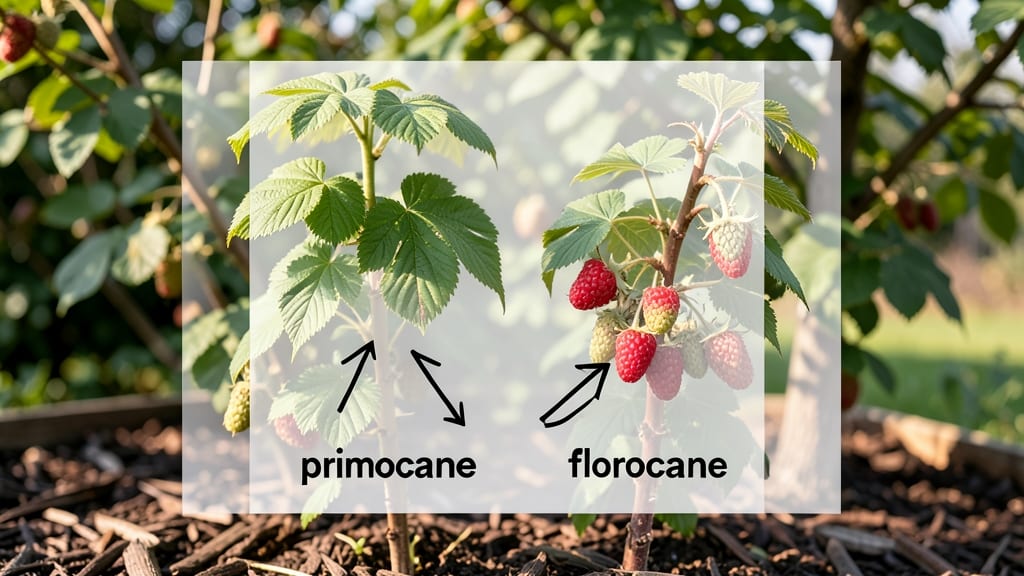
Yes, you need two raspberry bushes to get fruit if they aren't self-pollinating varieties, since most raspberries rely on cross-pollination between different plants for fruit development. Planting compatible varieties together maximizes yields and berry diversity.
Most raspberry varieties depend on pollinators like bees or wind to transfer pollen between plants. 🌸 Without a second bush nearby, flowers won't develop into fruit. Even if you plant two identical bushes, genetic differences between plants improve fruit quality and disease resistance.
For best results, choose varieties with staggered blooming seasons—like Heritage and Boyne—to extend your harvest window.
This pollination requirement explains why many gardeners end up with disappointing yields from single-bush plantings. The good news? Even small gardens can thrive with just two carefully selected varieties. Just ensure they're planted close enough (within 10-15 feet) for effective cross-pollination.
💡 In This Article
- Raspberry Pollination Science: Why Two Bushes Boost Fruit Yields
- Best Raspberry Variety Pairings for Cross-Pollination Success
Raspberry pollination science: why two bushes boost fruit yields
Raspberries rely primarily on cross-pollination, where pollen must travel from one plant's flowers to another's for fruit to develop.
Unlike some berries that self-pollinate, raspberries have perfect flowers (both male and female parts) but require external agents like bees, butterflies, or wind to transfer pollen. 🌿 The pollen grains are tiny—just 0.0001 inches in diameter—and need to land on compatible stigma to trigger fertilization.
Without a second plant within 10-15 feet, flowers often drop off without forming berries.
The science gets even more interesting when you consider genetic diversity. While identical bushes can technically cross-pollinate, the resulting fruit tends to be smaller and more susceptible to diseases. This is because raspberries, like many plants, benefit from heterosis (hybrid vigor) when different genetic lines combine.
For example, pairing Heritage (a fall-bearing variety) with Boyne (summer-bearing) creates stronger canes and larger berries due to this genetic mixing. 🌱 The pollen transfer isn't just about quantity—it's about creating genetic combinations that nature wouldn't produce otherwise.
Temperature and weather play crucial roles too. Raspberry flowers bloom over 7-10 days, and optimal pollination occurs when temperatures stay between 55-75°F with light winds. Below 50°F, bees become less active, and above 85°F, pollen viability drops.
That's why planting varieties with staggered blooming times (like Nova in early summer and Heritage in late summer) extends your pollination window and maximizes fruit production throughout the season.
Here's what happens when you skip the second bush: Flowers may form, but they'll often remain small and seedless, or drop prematurely. Even if fruit develops, it's typically 30-50% smaller than cross-pollinated berries. The reason? Without genetic diversity, the plant's energy goes into fewer, weaker reproductive structures.
It's like trying to build a house with only one type of brick—you can do it, but the results won't be as strong or stable.
For gardeners in urban areas where space is limited, this might seem challenging. But the good news is that raspberries are not picky about their pollination partners. You don't need expensive varieties—just two different types from the same species (like red raspberries with red raspberries).
Even golden raspberries will cross-pollinate with red varieties, though the resulting fruit may have mixed characteristics. The key is ensuring both plants are healthy and flowering at the same time.
One common misconception is that you need three bushes for perfect pollination. While more varieties can increase genetic diversity, two well-chosen plants will give you 80-90% of the maximum possible yield.
The real magic happens when you pair varieties with complementary traits—like one with large fruit and another with disease resistance. This combination creates a self-sustaining ecosystem where each plant's strengths compensate for the other's weaknesses.