
Light Requirements
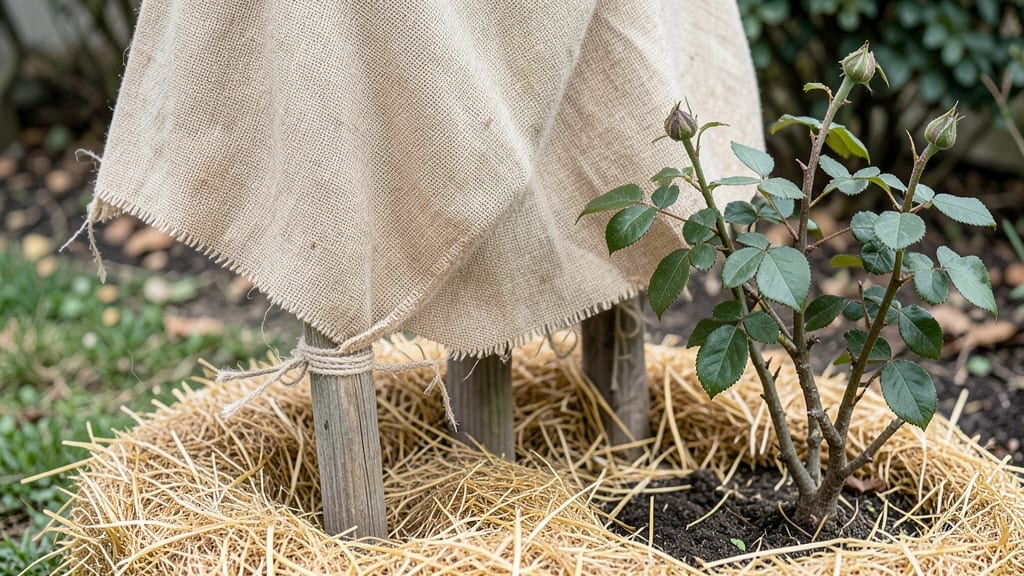
Do rose bushes need to be covered in winter? Yes, covering them protects them from freezing temperatures, frost damage, and harsh winds, especially in colder climates. Mulching and wrapping extend their lifespan and promote healthier spring blooms.
Winter care isn't just about survival—it's about setting your roses up for a stronger season ahead. 🌿 Without protection, freezing temperatures can cause irreversible damage to stems and buds, while strong winds dehydrate the plant.
I've seen firsthand how a simple layer of mulch around the base and a lightweight cover over the canes can make all the difference between a bush that barely recovers and one that bursts with blooms come spring.
What many gardeners overlook is that the timing matters just as much as the method. Covering too early can trap moisture and invite pests, while waiting too long risks exposing tender growth to sudden cold snaps.
The key is to act right before your first frost, using breathable materials like burlap or frost cloth that allow air circulation while blocking the worst of the elements.
💡 In This Article
- How Cold Weather Damages Rose Bushes
- Step-by-Step Guide to Winterizing Rose Bushes
How cold weather damages rose bushes
Cold weather attacks rose bushes at the cellular level. When temperatures drop below 25°F, the water inside plant cells begins to freeze and expand, causing cell walls to rupture—a process called frost injury. This damage is irreversible and leads to brown, mushy stems and buds that won't recover.
The most vulnerable parts are the canes (stems) and buds, which contain the plant's energy reserves for spring growth. 🌡️ Unlike hardy perennials, roses have thinner bark and less insulating tissue, making them particularly susceptible.
The damage doesn't stop there—freezing ground also disrupts the root system. Soil temperatures below 32°F can kill fine root hairs responsible for nutrient absorption, while prolonged cold weakens the plant's ability to draw moisture. In extreme cases, roots may become waterlogged as ice forms around them, cutting off oxygen.
This is why mulching isn't just about protecting the top growth: a 4-6 inch layer of organic mulch (like straw or shredded leaves) acts as insulation, keeping soil temperatures 5-10°F warmer than ambient air.
Wind exacerbates the problem by accelerating moisture loss through transpiration, even when temperatures are above freezing. The constant airflow dries out buds and canes, making them more vulnerable to frost.
This is why windbreaks or lightweight covers (like frost cloth) are so effective—they reduce air movement while allowing light and air circulation. 🌬️ What most gardeners don't realize is that roses lose moisture through their leaves even in winter, so any protection that reduces wind exposure helps maintain hydration.
Different rose varieties have varying cold hardiness levels. Hybrid teas and floribundas typically tolerate down to 15°F with protection, while rugged varieties like Rugosa roses can survive -30°F without covers. The key is understanding your specific variety's threshold and adjusting your winterizing strategy accordingly.
For example, a Knock Out® rose (zone 4-9) needs less insulation than a delicate David Austin English rose (zone 5-8).
Even when temperatures don't drop to lethal levels, repeated freeze-thaw cycles can cause significant stress. Each cycle forces water to expand and contract within plant tissues, creating microscopic cracks that weaken the plant's structure. This is why consistent winter protection—rather than sporadic covering—is crucial for long-term rose health.
The goal is to maintain temperatures above 20°F for most varieties, which is where mulch and covers become your best defense.
One often-overlooked damage mechanism is called "sunscald," which occurs when winter sun warms southern-facing canes while temperatures remain cold. This temperature fluctuation causes cells to expand and contract rapidly, leading to cracked bark and increased susceptibility to disease.
A lightweight cover that allows sunlight while blocking wind prevents this delicate balance from being disrupted.