
Light Requirements
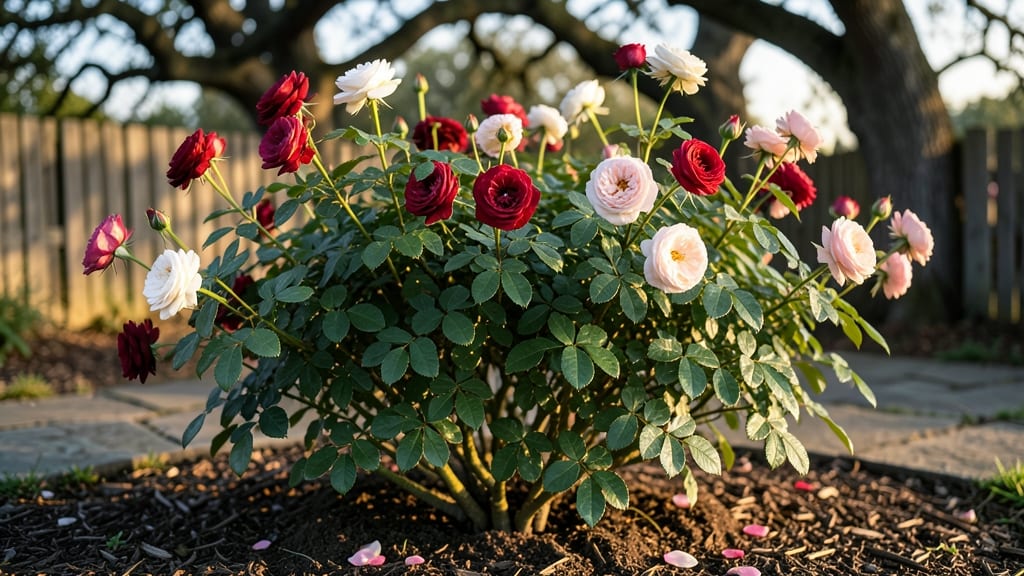
Do rose bushes need a lot of sunlight? They thrive with at least 6 hours of sunlight daily—but how much they truly need depends on the variety, your climate, and what "healthy" looks like to your 🌹.
If you’ve ever wondered why your rose bushes aren’t blooming as expected, sunlight might be the hidden culprit—or savior. While roses are often called "sun-loving" plants, the truth is more nuanced than a simple "yes" or "no" answer.
Most roses—especially hybrid teas and floribundas—crave full sun (6+ hours) for vibrant blooms, but some varieties, like climbers or shrub roses, can handle partial shade (4-6 hours) without stress. Too little light leads to weak stems and sparse flowers, while too much can scorch leaves in hot climates.
Below, I’ll break down exactly how much sunlight your roses need, how to spot the signs of over- or under-exposure, and simple ways to adjust their environment for healthier blooms all season long.

How much sunlight do rose bushes actually need for optimal growth?
Roses are often called sun-worshippers, but the truth is more complicated than simply throwing them into the brightest spot in your yard. While most rose varieties thrive with full sun exposure, some can actually suffer from too much direct light—especially in hot climates.
The key lies in understanding specific rose types and their unique needs, as well as how to measure sunlight accurately in your garden.
For example, hybrid tea roses—the classic cut-flower varieties—typically demand 6 to 8 hours of direct sunlight daily to produce their showstopping blooms. Meanwhile, climbing roses might tolerate partial shade (4 to 6 hours of sun) in hotter regions, where afternoon shade helps prevent leaf scorch.
Even shrub roses can adapt to morning sun with afternoon shade, especially in urban gardens with limited space.
But here’s the catch: sunlight needs vary by season. In spring and fall, roses can handle more direct light, while summer’s intense rays might require afternoon shade. Without proper adjustments, you could end up with bleached leaves, stunted growth, or—worse—no blooms at all.
Let’s break down the exact sunlight requirements by rose type and how to measure exposure like a pro.
Measuring sunlight accurately is easier than you think. Full sun means 6+ hours of direct, unobstructed sunlight per day, while partial shade refers to 3–6 hours of sun with filtered light the rest of the time.
To test your garden spot, use a sunlight tracker (or even a white plate left in the sun)—if it’s dry by midday, you’ve got full sun. If it stays damp, you’re in the shade.
One common misconception is that more sunlight always equals better blooms. In reality, hybrid teas may produce 30% fewer blooms if they receive less than 6 hours of sun, but climbing roses can actually overheat and drop buds with more than 8 hours in peak summer.
The secret? Balancing light with airflow—roses need both to prevent fungal diseases like black spot.
Seasonal shifts matter too. In spring and fall, roses can handle full sun from dawn to dusk
Signs your rose bushes are getting too much or too little sunlight
Roses thrive in full sun, but too much or too little sunlight can drastically affect their health. Over-exposure causes leaves to bleach or develop crispy edges, while under-exposure leads to weak stems and sparse blooms.
Even regional climate plays a role—high-altitude gardens need more sun, while tropical areas may require afternoon shade.
Start by observing your rose bushes for visual cues. Sunburned leaves appear white or yellow with brown patches, while shade-stressed plants grow leggy with fewer buds. Morning sunlight is gentler than harsh afternoon rays, so positioning matters. Let’s break down the key indicators to diagnose your roses’ sunlight needs.
Too Much Sunlight
- Bleached leaves (white/yellow patches)
- Crispy edges on foliage
- Sunburned spots (brown, papery areas)
- Reduced blooms due to stress
- Provides energy for vibrant blooms
- Prevents fungal issues (dries foliage faster)
- Encourages stronger stems
- Ideal for most rose varieties
Solution: Use light shade cloth (30-50%) or plant near structures for afternoon relief.
If your roses show weak stems or fewer blooms, they’re likely not getting enough sun. Under-exposed roses may also develop pale green leaves and long, spindly growth.
In high-altitude gardens (USDA Zones 7+), aim for 8+ hours of sun, while tropical climates can benefit from morning sun + afternoon shade.
Create a diagnostic checklist to assess your roses’ sunlight health. Check for leaf discoloration, stem strength, and bloom frequency. Adjust their location gradually—moving them 2-3 feet closer to or farther from direct sun can make a difference. Mulch also helps regulate soil temperature in extreme light conditions.
For urban gardeners with limited space, consider dwarf rose varieties like ‘The Fairy’ or ‘Playboy,’ which tolerate partial shade better than hybrid teas. Prune leggy growth to encourage bushier, sun-seeking habits. Even a few hours of morning sun can improve their resilience if full sun isn’t an option.
Remember, roses are adaptable—gradual adjustments work best. If you notice improved leaf color or more buds after changes, you’re on the right track. Monitor their progress weekly, especially during seasonal transitions like spring or fall when sunlight angles shift dramatically.