
Shrubs
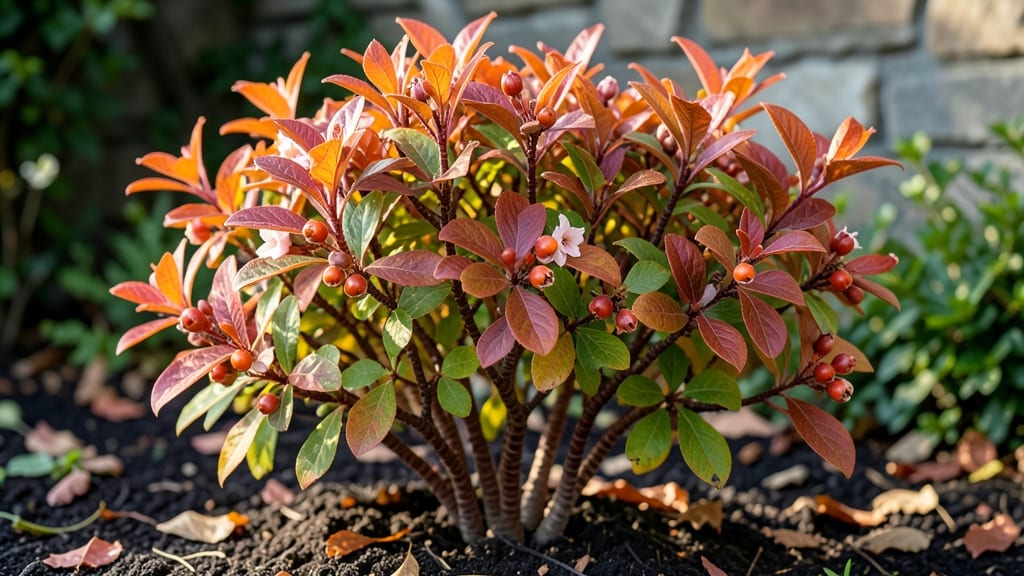
Yes, the burning bushes do have berries—these shrubs bear clusters of bright red or orange fruit in late fall that remain through winter, serving as vital nourishment for birds and wildlife.
These striking berries aren't just ornamental—they're a survival tool for wildlife during harsh winters. 🌿 The red varieties (like Euonymus alatus) contrast sharply with the orange types (such as 'Compactus'), but both provide essential energy for creatures like cardinals, cedar waxwings, and even deer.
What's fascinating is how these berries split open in spring to reveal bright pink seeds, a natural spectacle that makes burning bushes a standout garden feature.
While they're ecologically valuable, it's worth noting that burning bushes can become invasive in some regions. Native alternatives like winterberry holly or American beautyberry offer similar wildlife benefits without the same ecological risks.
If you're planting for birds, consider checking your local climate zone to choose the best berry-producing shrub for your area.
💡 In This Article
- Identifying Burning Bush Berries by Color and Variety
- Wildlife Benefits of Burning Bush Berries
Identifying burning bush berries by color and variety
The most common burning bush variety, Euonymus alatus, produces bright red berries that form in dense clusters along its arching branches. These berries typically measure about 0.5 inches (1.25 cm) in diameter and develop a waxy sheen as they mature in late fall.
What makes them visually striking is their four-part capsule structure, which splits open dramatically in spring to reveal pink, parachute-like seeds that catch the wind.
In contrast, the 'Compactus' variety (also called dwarf burning bush) yields orange-red berries that are slightly smaller, around 0.3-0.4 inches (0.75-1 cm) in diameter.
The color difference comes from variations in anthocyanin pigments—red varieties have higher concentrations of these compounds, while orange types contain more carotenoids. 🌈 This pigment variation isn't just cosmetic; it can influence how wildlife perceives and consumes the berries, with red often being more visible against snow.
Both berry types remain on the plant through winter, providing visual interest when most shrubs are dormant. The berries start as green buds in summer, gradually turning color as temperatures drop below 50°F (10°C).
What's particularly fascinating is how the berries' color deepens after frost, creating a more vibrant display—this happens because cold temperatures enhance pigment stability in the fruit.
Size isn't the only distinguishing factor—berry placement varies by variety too. The standard Euonymus alatus produces berries along its distinctive corky-winged stems, while 'Compactus' bears them more uniformly along its dense, rounded branches.
This structural difference affects how wildlife accesses the fruit, with birds often preferring the more exposed clusters of the standard variety.
If you're trying to identify a burning bush, look for these key characteristics:
- Berry color: Pure red (standard) or orange-red (Compactus)
- Berry size: 0.5" (standard) vs 0.3-0.4" (Compactus)
- Stem structure: Winged stems vs smooth, dense branches
- Seasonal timing: Berries appear in October-November
The berries' persistence through winter makes them a reliable indicator—if you see these bright clusters in December, you're almost certainly looking at a burning bush. 🌿 The only exception would be the rare 'Emerald Gaiety' variety, which produces variegated foliage but similar red berries.