
Pruning
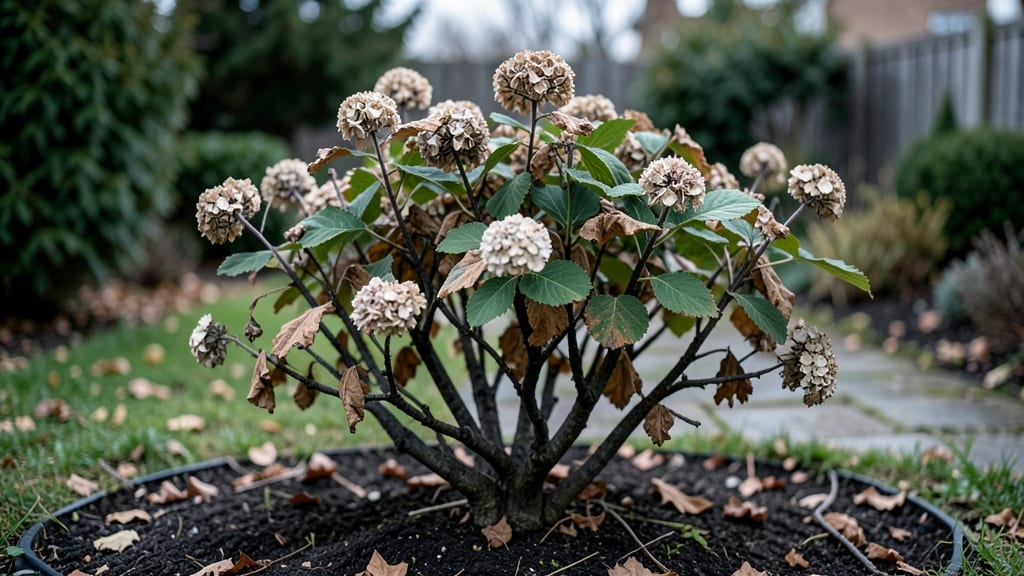
Your hydrangea bush isn't dead—it's just waiting for the right wake-up call. ✂️ I've revived more "dead" hydrangeas than I can count, and the secret lies in three precise cuts that reveal hidden life beneath the woody stems.
Before you reach for the pruners, though, there's one critical step: confirming whether those branches are truly dead or just dormant.
The first clue? Scratch the bark—if it's green underneath, your bush is alive and ready to bounce back. Overwatering, winter damage, and fungal issues are the usual culprits, but the fix is simpler than you'd think: strategic pruning to encourage fresh growth.
I'll show you exactly where to cut and when, so you're not left with a sad, bare shrub by summer.
By late spring, you'll see new shoots pushing through with surprising vigor. The blooms return bigger and fuller than ever, and the bush takes on that lush, rounded shape you fell in love with. This method works for both bigleaf and panicle hydrangeas, no matter how woody they've become.
For best results, time your cuts to early spring before new growth appears. The key is patience—what looks dead now will be a showstopper by midsummer. Let's bring your hydrangea back to life, step by step.
Root Causes Of Wilted Hydrangeas
Hydrangeas are resilient plants, but when they turn crispy, brown, or completely lifeless, it’s usually due to one (or more) of these common but fixable issues. Understanding the science behind each problem helps you diagnose—and revive—your woody beauty before it’s too late.
Let’s dig into the real reasons your hydrangea might be throwing in the towel.
Hydrangeas thrive in moist but well-draining soil—but too much water (or none at all) can suffocate their roots. Here’s why:
- Root Rot: Hydrangeas hate soggy feet. Phytophthora and Pythium fungi flourish in waterlogged soil, clogging root cells and cutting off oxygen. Without oxygen, roots suffocate and die, starving the plant above.
- Nutrient Leaching: Overwatering flushes out essential nutrients like nitrogen and potassium, leaving your hydrangea malnourished and weak.
- Compacted Soil: Heavy clay or mulch piled against the stem can trap moisture, creating an anaerobic (oxygen-free) zone where roots rot.
💡 Pro Tip: Test your soil’s drainage by digging a 6-inch hole, filling it with water, and timing how long it takes to drain. If it’s still soggy after 24 hours, amend with perlite, sand, or compost to improve airflow.
While hydrangeas love moisture, drought stress is a silent killer—especially in hot, dry climates. Here’s the science:
- Plasmolysis: When soil dries out, plant cells lose water faster than they can absorb it. This causes cell walls to shrink away from their membranes, disrupting nutrient transport and photosynthesis.
- Wilting & Leaf Scorch: Leaves curl and brown as the plant prioritizes water to roots, leaving foliage to crisp in the heat.
- Root Death: Fine root hairs (critical for water absorption) die off within 2–3 days of drought, leaving the plant unable to recover.
🎯 Fix It: Water deeply 1–2 inches per week (more in extreme heat) and mulch with 3–4 inches of organic mulch to retain moisture. Morning watering reduces evaporation loss.
Hydrangeas are hardy but not frost-proof. Sudden freezes, windburn, or late-season cold snaps can kill buds, stems, or even the entire plant. The mechanics:
- Ice Crystal Formation: Water inside plant cells expands when frozen, rupturing cell walls and causing brown, mushy stems.
- Desiccation: Winter winds dry out leaves and buds faster than they can recover, leading to brown, papery foliage.
- Dormancy Disruption: Early thaws followed by hard freezes trick hydrangeas into growing too soon, then killing tender new shoots.
✨ Prevention:
- Mulch heavily (6+ inches) with straw or leaves before the first frost.
- Wrap young plants in burlap or frost cloth in extreme cold (<10°F).
- Avoid pruning in late fall—wait until early spring to prevent exposing tender growth.
Pathogens like botrytis blight or bacterial leaf spot can turn hydrangeas into a sad, crunchy mess. Here’s how they strike:
- Botrytis (Gray Mold): Thrives in humid, stagnant air (e.g., overcrowded plants or poor airflow). It feeds on dead tissue but spreads to healthy stems, causing brown, fuzzy lesions.
- Bacterial Wilts: Ralstonia or Pseudomonas bacteria clog xylem vessels (the plant’s water pipes), turning leaves yellow and wilting them permanently.
- Powdery Mildew: A fungal film blocks sunlight, starving leaves. It loves shady, damp conditions—common in hydrangeas planted in low-light areas.
🔥 Treatment:
- Prune infected stems 6+ inches below the damage and sterilize tools with rubbing alcohol.
- Apply copper fungicide or neem oil every 7–10 days during wet seasons.
- Space plants 3–5 feet apart for airflow and avoid overhead watering.
Hydrangeas are heavy feeders, and poor soil can starve them into submission. Common deficiencies:
| Symptom | Likely Cause | Science Behind It |
|---|---|---|
| Yellow leaves (new growth) | Nitrogen deficiency | Nitrogen is critical for chlorophyll—without it, leaves can’t photosynthesize, turning pale yellow. |
| Purple stems/leaves | Phosphorus deficiency | Phosphorus fuels energy transfer in cells. A lack of it causes anthocyanin buildup (purple pigment) as a stress signal. |
| Brown leaf edges | Potassium deficiency | Potassium regulates water and nutrient transport. Without it, cells leak water, causing crispy edges. |
| Stunted growth | Iron/chlorosis (alkaline soil) | Alkaline soil (pH >7) locks out iron, preventing chlorophyll production—even if fertilizer is present. |
🌡️ Fix It:
- Test soil pH (ideal: 5.2–6.2) and amend with sulfur (to lower pH) or lime (to raise it).
- Fertilize in early spring with a balanced 10-10-10 or hydrangea-specific food.
- Add compost or worm castings to improve soil structure and microbial life.
Most "dead" hydrangeas aren’t beyond saving—they’re just sending SOS signals. Now that you know the science, you can diagnose, treat, and revive your bush before it’s too late. Next up: How to Prune for a Comeback
Revive Your Dying Hydrangeas Now
A wilting or dead hydrangea bush doesn’t mean the end of your garden dreams—it just needs the right care. Below, we break down common causes of a struggling hydrangea and practical fixes to bring it back to life, plus prevention tips to keep it thriving.
Whether your plant is suffering from poor soil, overwatering, or pests, these solutions will help you nurse it back to health.
---
Signs: Yellowing leaves, mushy stems, or roots that smell rotten.
How to Fix It: 🔥 Step 1: Check the Soil - Stick your finger 2 inches deep into the soil. If it’s soggy, your hydrangea is getting too much water. - Test drainage: Dig a small hole, fill it with water, and time how long it takes to drain. If it takes more than 30 minutes, your soil is too compacted.
🍳 Step 2: Adjust Watering Habits - Hydrangeas prefer consistently moist (not soggy) soil. Water deeply 1-2 times per week, depending on rainfall. - Rule of thumb: Water when the top 1-2 inches of soil feel dry.
👨🍳 Step 3: Improve Drainage - Mix compost or perlite into the soil to loosen it up. - If planting in a pot, ensure it has drainage holes and use a well-draining potting mix.
💡 Prevention Tip: - Mulch around the base (but keep it 2-3 inches away from the stem) to retain moisture without suffocating roots.
---
Signs: Crispy, brown leaf edges, wilted stems, or soil pulling away from the pot.
How to Fix It: 🥘 Step 1: Water Deeply & Slowly - Give your hydrangea a slow, deep drink (about 1-2 gallons per watering) until water runs out the drainage holes. - Morning watering is best—it reduces evaporation and fungal risks.
🔪 Step 2: Trim Damaged Foliage - Snip off brown, crispy leaves to redirect energy to healthy growth. - Avoid cutting back woody stems unless they’re completely dead.
⏰ Step 3: Monitor & Adjust - Hydrangeas in full sun may need daily watering in extreme heat. - Group plants together to create a microclimate that retains moisture.
💡 Prevention Tip: - Install a drip irrigation system or use self-watering pots for consistent moisture.
---
Signs: Scorched leaves, blackened stems, or sudden wilting despite proper watering.
How to Fix It: 🌡️ Step 1: Provide Shade (If Needed) - If leaves are yellowing or crisping, your hydrangea may be sunburned. - Move potted hydrangeas to a shadier spot (morning sun + afternoon shade works well). - For in-ground plants, install a shade cloth (30-50%) during peak summer.
❄️ Step 2: Protect from Frost - If temperatures drop below 20°F (-6°C), wrap the bush in burlap or cover with mulch. - Avoid pruning in late fall—wait until early spring to prevent cold damage.
💡 Prevention Tip: - Choose the right variety—some hydrangeas (like Oakleaf or Panicle) tolerate heat better than others.
---
Signs: Holes in leaves, sticky residue (aphids), black spots (fungus), or sawdust-like frass (borers).
How to Fix It: 🐞 Step 1: Identify the Problem - Aphids/Spider Mites? Wipe leaves with soapy water or spray with neem oil. - Powdery Mildew? Remove infected leaves and apply fungicide (baking soda spray works for mild cases). - Borers? Prune infested stems below the damage and treat with beneficial nematodes.
🧼 Step 2: Natural Remedies - Neem oil spray (1 tsp neem oil + 1 tsp mild soap + 1 quart water) every 7-10 days. - Companion planting with marigolds or lavender deters pests naturally.
💡 Prevention Tip: - Space plants properly (3-5 feet apart) for better airflow, reducing humidity-related diseases.
---
Signs: Pale yellow leaves (iron deficiency), stunted growth, or blooms that stay green (high pH).
How to Fix It: 📊 Step 1: Test Your Soil - Use a DIY soil test kit (available at garden centers) to check pH and nutrient levels. - Ideal pH for hydrangeas: 5.2–6.0 (blue/purple blooms) or 6.0–7.0 (pink/white blooms).
💪 Step 2: Amend the Soil - For acidic soil (blue flowers): Mix in sulfur or peat moss. - For alkaline soil (pink flowers): Add lime or wood ash. - Fertilize in spring with a balanced 10-10-10 or hydrangea-specific fertilizer.
🍎 Step 3: Feed Regularly - Monthly feeding (April–September) with compost tea or fish emulsion keeps nutrients steady.
💡 Prevention Tip: - Top-dress with compost every spring to replenish nutrients naturally.
--- Final Thought: Most "dead" hydrangeas are salvageable with the right care! Start with water, soil, and sunlight adjustments, then monitor for pests or diseases. With patience, your bush will bounce back—and next season, you’ll have lush blooms all year. 🌸✨
Frequently asked questions
How can I tell if my hydrangea is truly dead or just dormant?
Scratch the bark on a few stems—if you see green underneath, your bush is alive! For woody stems, make a small cut: if it's moist and green inside, it's still viable. Even if most stems look dead, roots may still be alive. Wait until late winter/early spring before giving up.
When is the best time to prune a "dead" hydrangea bush?
Prune in early spring (just as new growth begins) or late winter (before buds swell). Never prune in fall—this exposes tender growth to winter damage. For severely dead bushes, cut back to 6-12 inches from the ground to encourage fresh growth from the base.
What should I do if my hydrangea's roots look rotten?
Trim away any black, mushy roots with clean pruners, then replant in fresh, well-draining soil. For container plants, repot completely. Add compost or perlite to improve drainage. Water lightly until new growth appears—overwatering is the #1 cause of root rot in hydrangeas.
Can I save a hydrangea that's been dead for over a year?
Possibly! Dig up the root system and inspect for any live roots (they'll be white or light tan). If you find any, replant immediately in fresh soil. For completely dead bushes, consider propagating from healthy cuttings or replacing it—some hydrangeas simply outgrow their space and decline naturally.
How do I prevent my hydrangea from dying again next year?
Focus on three key things: proper drainage (test by digging a hole and filling with water—should drain in <30 minutes), balanced watering (1-2 inches per week), and seasonal mulching (3-4 inches of organic mulch in spring/fall). Also, fertilize in early spring with a hydrangea-specific formula.