
Pruning
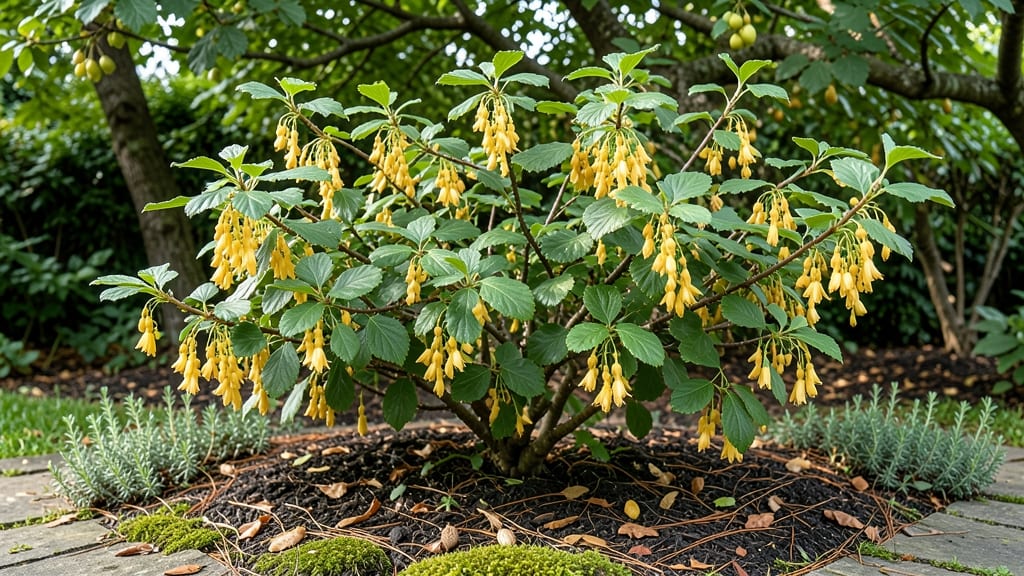
Growing currant bushes in Colorado’s high-altitude climate means hardy harvests—but pruning makes all the difference. 🌿 I’ve spent years perfecting the technique here, where thin mountain air and sudden hailstorms test even the toughest plants.
The right cuts in late winter keep bushes productive, disease-resistant, and ready for Colorado’s short but intense growing season.
Start with red or black currant varieties like ‘Consort’ or ‘Ben Connan’—both handle our 5,000–8,000-foot elevations like champs. Plant in full sun to partial shade, with well-draining soil amended with compost. Colorado’s dry winds demand deep watering (1–2 inches per week) and mulch to retain moisture.
Prune in February or March before buds swell, cutting out dead wood and thinning crowded stems to improve airflow.
What you’ll get is a burst of glossy leaves by spring, followed by clusters of sweet-sour berries that wildlife won’t ignore—so protect them with netting if squirrels or birds are bold.
The bushes stay compact, disease-resistant, and productive for decades with proper care. Even in Colorado’s unpredictable climate, this method works.
For extra resilience, watch for white pine blister rust (common in our region) and remove infected branches immediately. Colorado State University Extension offers localized guides—bookmark their resources for seasonal adjustments. Your currant bushes will reward you with juicy harvests from July through August, no matter the altitude.
📚 In This Guide
- What you need
- Instructions
- Tips and common mistakes
- Wrapping up and next steps
What you need
- ● Pruning shears: Bypass pruners (sharp, clean blades) for clean cuts—1 pair (e.g., Felco or Corona).
- ● Loppers: For thicker branches (16–24" reach)—1 pair (e.g., Fiskars).
- ● Hand saw: For stubborn, woody stems—1 small pruning saw (e.g., Bahco).
- ● Disinfectant: Rubbing alcohol (70%+) or bleach solution (1:9 ratio)—small bottle (to sterilize tools between cuts).
- ● Garden gloves: Heavy-duty, cut-resistant—1 pair (e.g., Mechanix or Wolverine).
- ● Trash bags: For removing pruned debris—2–3 heavy-duty bags.
- ○ Pruning sealant (optional): For large cuts—small tube (e.g., Tanglefoot Tree Wound Pruning Seal).
- ● Weather check: Prune on a dry, cool day (avoid frost or extreme heat).
- ● Safety gear: Sunglasses and long sleeves (currant bushes can have thorns!).
- ● Tool sharpening: Check blades—dull tools crush stems, inviting disease. 🔪
- ● Plant ID: Confirm your bushes are red, black, or white currants (Colorado’s hardy varieties like 'Consort' or 'Ben Connan').
- ● Sanitation: Clean tools before and after to prevent spreading fungal/bacterial diseases (e.g., botrytis).
- ● ✨ Layer up! High-altitude winds can be chilly—wear a warm jacket even in spring.
- ● 🌡️ Timing matters: Prune dormant currants in late winter/early spring (Feb–March in CO) to avoid winter dieback.
- ● 🎯 Mark your calendar: Note the last frost date for your zone (e.g., Zone 5–7 in CO) to plan post-pruning care.
Step-by-step pruning guide for currant bushes in Colorado's high-altitude climate
Colorado's cool climate and thin mountain air demand strategic pruning—here's how to shape your currant bushes for maximum hardiness and fruit production.
✂️ Step 1: Time Your Pruning for Colorado's Unique Growing Season
Prune your currant bushes during late winter to early spring, ideally 4-6 weeks before your last frost date (typically February to March in Colorado). This timing ensures buds have time to develop before summer's heat arrives. Avoid pruning in fall—cold nights and winter winds can stress freshly cut stems.
Look for dormant buds that appear swollen along the branches. These indicate the plant is ready for pruning. In Colorado's high altitudes, wait until daytime temperatures consistently reach 40°F before cutting—colder temperatures can delay healing and invite fungal infections.
✂️ Step 2: Remove Dead, Diseased, and Weak Wood First
Start by eliminating dead, diseased, or crossing branches—these compete with healthy growth and harbor pests. Use clean, sharp pruners to make 45-degree cuts just above a bud or lateral branch. Colorado's dry air means cuts heal faster than in humid climates, but always sterilize your tools with rubbing alcohol between cuts.
Watch for blackened or mushy stems—signs of fungal issues common in Colorado's fluctuating spring temperatures. Remove these immediately and dispose of them in the trash (not compost) to prevent reinfection. Healthy branches should have a firm, greenish-brown interior when cut open.
✂️ Step 3: Thin Out Overcrowded Branches for Airflow
Currants thrive with good airflow, which Colorado's thin mountain air helps maintain—but only if branches aren't too dense. Aim to remove 20-30% of the oldest wood to encourage new growth. Focus on branches that are thinner than a pencil or growing inward, as these create shaded, humid microclimates that invite disease.
Leave 3-5 strong, outward-facing branches per bush to form the framework. These should be spaced 6-12 inches apart to allow sunlight to reach all parts of the plant. In Colorado's short growing season, every inch of light exposure matters—don’t leave branches blocking others.
☀️ Step 4: Shape for Optimal Sun Exposure in Mountain Conditions
Currants need full sun (6+ hours daily), but Colorado's intense afternoon sun can scorch leaves if branches aren't properly shaped. Open the center of the bush by removing branches that grow toward the middle. This ensures sunlight penetrates to the core, where fruit develops.
Step back and visualize the bush as an open vase—branches should fan out like fingers. In high-altitude gardens, this shape also helps prevent snow accumulation in winter, which can break weak branches. After pruning, water deeply to help the plant recover and encourage new growth.
⏰ Step 5: Post-Pruning Care for Colorado's Harsh Climate
Apply a 2-3 inch layer of mulch (like straw or wood chips) around the base to insulate roots from Colorado's temperature swings. This is especially critical in Zone 4-6, where winter lows can drop below 0°F. Avoid piling mulch against the stem to prevent rot.
Fertilize lightly in early spring with a balanced 10-10-10 formula to support new growth. Currants in Colorado's thin soil benefit from organic matter, so mix in compost before the first rains. Monitor for aphids or spider mites—common in Colorado's dry air—and treat with neem oil if needed.
Tips & tricks for pruning currant bushes in Colorado's high-altitude
Colorado's unique climate demands precise pruning techniques—here's how to avoid common pitfalls and maximize your harvest.
Timing is Everything: The 4-6 week window before your last frost date isn't just arbitrary—it's when currant bushes enter dormancy but haven't yet started active growth. I've seen bushes in Denver's front range struggle when pruned too early; the buds simply don't have time to develop properly before summer heat arrives. Check your local frost date and count backward—this timing gives your plant the best chance to recover and fruit abundantly.
Tool Preparation Matters: Colorado's dry air might make cuts heal faster, but that doesn't mean you can skip sterilizing your pruners. I learned this the hard way after seeing fungal infections spread through my bushes. Always wipe your blades with rubbing alcohol between cuts—this prevents cross-contamination between healthy and diseased branches. For stubborn branches, I recommend using bypass pruners rather than anvil types, as they make cleaner cuts that heal better in our thin mountain air.
Visualizing the Open Vase: When shaping your bush, step back and really look at the overall structure. The "open vase" shape isn't just aesthetic—it's functional. In Colorado's intense afternoon sun, dense centers can overheat and scorch leaves. I find it helpful to sketch a simple diagram before cutting: mark the main branches you want to keep and visualize how sunlight will penetrate to the center. This prevents the common mistake of leaving too many inward-growing branches that block light.
Mulch Depth Secrets: That 2-3 inch layer of mulch isn't just for looks—it's critical insulation against Colorado's temperature swings. I've noticed that shallower mulch (under 2 inches) doesn't provide enough protection when winter lows drop below 0°F. For extra insulation in Zone 5 areas, I sometimes add a second layer of straw after the initial freeze. Just remember to keep it 2-3 inches away from the stem to prevent rot—a mistake I made my first year that led to several dead branches.
Pro Tips for Currant Bush Colorado
- Colorado's unique climate demands precise pruning techniques—here's how to avoid common pitfalls and maximize your harvest.
- Timing is Everything: The 4-6 week window before your last frost date isn't just arbitrary—it's when currant bushes enter dormancy but haven't yet started active growth.
- Tool Preparation Matters: Colorado's dry air might make cuts heal faster, but that doesn't mean you can skip sterilizing your pruners.
Frequently asked questions
Got questions about growing and pruning currant bushes in Colorado’s high-altitude climate? You’re not alone! Here are answers to the most common queries—plus a few pro tips to keep your harvest thriving.
When is the best time to prune currant bushes in Colorado?
The ideal window is late winter or early spring (February–March), before buds swell. This timing prevents disease spread (like white pine blister rust) and gives you a clear view of the bush’s structure. Avoid pruning in fall—it invites pests and fungal infections. Pro tip: If you missed the window, prune in early summer (June), but focus only on dead or diseased wood.
How do I protect currant bushes from Colorado’s harsh winters?
High-altitude winters can be brutal, but currants are tough! Mulch heavily (3–4 inches of straw or wood chips) around the base to insulate roots. Water deeply in fall to encourage root growth before dormancy. For young bushes, wrap the crown in burlap or use a cloche if temps drop below -15°F. Prune out weak growth in late winter to reduce stress.
Should I remove all the old wood when pruning currant bushes?
No! Currants thrive on a mix of old and new growth. Remove only:
- Dead or diseased wood (saw it off at the base).
- Crossing or rubbing branches (they create wounds).
- Overly crowded stems (aim for 6–8 strong canes per bush).
Why aren’t my currant bushes producing fruit in Colorado?
Several factors could be at play:
- Poor pruning: Over-pruning removes fruiting wood. Keep at least 50% old wood.
- Nutrient deficiency: Test soil for phosphorus and potassium (key for fruit). Amend with compost or a balanced fertilizer in early spring.
- Pests/disease: Check for aphids, spider mites, or rust. Spray with neem oil or copper fungicide if needed.
- Climate stress: High-altitude winds or drought can delay fruiting. Mulch and water consistently (1–1.5 inches per week).
Are there currant bush alternatives that thrive better in Colorado?
If you’re struggling with traditional currants, consider these hardy, high-altitude-friendly alternatives:
- Gooseberries (Ribes uva-crispa): Similar care but more cold-tolerant (down to -30°F).
- Jostaberries (gooseberry × currant hybrid): Disease-resistant and productive.
- Honeyberries (Lonicera caerulea): Thrives in Zone 3+, early spring blooms, and edible berries.
- Mountain ash (Sorbus spp.): Ornamental but produces edible berries; loves Colorado’s climate.
Wrapping up and next steps
Pruning your currant bushes in Colorado isn’t just about shaping—it’s about unlocking their hardy potential for bountiful harvests, even at high altitudes! 🌿 With the right tools, timing, and techniques, you’ll keep your bushes thriving year after year.
Remember, consistency is key, and a little effort now saves big headaches later.
Ready to take the next step? Start by marking your calendar for late winter or early spring—that’s when your currant bushes will reward you the most.
Grab your pruners, roll up your sleeves, and give those branches the TLC they deserve. Your future harvest (and your neighbors’ jealous glances) will thank you! 🍇