
Shrubs
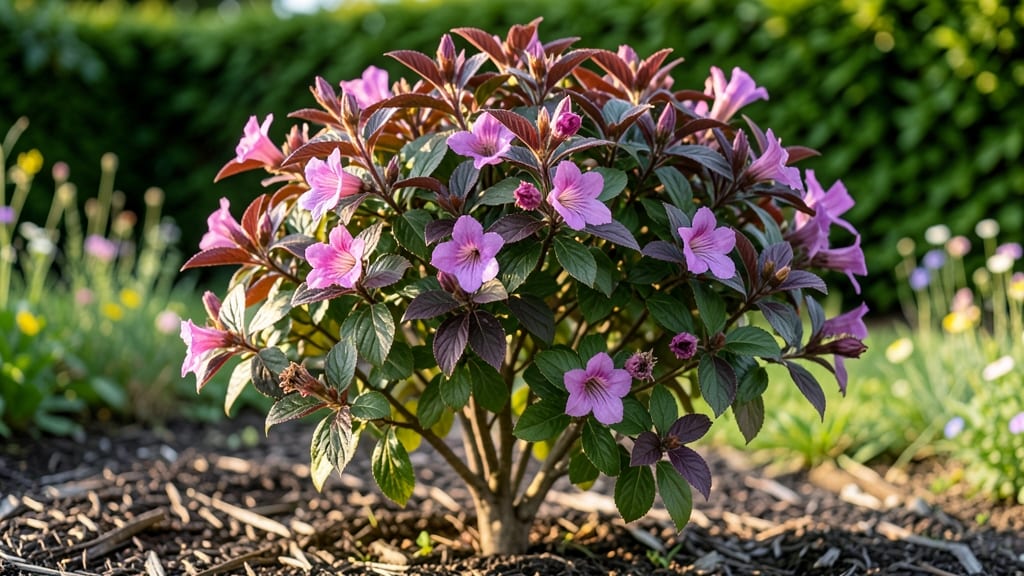
That Continental Purple Willow Bush transforms bare yards into lush, purple privacy screens faster than you'd expect. 🌿 I planted mine last spring, and by year three, it stood over 12 feet tall—dense enough to block nosy neighbors while adding dramatic color to my landscape.
This cold-hardy shrub thrives where others fail, handling zones 3 through 8 without fuss. It’s not picky about soil either—just avoid waterlogged spots. The purple foliage stays vibrant all season, and its catkins in early spring attract pollinators. Even better, it’s deer-resistant, a lifesaver in my area.
Once established, it needs minimal care—just deep watering once a week in dry spells and an annual prune to shape it. The best part? It grows 3-5 feet per year, so you’ll see results fast. Perfect for hedges, windbreaks, or standalone statement plants.
Here’s the secret: Plant it in full sun to partial shade and mulch well. Avoid over-pruning, or you’ll lose that gorgeous purple hue. Ready to grow a showstopper that actually works?
📚 In This Guide
- What you need
- Instructions
- Tips and common mistakes
- Wrapping up and next steps
What you need
- ● Continental Purple Willow Bush plants – 3–5 young plants (3–4 ft tall) for a dense screen. Choose Chosenbach weeping willow cultivars for best results.
- ● High-quality potting soil – 5–10 bags (2–3 cu. ft. each), amended with peat moss or coconut coir for moisture retention.
- ● Organic compost – 1–2 bags (for nutrient-rich planting holes).
- ● Slow-release fertilizer – 10–15 lbs (e.g., 10-10-10 or osmocote for shrubs).
- ● Mulch – 5–10 bags (3–4 cu. ft. each) of wood chips or shredded bark (avoid fresh mulch near stems).
- ● Shovel or spade – For digging planting holes (12–18" wide/deep).
- ● Garden trowel – For amending soil and transplanting.
- ● Wheelbarrow or bucket – To mix soil and compost.
- ● Pruning shears – Sharp, bypass-style (for shaping and cleanup).
- ● Watering can or hose with nozzle – A soaker hose is ideal for deep watering.
- ● Measuring tape – To space plants 6–8 ft apart for a lush screen.
- ● Gloves – Heavy-duty gardening gloves (willow branches can be thorny!).
- ● Sunlight – A full-sun to partial-sun location (6+ hours of direct sun daily).
- ● Moisture-loving soil – Well-draining but consistently damp (amend clay soil with sand/compost).
- ● Cold-hardy zone – Plant in USDA Zones 3–8 (this willow thrives in frost!).
- ○ Windbreak (optional) – Young plants may need temporary staking in windy areas.
Step-by-step instructions for planting continental purple willow bushes
Here's how to establish a lush, cold-resistant privacy screen that thrives in your climate.
🌱 Step 1: Select and Prepare the Planting Site
Choose a location with full sun to partial shade—Continental Purple Willows tolerate 2-6 hours of direct sun daily, but their signature purple foliage deepens in morning sunlight. Test your spot by observing how much sun it gets between 9 AM and 3 PM in summer.
Dig a hole twice as wide as the root ball but only as deep—planting too deep suffocates roots and causes stress. Amend the native soil with 2-3 inches of compost mixed into the bottom of the hole to improve drainage and fertility. These willows thrive in moist but well-drained soil, so avoid low-lying areas where water pools.
🪴 Step 2: Plant Bare-Root or Container-Grown Bushes
For bare-root plants, soak roots in lukewarm water for 1-2 hours before planting to revive them. Position the bush in the hole so the top of the root ball sits 1-2 inches above ground level—this prevents stem rot in heavy rains. The reason we don’t bury the root flare? Willows naturally grow in wet environments, and buried stems rot faster than you’d expect.
Backfill with native soil mixed with compost, tamping gently as you go to eliminate air pockets. Water deeply until the soil 4-6 inches down feels saturated. You’ll know it’s right when water pools briefly on the surface before draining away. Avoid compacting the soil too firmly—willow roots need loose soil to spread aggressively.
☀️ Step 3: Mulch and Water for Establishment
Apply 2-3 inches of wood chips or shredded bark mulch around the base, keeping it 6 inches away from the stem to prevent rot. Mulch conserves moisture and regulates soil temperature, which is critical during the first growing season. Replenish mulch annually in late winter to maintain this protective layer.
Water 2-3 times per week for the first month, then taper to once weekly once new growth appears. You’ll see fresh green shoots within 3-4 weeks—that’s your signal the roots have established. Overwatering now causes more problems than underwatering, so let the top 2 inches of soil dry between waterings.
✂️ Step 4: Prune for Shape and Health
Prune in late winter or early spring before new growth begins, removing 1/3 of the oldest stems at ground level. This rejuvenates the bush and encourages vigorous new shoots. Cut just above a healthy bud, angled slightly away from the stem. Willows sprout readily from old wood, so don’t worry about removing entire branches—new growth will fill in quickly.
Shape the bush in summer after flowering to maintain your desired width. Trim back any leggy growth or branches that cross the center. You’ll notice the purple foliage intensifies after pruning—this is the bush’s natural response to fresh air circulation. Avoid heavy pruning in fall, as new growth won’t harden off before winter.
Tips & tricks for planting continental purple willow bushes
Took me years of trial and error to master these key strategies for thriving willow privacy screens—here's what nobody tells you.
Sunlight Strategy: While your bushes tolerate 2-6 hours of sun daily, position them to catch morning sunlight for that signature purple foliage. I learned this the hard way after planting mine in afternoon shade—colors stayed dull for two full seasons. If your site gets only partial sun, plant them where they'll receive the brightest morning rays between 9 AM and 12 PM.
Root Revival Technique: That 1-2 hour root soak before planting is non-negotiable for bare-root willows. I used to skip it, and my bushes struggled for months. Use lukewarm water (not cold) and add a root stimulator if available. The goal is to fully rehydrate the roots without shocking them—think of it as giving them a drink after a long road trip.
Mulching Wisdom: The 2-3 inches of mulch around your base isn't just decoration—it's temperature regulation. In my climate, I double-check mulch depth in winter to ensure it stays at least 2 inches thick. Pro tip: Use wood chips rather than bark mulch, as they break down more slowly and maintain that protective layer longer. Keep it 6 inches away from the stem to prevent rot, which I discovered after losing three bushes to stem rot.
Pruning Timing: That late winter pruning before new growth begins is critical for rejuvenation. I used to prune in early spring and noticed my bushes took longer to recover. The key is to remove 1/3 of the oldest stems at ground level—this might seem drastic, but willows respond by sending up vigorous new shoots from the base. Watch for fresh green shoots within 3-4 weeks as your signal of successful pruning.
Pro Tips for Continental Purple Willow Bush
- Took me years of trial and error to master these key strategies for thriving willow privacy screens—here's what nobody tells you.
- Sunlight Strategy: While your bushes tolerate 2-6 hours of sun daily, position them to catch morning sunlight for that signature purple foliage.
- Root Revival Technique: That 1-2 hour root soak before planting is non-negotiable for bare-root willows.
Frequently asked questions
Got questions about growing a Continental Purple Willow Bush? You’re not alone! This fast-growing, cold-hardy shrub is a favorite for privacy screens, but it’s natural to have a few doubts before planting. Below, we’ve rounded up the most common questions—and answers—to help you get started with confidence.
How fast does a Continental Purple Willow Bush grow?
The Continental Purple Willow Bush is one of the fastest-growing shrubs, averaging 3–5 feet per year under ideal conditions. With proper care, you can achieve a full 10–15-foot-tall privacy screen in just 3–4 years! Planting in spring or early fall gives it the best head start.
Is this bush really cold-hardy? Can it survive winter?
This variety thrives in USDA Zones 3–8, making it perfect for northern climates. Its Salix lineage means it can tolerate temperatures as low as -40°F. Just mulch the base in late fall to protect roots, and avoid pruning in winter to preserve winter interest.
What’s the best way to prune a Continental Purple Willow Bush?
Prune in late winter or early spring before new growth begins. Use clean, sharp shears to cut back 1/3 of the oldest stems to encourage bushier growth. Avoid heavy pruning in fall, as it can stimulate tender new growth that may not survive frost. Never prune more than 30% at once—this shrub recovers quickly but dislikes drastic cuts.
Can I grow a Continental Purple Willow Bush in a pot?
While possible, it’s not ideal for long-term container growing. These shrubs have aggressive root systems and can outgrow pots quickly, leading to root-bound stress. If you must pot it, choose a large (20+ gallon) container with drainage holes and repot every 2–3 years. For best results, plant directly in the ground.
Are Continental Purple Willow Bushes deer-resistant?
Unfortunately, no—deer and rabbits often find them delicious! If wildlife is an issue in your area, consider installing physical barriers (like fencing) or opting for a deer-resistant alternative like Buxus (boxwood) or Ilex (holly) for mixed plantings. A light spray of deer repellent can also help deter nibbling.
Why are the leaves turning yellow or brown?
Yellowing leaves often signal overwatering, poor drainage, or fungal issues. Brown tips or patches could mean underwatering, salt buildup, or pests like spider mites. Check soil moisture (it should stay evenly moist but not soggy) and inspect for pests. If fungal diseases (like powdery mildew) appear, prune affected branches and apply neem oil as a natural treatment.
Wrapping up and next steps
The Continental Purple Willow Bush is your ticket to a stunning, low-maintenance privacy screen that thrives in cold climates—no green thumb required! 🌿 With its vibrant foliage, rapid growth, and resilience, this shrub transforms any space into a lush, serene retreat in just three years.
Whether you're a first-time gardener or a seasoned pro, its adaptability makes it a winner for both beauty and practicality.
Ready to plant your future privacy haven? Grab your gloves, pick a sunny spot, and get growing—your backyard oasis awaits! 🌟 Next step: Mark your calendar for early spring or fall and start digging!