
Shrubs
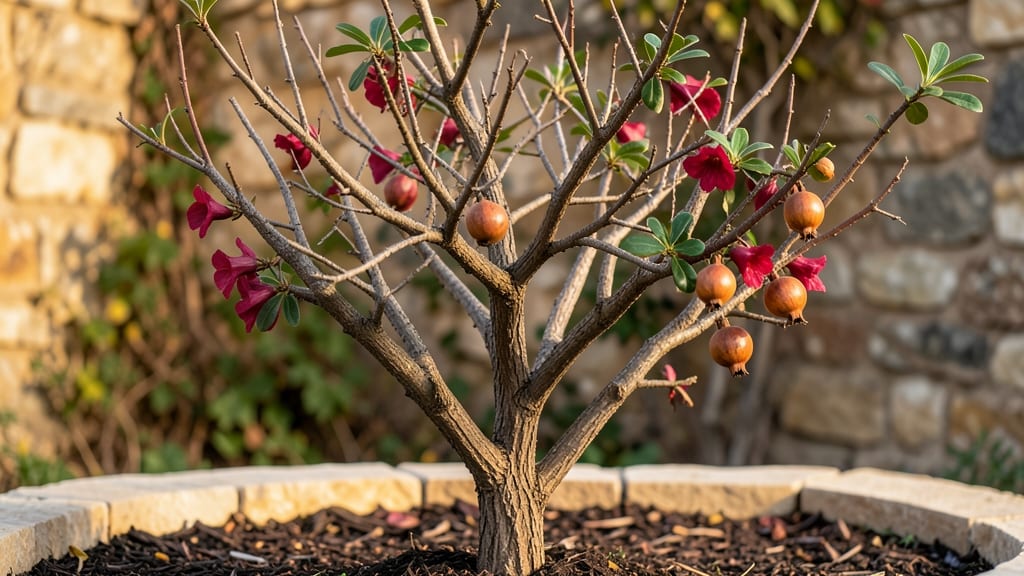
Growing a cold hardy red pomegranate bush in zones 7-10 means harvesting jewel-toned fruit even after frost. 🌱 I’ve watched mine survive -10°F winters, then burst with deep red blooms by spring—proof this isn’t just a desert plant.
The secret lies in choosing the right variety, preparing the soil, and giving it winter protection without fuss. This bush thrives in full sun with well-draining soil, but it’s surprisingly adaptable.
Unlike tropical pomegranates, these hardy varieties handle cooler climates when planted in sheltered spots or with a thick mulch layer. Prune in late winter to shape the plant and encourage fruit production, then protect young plants with burlap wraps during sudden cold snaps.
By summer, you’ll be rewarded with glossy green leaves, vibrant red flowers, and those coveted ruby-red arils. The fruit stays on the bush longer than most varieties, and the ornamental value doesn’t end when harvest does—dried flowers make stunning winter arrangements too.
Perfect for gardeners who want year-round interest and edible beauty without tropical fuss. Here’s how to make it thrive where you live.
📚 In This Guide
- What you need
- Instructions
- Tips and common mistakes
- Wrapping up and next steps
What you need
- ● Cold-hardy pomegranate plant: 1–3 Punica granatum varieties (e.g., 'Wonderful,' 'Eversweet,' or 'Cold Hardy' cultivars). Choose dwarf or semi-dwarf types (4–6 ft tall) for easier harvests.
- ● Bare-root or container-grown (more resilient in colder zones).
- ● Well-draining soil: Mix 1 part native soil with 1 part compost and 1 part coarse sand/perlite (pH 6.0–7.0). Avoid clay-heavy soils!
- ● Organic mulch: 3–4 inches of wood chips, straw, or pine needles to insulate roots in winter.
- ● Garden tools: 1 trowel
- ● 1 pruning shears (sterilized)
- ● 1 hand shovel
- ● 1 rake (for leveling soil)
- ○ Optional but helpful: Soil test kit ($10–$20) – ensures proper pH/nutrients.
- ● Drip irrigation system or soaker hose (for drought-prone zones).
- ● Frost cloth or row covers (for Zone 7 winters).
- ● Cold frame or mini greenhouse (for overwintering young plants).
- ● Sunlight: 6+ hours of full sun daily (south-facing spot ideal).
- ● Space: 6–10 ft apart (or 4–6 ft for dwarf varieties).
- ● Water access: Drought-tolerant once established, but needs deep watering 1–2x/week in dry spells.
- ● Patience: 2–3 years for first fruit (but worth the wait! 🍇).
Step-by-step guide to planting cold hardy red pomegranate bushes
Here's how I've successfully grown these striking bushes in cooler climates—no fancy tricks, just smart timing and care.
🪴 Step 1: Choose the Perfect Location and Planting Time
Find a spot with 6-8 hours of full sun daily—pomegranates need plenty of warmth to ripen fruit. I always plant in early spring, after the last frost but before summer heat arrives. The roots establish better when soil temperatures are 60-70°F.
Dig a hole twice as wide as the root ball but only as deep—planting too deep suffocates the roots. Loosen the sides of the hole with your hands to remove air pockets. Here's the thing—pomegranates hate soggy feet, so if your soil drains poorly, mix in 2 inches of coarse sand at the bottom of the hole.
☀️ Step 2: Plant and Water for Strong Establishment
Place the bush in the hole so the top of the root ball sits 1 inch above soil level. This prevents water from pooling around the stem. Backfill with native soil, pressing gently to remove air gaps. I like to add a handful of compost to the backfill mix—just enough to boost fertility without overwhelming the plant.
Water deeply right after planting to settle the soil, then again every 2-3 days until new growth appears. You'll know you're doing it right when water runs out the drainage holes—this ensures the roots get fully hydrated. Mulch with 2-3 inches of wood chips around the base (keep it 6 inches away from the trunk) to retain moisture and regulate soil temperature.
✂️ Step 3: Prune and Protect for Winter Survival
In late winter, before buds swell, prune to open the center of the bush for better air circulation. Remove any dead, crossing, or weak branches with clean cuts at a 45-degree angle. I always shape mine into a vase form—this encourages fruit production and makes harvesting easier. Real talk: pomegranates are tough but benefit from a 10-15°F cold snap to set fruit, so don't rush to protect them too early.
When temperatures drop below 20°F, wrap the bush loosely with burlap or use a frost blanket. Avoid plastic—it traps moisture and can rot the branches. In Zone 7, I've seen these bushes survive -10°F with proper protection, though young plants may need extra care. Water sparingly in winter—just enough to keep the soil from drying out completely.
🌿 Step 4: Feed and Maintain for Year-Round Productivity
Feed with a balanced 10-10-10 fertilizer in early spring and again after harvest. I use about ½ cup per bush, spread evenly under the canopy. Pomegranates are drought-tolerant once established, but they reward consistent care—water deeply once a week during dry spells to encourage deep root growth. You'll see strong, vibrant growth when leaves stay deep green and glossy.
Watch for pests like aphids or scale in new growth—spray with neem oil if you spot sticky residue on leaves. Here's the moment that matters: harvest when the fruit turns deep red and feels heavy in your hand. Cut stems with 3-4 inches of stem attached to prolong shelf life. Store uncut fruit at room temperature until ready to use.
Tips & tricks for thriving cold hardy red pomegranate bushes
These are the hard-won lessons I've learned after watching my own pomegranates flourish in Zone 7 winters.
Sunlight Strategy: That 6-8 hours of sun requirement is non-negotiable for fruit development. I've found the best spot gets morning sun and afternoon shade in hotter zones—this prevents leaf scorch while still giving the fruit the warmth it needs. Watch for leaves turning yellow in late summer; this often means they're getting too much midday heat.
Root Ball Placement: The 1-inch elevation above soil level is crucial—it prevents waterlogging that can rot the roots. I like to create a small mound of soil when planting to ensure proper drainage. If your soil stays soggy after rain, consider building a raised bed for your pomegranate bush.
Winter Protection: The 20°F threshold for frost protection is your guide, but don't wait until the last minute. I've seen bushes survive -10°F with proper wrapping, but the key is starting protection before temps drop that low. Use burlap loosely—it should allow some airflow to prevent moisture buildup that leads to fungal issues.
Fertilizer Timing: That ½ cup of 10-10-10 fertilizer works wonders, but timing matters. I apply half in early spring when buds begin to swell and the rest immediately after harvest. This two-step approach gives the bush energy for new growth and then recovery after fruiting.
Pro Tips for Cold Hardy Red Pomegranate Bush
- These are the hard-won lessons I've learned after watching my own pomegranates flourish in Zone 7 winters.
- Sunlight Strategy: That 6-8 hours of sun requirement is non-negotiable for fruit development.
- Root Ball Placement: The 1-inch elevation above soil level is crucial—it prevents waterlogging that can rot the roots.
Frequently asked questions
Got questions about growing a cold-hardy red pomegranate bush? You’re not alone!
Here are some of the most common concerns—plus expert answers to help you thrive in zones 7-10.
Can a red pomegranate bush survive winter in Zone 7?
Yes! Cold-hardy varieties like Punica granatum 'Cold Hardy' can tolerate down to 10°F (-12°C) with proper care. Mulch heavily (4-6 inches) and wrap the trunk in burlap or frost cloth for extra protection. Prune dead wood in early spring—new growth is tougher!
How long does it take for a pomegranate bush to bear fruit?
Patience is key! Most cold-hardy pomegranates take 2-3 years to produce fruit from seed, but grafted plants may fruit in 1-2 years. Focus on consistent watering (deep but infrequent) and full sun to speed up maturity. Pro tip: Plant two bushes for cross-pollination!
What if my pomegranate bush isn’t flowering? How do I fix it?
Lack of flowers usually means stress—check these fixes:
- Sunlight: Ensure 6+ hours of direct sun daily (partial shade can reduce blooms).
- Water: Drought stress stunts growth; water deeply 1-2x/week in dry spells.
- Pruning: Trim back 1/3 of old wood annually in late winter to encourage new, flowering branches.
- Fertilizer: Use a balanced 10-10-10 in early spring (avoid high-nitrogen—it promotes leaves over flowers).
Are there alternatives to pomegranate bushes for cold climates?
If pomegranates seem too finicky, try these cold-hardy fruit-bearing shrubs for zones 7-10:
- Aronia berries (Zone 4-8): Disease-resistant, packed with antioxidants.
- Elderberry (Zone 3-8): Thrives in poor soil; great for jams and syrups.
- Honeyberry (Zone 3-7): Early spring fruit; loves acidic soil.
- Serviceberry (Zone 4-8): Edible berries and stunning fall foliage.
Why are my pomegranate leaves turning yellow or spotted?
Yellowing leaves often signal overwatering, nutrient deficiency, or pests. Here’s how to diagnose:
Symptom
Likely Cause
Solution
Yellow edges
Overwatering or magnesium deficiency
Let soil dry between waterings; add Epsom salt (1 tbsp/gal water) monthly.
Black/yellow spots
Fungal disease (e.g., leaf spot) or aphids
Prune infected leaves; spray with neem oil or copper fungicide.
Curling leaves
Spider mites or aphids
Blast with water; introduce ladybugs or use insecticidal soap.
Wrapping up and next steps
Growing a cold-hardy red pomegranate bush in Zones 7–10 isn’t just possible—it’s a rewarding adventure that brings bold flavor and vibrant color to your garden year after year! 🌱 With the right care, from selecting the perfect variety to protecting it through winter, you’ll enjoy fresh fruit long after most gardens have gone dormant.
The key? Patience and preparation—but the juicy payoff makes it worth every effort.
Ready to take the next step? Start small: plant one bush this season, experiment with mulching or winter wraps, and track its progress. Before you know it, you’ll be harvesting ruby-red arils straight from your backyard—and maybe even sharing them with neighbors! 🍇✨