
Pruning
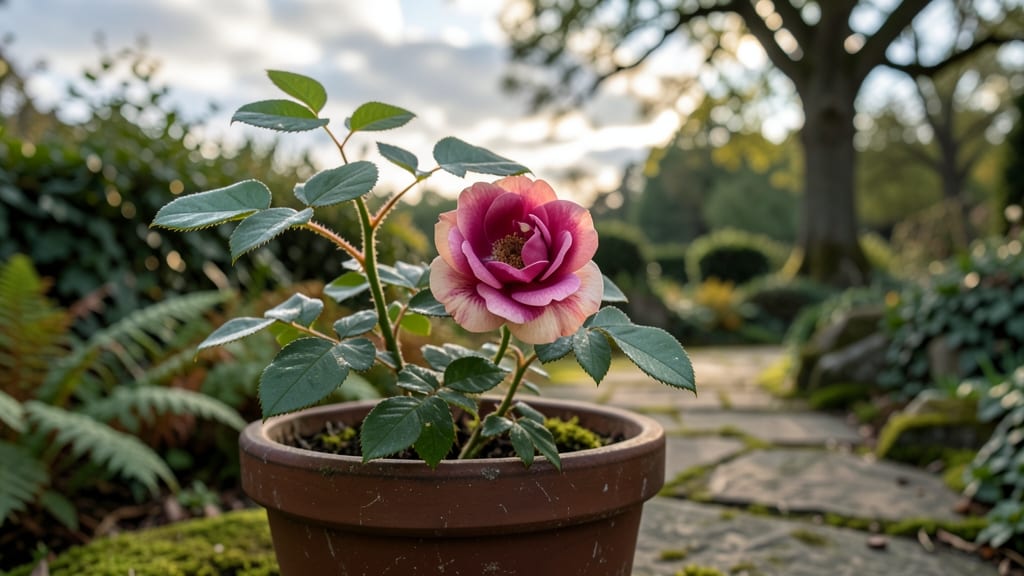
This Coat of Many Colors rose bush turns your garden into a living watercolor painting. 🌸 Its foliage shifts from deep burgundy in spring to fiery orange in summer, then golds and purples in fall—all while producing delicate pink blooms.
No other plant delivers this kind of seasonal drama in a single plant. The secret lies in its strategic placement: use it as a border anchor, a mixed-bed focal point, or a container specimen where its colors can pop against evergreens or silver foliage.
Pair it with lavender for contrast or heuchera for texture—it thrives in both sun and partial shade. With just light pruning to shape its arching branches, you’ll keep the colors vibrant year-round.
The blooms arrive in early summer, but the real show is the foliage—no other rose does this. Even in winter, the stems hold subtle hues. Perfect for cottage gardens, modern landscapes, or small urban spaces. Here’s how to make it the star of your design!
📚 In This Guide
- What you need
- Instructions
- Tips and common mistakes
- Wrapping up and next steps
What you need
- ○ Pruning shears: Bypass pruners (sharp, clean, and sterilized with rubbing alcohol or bleach). Optional: Loppers for thicker branches (1–2 inches in diameter).
- ● Gloves: Heavy-duty gardening gloves (cut-resistant for safety).
- ● Disinfectant: 1-part bleach to 9-parts water (for sterilizing tools between cuts).
- ○ Pruning sealant (optional): Tree wound paint or beeswax (to prevent disease on larger cuts).
- ● Measuring tape or ruler: For assessing branch lengths (12–24 inches for standard cuts).
- ● Garden twine or stakes: To support new growth (if needed).
- ○ Sharpie marker (optional): For labeling branches if experimenting with color patterns.
- ● Compost or mulch: 2–3 inches to enrich soil after pruning.
- ● Know your rose bush’s variety (e.g., hybrid tea, floribunda) and age (younger bushes need lighter pruning).
- ● Check the last frost date in your zone (prune after danger of frost has passed).
- ● Gather a clear day (avoid pruning in wet or windy conditions).
- ● Patience! Strategic pruning takes time—plan for 1–2 hours per session.
How to prune a Coat of Many Colors rose for year-round blooms
This stunning rose thrives on regular pruning—here's the seasonal strategy I use to keep it flowering nonstop.
✂️ Step 1: Late Winter Cleanup (Before Bud Break)
Wait until your region's last frost has passed but before new growth appears—typically late February to early March. I look for the first hints of swollen buds on the canes as my signal. Grab your pruning shears and sanitize them with rubbing alcohol to prevent disease spread.
Remove all dead, diseased, or crossing canes first. Cut back to a healthy outward-facing bud, making the cut at a 45-degree angle just above the bud. This ensures water runs off the stem instead of pooling. For every remaining cane, cut back by about one-third to encourage bushier growth and more blooms.
☀️ Step 2: Post-Bloom Pruning (After First Flowering)
Once the first flush of blooms fades, it's time for another round of pruning—usually around mid-June. I wait until about half the blooms have dropped to give the plant time to set new buds. Remove spent blooms by cutting the stem back to the nearest outward-facing leaf bud.
This technique, called deadheading, redirects the plant's energy from seed production to growing more canes and flowers. For the "Coat of Many Colors" variety, this is especially important since it blooms repeatedly. Always use clean, sharp shears to make crisp cuts—dull blades tear stems and invite infection.
🌿 Step 3: Light Summer Maintenance (Every 4-6 Weeks)
Throughout the growing season, I do light maintenance pruning every 4-6 weeks to keep the bush compact and encourage continuous blooming. Simply remove any canes that are growing inward or rubbing against others. Cut these back to the base of the plant, which removes competition for nutrients.
Also watch for suckers—those vigorous shoots growing from the base or below the graft. Remove these immediately as they drain energy from your prized variety. You'll know you're doing it right when you see new growth emerging from the center of the bush, creating that lush, colorful display.
⏰ Step 4: Fall Preparation (Before First Frost)
About 6-8 weeks before your first expected frost, give your rose one final pruning to clean up and prepare for winter. Remove any weak, spindly growth that wouldn't survive winter. Cut back any remaining blooms and trim back canes by about one-third again, but leave some foliage to protect the buds from cold.
This late-season pruning stimulates new growth that will harden off before winter. I also apply a 2-3 inch layer of mulch around the base (not touching the stems) to insulate roots. The mulch helps regulate soil temperature and retains moisture during winter months.
🌱 Step 5: Spring Awakening (Early Season Checks)
As soon as you see new growth in spring, do a final inspection. Remove any canes that died over winter—they'll be completely brown and brittle. Cut these back to the base. For any canes that survived but look weak, trim back by about one-quarter to encourage strong new growth.
This is also when I add my annual fertilizer application. The "Coat of Many Colors" responds beautifully to a balanced rose fertilizer with micronutrients for vibrant colors. Water deeply after applying to help distribute nutrients throughout the root zone. Within weeks, you'll see fresh, vigorous growth signaling the start of another spectacular blooming season.
Tips & tricks for perfect year-round rose blooms
These seasonal strategies will help your "Coat of Many Colors" rose stay vibrant and blooming all year long.
Timing is Everything: In Step 1, when you're cutting back canes by one-third in late winter, mark each cane with a small piece of flagging tape or ribbon before pruning. This helps you track which canes you've already pruned and prevents over-pruning. I've found that canes left unpruned for too long become leggy and produce fewer blooms. The key is that one-third reduction—any less, and you won't encourage enough bushiness; any more, and you risk weakening the plant.
Deadheading Technique: For Step 2's post-bloom pruning, I've discovered that using a pair of sharp bypass pruners (not anvil pruners) makes all the difference. The clean cut prevents tearing that can introduce disease. When you're removing spent blooms, look for the first outward-facing leaf bud below the bloom—this is where new growth will emerge. Cut just above this bud at a 45-degree angle to encourage strong new shoots. This precise cut is what keeps your rose producing continuous blooms.
Seasonal Maintenance: During Step 3's light summer maintenance, I've noticed that the 4-6 week schedule works best when you prune on a cloudy day or in the early morning. The cooler temperatures reduce stress on the plant. Also, always sterilize your pruners between cuts with rubbing alcohol—this prevents spreading any potential diseases between canes. I keep a small bottle of alcohol in my gardening tool pouch for quick sterilization between cuts.
Winter Preparation: For Step 4's fall preparation, don't forget to remove any rose hips that form after blooms fade. While they're pretty, they drain energy from the plant. When applying that 2-3 inch layer of mulch, make sure to keep it several inches away from the stem to prevent rot. I've seen many gardeners make this mistake and end up with fungal issues. The mulch should mound up around the base but not touch the canes themselves.
Pro Tips for Coat Of Many Colors Rose Bush
- These seasonal strategies will help your "Coat of Many Colors" rose stay vibrant and blooming all year long.
- Timing is Everything: In Step 1, when you're cutting back canes by one-third in late winter, mark each cane with a small piece of flagging tape or ribbon before pruning.
- Deadheading Technique: For Step 2's post-bloom pruning, I've discovered that using a pair of sharp bypass pruners (not anvil pruners) makes all the difference.
Frequently asked questions
Got questions about keeping your Coat of Many Colors rose bush vibrant and blooming year-round? You’re not alone! Here are some of the most common questions—and their answers—to help you master pruning like a pro.
When is the best time to prune this rose bush for continuous blooms?
The Coat of Many Colors rose thrives with two pruning sessions: late winter (just before new growth starts) and mid-summer (after the first flush of blooms). Late winter pruning shapes the bush and removes dead wood, while summer pruning encourages nonstop reblooming. Avoid heavy pruning in fall—it can stress the plant before winter.
How do I encourage more vibrant colors in the blooms?
This rose’s multi-colored blooms (ranging from pink to lavender) are genetic, but you can enhance their intensity with balanced care. Use a rose-specific fertilizer high in phosphorus (for blooms) and potassium (for color vibrancy) every 4–6 weeks. Also, ensure it gets 6+ hours of sunlight daily—partial shade may mute colors slightly.
Do I need to prune the Coat of Many Colors rose in winter?
Light winter pruning is optional but helpful in cold climates (Zones 5–7). Trim back any damaged or dead canes to protect the plant, but avoid heavy cuts—this rose is hardy to Zone 5 and can handle winter dormancy well. In milder zones, skip winter pruning entirely and wait for spring.
What should I do if my rose bush isn’t blooming as expected?
If your Coat of Many Colors is producing fewer blooms than usual, check these common culprits:
- Over-pruning: Too aggressive cuts in summer can shock the plant. Stick to 1/3 of the bush max per session.
- Underwatering: This rose needs 1–1.5 inches of water weekly (more in heatwaves). Wilting can cause bud drop.
- Poor drainage: Root rot from soggy soil stunts growth. Ensure the pot or soil has drainage holes and amend with compost.
- Lack of fertilizer: Feed every 4–6 weeks with a balanced rose fertilizer (10-10-10 or similar).
Can I grow the Coat of Many Colors rose in a container?
This rose adapts well to containers (15+ gallon pots), making it perfect for patios or small gardens. Use a well-draining potting mix with added compost, and repot every 2–3 years to refresh nutrients. Just ensure the container has drainage holes and you’re ready to prune more frequently (containers dry out faster!).
Wrapping up and next steps
Transforming your Coat of Many Colors rose bush into a year-round spectacle is simpler than you think—just a little strategy and care! By mastering the art of strategic pruning, you’ll unlock vibrant blooms from spring to frost, making your garden the envy of the neighborhood. 🌸
Ready to dive in? Start small—pick one season to practice your new skills, then build confidence as you refine your technique. Before you know it, your rose bush will be the star of the show, proving that a little effort goes a long way. Happy pruning!