
Pruning
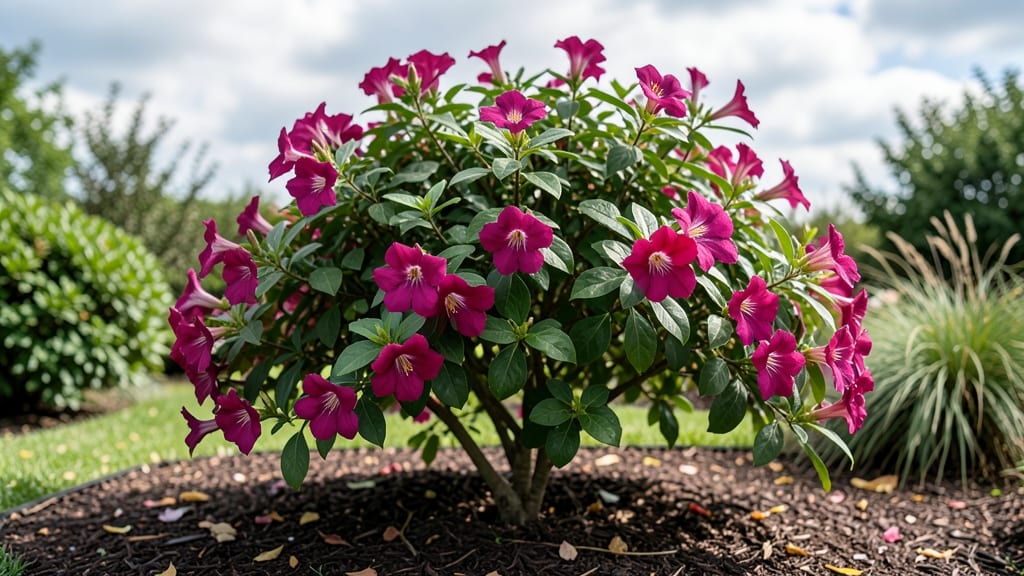
The care of Weigela bush transforms it into a summer-bloom powerhouse—and I’ve learned the hard way that timing is everything. 🌸 The secret’s in cutting back just as new growth starts, not too early (you’ll miss the flowers) and not too late (you’ll stress the plant).
My first attempt left me with a sad, bare shrub, but now I get weeks of vibrant pink or red blooms every year.
This bush thrives with full sun to partial shade, well-draining soil, and moderate watering—never soggy roots. After pruning, feed it with a balanced fertilizer to fuel those showy flowers.
The key is shaping it right: remove dead wood first, then cut back 1/3 of the oldest stems to encourage fresh growth. It’s simpler than it sounds, and the payoff is worth every snip.
By summer, you’ll have dense foliage and cascading clusters that hummingbirds adore. The blooms last longer if you deadhead spent flowers, and the plant stays compact enough for small gardens.
Just avoid heavy pruning in fall—it sets you up for winter damage. I’ve had mine thrive for over 10 years, and it’s still going strong.
Works in zones 4–9, whether planted alone or mixed with other shrubs. The only real challenge? Patience—first-year blooms might be modest, but by year two, it’s a showstopper. Grab your pruners and let’s get to work!
📚 In This Guide
- What you need
- Instructions
- Tips and common mistakes
- Wrapping up and next steps
What you need
- ○ Pruning shears: Bypass pruners (sharp, clean, and sterilized with rubbing alcohol—disease prevention is key!). Optional: Loppers for thicker branches.
- ● Garden gloves: Heavy-duty, cut-resistant (think thorns!). Pro tip: Choose breathable fabric to avoid sweaty hands! 😅
- ● Disinfectant: 10% bleach solution (1 part bleach to 9 parts water) or rubbing alcohol (70%+) for sterilizing tools between cuts.
- ○ Pruning sealant: Optional but helpful for large cuts (1–2 inches in diameter) to prevent disease (e.g., tree wound pruning paste).
- ● Trash bag or bucket: For collecting pruned branches (1–2 large bags or a 5-gallon bucket for easy disposal).
- ● Measuring tape or ruler: To check branch thickness and ensure you’re pruning at the right bud or joint.
- ○ Sharpie or label markers: Optional for marking branches if you’re unsure which to prune.
- ● Dry weather: Wait for a 2–3 day forecast of dry, mild weather (40–60°F) to avoid fungal growth on fresh cuts.
- ● Clean workspace: Lay down cardboard or a tarp under the bush to catch debris and make cleanup easier.
- ○ Safety gear: Optional but smart: Safety glasses (if branches are brittle) and long sleeves to protect from scratches.
- ● Know your bush: Identify dead, diseased, or crossing branches before you start—sketch a quick map if needed! 📝
Step-by-Step guide to late-winter weigela pruning
Here's how to revive your weigela bush with a strategic prune—timing is everything for those vibrant summer blooms.
✂️ Step 1: Wait for the Right Time
Prune your weigela bush in late winter, right after the last frost but before new growth begins. This is usually February or March in most climates, when the ground is thawed but buds haven't swollen yet. You'll know it's time when the plant looks dormant but the soil is workable—no more icy hardpack.
If you prune too early, you risk damaging buds that haven't formed yet. If you wait too long, you'll cut off potential blooms. I always check the weather forecast for a 3-day stretch above 40°F before grabbing my shears—this ensures the plant can heal properly after cuts.
✂️ Step 2: Gather Your Tools and Safety Gear
You'll need clean, sharp pruning shears (sterilize with rubbing alcohol first), gloves (weigela thorns are sharp!), and disposable bags for trimmings. I also keep a small bottle of pruning sealant handy—though weigela doesn't always need it, it helps larger cuts heal faster in wet climates.
Wear long sleeves and safety glasses too. Weigela branches can whip unexpectedly when cut, and those thorns don't forgive. I like to work on a dry day when the branches are less brittle—cutting wet wood can tear rather than cleanly sever, leaving ragged edges that invite disease.
✂️ Step 3: Remove Dead or Damaged Wood First
Start by scanning the entire bush for dead, diseased, or crossing branches. Dead wood is easy to spot—it's brown, brittle, and doesn't bend when you test it. Cut these out first, making your cuts just outside the branch collar (that swollen area where the branch meets the trunk). This prevents unsightly stubs and helps the plant seal the wound faster.
Next, look for branches that cross or rub against each other. These create wounds that weaken the plant and invite fungal infections. Remove the smaller of the two branches at the base. I always step back after each cut to visualize the shape—you want an open center that lets light and air circulate to prevent future rot.
✂️ Step 4: Thin Out Overcrowded Branches
Weigela blooms on old wood, so you're not cutting back to encourage new growth—you're shaping for airflow and sunlight. Aim to remove about 20-30% of the oldest, thickest branches to open up the center. Start with branches that are thicker than a pencil and work your way to smaller ones.
Make your cuts at a 45-degree angle just above an outward-facing bud. This encourages the new growth to branch outward, creating a fuller, more balanced plant. Avoid cutting flush with the trunk—leave that collar to protect the plant. If you're unsure which bud to aim for, look for ones that face the outside of the bush.
✂️ Step 5: Shape the Bush and Clean Up
Now it's time to refine the shape. Weigela responds well to a rounded, slightly vase-like form—this mimics its natural growth habit and encourages strong blooms. Step back frequently to check your progress. You want to see light penetrating to the center of the bush by the time you're done.
After pruning, rake up all the trimmings and dispose of them in the bags. Don't leave them on the ground—they can harbor pests and diseases that might reinfect your plant. If you used sealant, apply it to any cuts larger than ½ inch in diameter. Water the base of the plant deeply to help it recover from the stress of pruning.
☀️ Step 6: Post-Pruning Care for Summer Blooms
Your weigela will need consistent watering for the next 4-6 weeks as it recovers. Water deeply once a week (or more in extreme heat) until you see new growth. Avoid overhead watering—it can spread fungal spores. Instead, water at the base, keeping the soil 2-3 inches moist but not soggy.
Apply a balanced, slow-release fertilizer in early spring to give your weigela the nutrients it needs for robust blooming. I like to use a 10-10-10 formula—it's gentle but effective. Mulch around the base with 2-3 inches of organic mulch to retain moisture and regulate soil temperature. This keeps roots cool in summer and prevents weeds from competing for nutrients.
Tips & tricks for perfect weigela pruning
These simple tricks will help you prune your weigela like a pro and set the stage for stunning summer blooms.
Timing is Everything: The 3-day stretch above 40°F mentioned in Step 1 is your golden window. This ensures the plant isn't stressed by cold snaps while still dormant. I've learned the hard way—pruning during a warm spell followed by a hard freeze can shock the plant and delay blooming. Check your local frost dates and plan accordingly.
Tool Prep Matters: Sterilizing your pruning shears with rubbing alcohol (as mentioned in Step 2) isn't just about cleanliness—it prevents spreading diseases between plants. I also like to oil my shears after each use to keep them sharp longer. Dull blades tear wood instead of making clean cuts, which can damage your weigela's healing process.
Visual Cues for Pruning: When thinning branches in Step 4, look for branches that are thicker than a pencil—these are your priority. But also watch for branches that grow inward. These create dense centers that block airflow. Imagine light shining through the bush—your goal is to create a shape where sunlight can reach the center. This encourages even blooming throughout the plant.
Post-Pruning Recovery: The 4-6 week recovery period in Step 6 is when your weigela rebuilds its energy. During this time, I avoid pruning again—even minor trims can stress the plant. Instead, focus on consistent watering and mulching. The 2-3 inches of organic mulch helps regulate soil temperature and retain moisture, which is especially important if you're in a hot climate.
Pro Tips for Care Of Weigela Bush
- These simple tricks will help you prune your weigela like a pro and set the stage for stunning summer blooms.
- Timing is Everything: The 3-day stretch above 40°F mentioned in Step 1 is your golden window.
- Tool Prep Matters: Sterilizing your pruning shears with rubbing alcohol (as mentioned in Step 2) isn't just about cleanliness—it prevents spreading diseases between plants.
Frequently asked questions
Got questions about keeping your Weigela bush thriving? Here are some common ones—and their answers—to help you prune and care for your plant like a pro!
When is the best time to prune a Weigela bush?
The ideal window is late winter (just before new growth starts) or early spring. This timing removes dead wood, shapes the plant, and encourages vibrant summer blooms. Avoid pruning in fall—it can stimulate tender new growth that won’t survive winter. Pro tip: Wait until after the last frost for safety!
How much can I cut back my Weigela bush?
You can safely remove up to one-third of the plant’s oldest stems each year to rejuvenate growth. For severely overgrown bushes, don’t panic—cut back stems to 6–12 inches above the ground. The plant will bounce back with fresh, healthy branches. Just avoid over-pruning in one season!
Why aren’t my Weigela blooms as vibrant as last year?
Dull blooms often signal overcrowding, poor pruning, or nutrient deficiencies. First, check if you’re pruning correctly—old wood blooms on Weigela, so avoid heavy cuts to last year’s growth. Next, ensure it gets 6+ hours of sunlight and well-draining soil. A balanced fertilizer in early spring can also boost flower power!
Can I prune Weigela in rainy or cold weather?
Prune on a dry, mild day (50°F+). Rainy or freezing conditions stress the plant, and wet tools can spread disease. If you must prune in damp weather, sterilize your shears with rubbing alcohol first. Clean cuts heal faster, so take your time!
What if my Weigela bush looks leggy or sparse?
Leggy growth usually means it’s not getting enough light or needs rejuvenation. Try moving it to a sunnier spot and prune back overly long stems to encourage bushier growth. For severe cases, cut back 1/3 of the oldest stems to stimulate new, compact branches. Patience is key—it may take a season or two to fill out!
Wrapping up and next steps
Caring for your Weigela bush is all about timing, technique, and a little love—especially that late-winter pruning to unlock stunning summer blooms! 🌸 With the right tools, patience, and a keen eye for dead or overcrowded growth, you’ll set your bush up for vibrant health and eye-catching flowers.
Remember, consistency is key, but don’t stress—even small steps make a big difference.
Ready to transform your garden? Grab your pruners, mark your calendar for late winter, and give your Weigela the attention it deserves. Your future blooms will thank you! 🌿✨