
Pruning
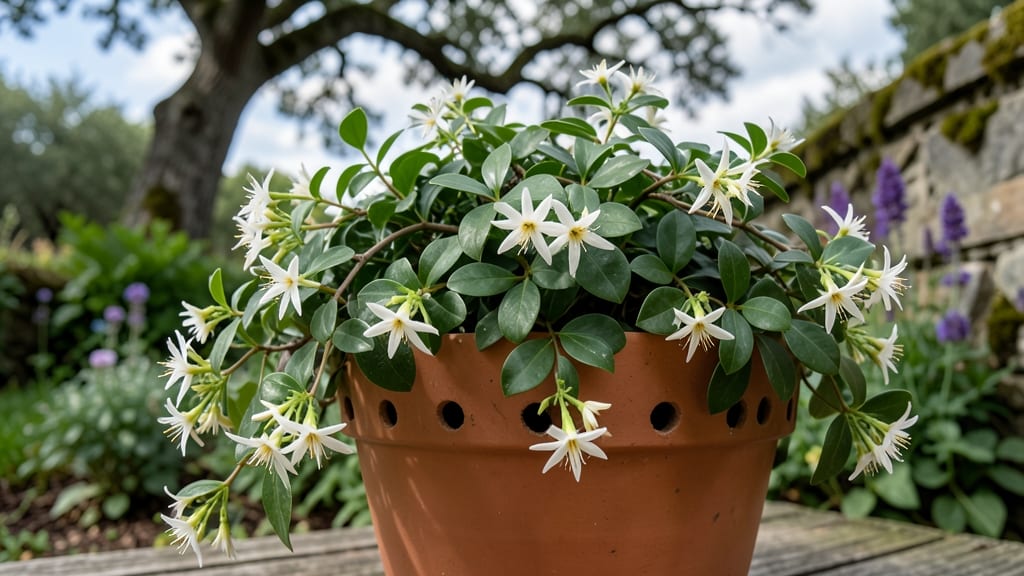
Pruning your cape jasmine bush (Trachelospermum jasminoides) turns a fragrant tangle into a structured, blooming masterpiece. ✨ I’ve learned the hard way that skipping this step means fewer flowers and more leggy branches—until I discovered these four strategic cuts that keep my plant lush and productive year-round.
The secret lies in timing: prune lightly after blooms fade in late spring, then again in early summer to shape new growth. By mid-fall, a final trim removes dead wood and encourages next year’s buds.
Each cut should target 1/3 of the plant’s height to maintain its natural shape without stressing it. You’ll end up with a bush so dense it looks like a living cloud of flowers, heavy with that intoxicating jasmine scent. The best part?
These cuts work for both young plants and mature specimens, ensuring continuous blooms from spring through fall. Works in zones 7-11, though winter protection (mulch or burlap) is key for colder edges. Let’s get those shears sharp!
📚 In This Guide
- What you need
- Instructions
- Tips and common mistakes
- Wrapping up and next steps
What you need
- ● Pruning shears – Sharp, bypass-style shears (for clean cuts on stems up to ¼-inch thick). Quantity: 1 pair.
- ● Lopping shears – For thicker branches (½-inch to 1½-inch diameter). Quantity: 1 pair.
- ● Hand pruners (felco or similar) – For precision cuts on smaller branches. Quantity: 1 pair.
- ● Gloves – Heavy-duty gardening gloves (to protect from thorns and sap). Quantity: 1 pair.
- ● Disinfectant (rubbing alcohol or bleach solution) – To sterilize tools between cuts.
- ○ Pruning sealant (optional but recommended) – For larger cuts to prevent disease.
- ● Garden twine or zip ties – For supporting branches if needed.
- ● Watering can or hose with spray nozzle – For post-pruning hydration.
- ● ✅ Choose the right time: Prune after blooming (late spring/early summer) or in early spring for shaping.
- ● ✅ Check weather: Avoid pruning during rain or extreme heat—aim for a mild, dry day.
- ● ✅ Assess plant health: Remove dead, diseased, or crossing branches first.
- ● ✅ Gather supplies: Keep everything within reach to work efficiently!
Step-by-Step guide to pruning your cape jasmine bush
Here's how I keep my Cape jasmine blooming nonstop—just four strategic cuts a year make all the difference.
✂️ Step 1: Late Winter Cleanup (February-March)
Start by removing any dead, diseased, or crossing branches first. I grab my pruners and snip those brown or mushy stems at the base—no need to be delicate here. These are the branches that drain energy from your plant and invite pests. You'll know you've got the right ones when you see fresh green growth underneath the deadwood.
Next, look for branches growing inward toward the center of the bush. These compete for sunlight and air circulation, which weakens blooms. Cut them back to an outward-facing bud or branch. The goal is to create an open center that lets light reach all parts of the plant. If your bush is overgrown, don't worry—just focus on thinning out 20-30% of the oldest wood first.
🌿 Step 2: Post-Bloom Pruning (May-June)
This is where the magic happens for continuous blooms. After your Cape jasmine finishes flowering, cut back about one-third of the current season's growth. I like to make my cuts just above a leaf node where new growth will emerge. You'll notice the stems have small buds along them—these are where your next flush of flowers will form.
For any leggy stems that grew too tall, cut them back to a lower bud to encourage bushier growth. The key is to never remove more than one-third of the plant's foliage at once. You'll see new shoots emerge within two weeks—that's your signal everything is working. This timing ensures you'll have another round of blooms by summer's end.
☀️ Step 3: Light Summer Maintenance (July-August)
During the heat of summer, focus on shaping rather than heavy pruning. Remove only any deadhead flowers and any branches that are growing in awkward directions. I use my fingers to gently twist off spent blooms rather than cutting—this prevents unnecessary stress on the plant. For any branches that are rubbing against each other, make clean cuts just above a bud.
This is also when I check for any branches that have grown too long and are shading the center. Cut these back to maintain that open structure. The goal is to keep air circulating through the bush, which prevents fungal issues. You'll know you're doing well when you can see sunlight reaching all parts of the plant even on cloudy days.
⏰ Step 4: Final Seasonal Trim (October-November)
As temperatures start to drop, give your Cape jasmine one last light trim. Remove any dead or yellowing leaves, and cut back any branches that grew too vigorously during the summer. I make my cuts at a 45-degree angle just above a bud that faces outward. This encourages new growth in spring and prevents water from pooling on the cut.
This final trim helps the plant enter winter in good shape. You won't see immediate results, but come spring, you'll notice stronger new growth and more abundant blooms. I also like to give the plant a light feeding with balanced fertilizer after this trim to build up energy for next year's growth.
Tips & tricks for perfect cape jasmine bush pruning
These simple strategies will help you transform your Cape jasmine into a blooming powerhouse with minimal effort.
Timing is Everything: The four-season schedule in the instructions works because each cut aligns with your plant's natural growth cycle. In Step 1 (February-March), you're removing last year's deadwood to make room for new growth. This timing coincides with your plant waking up from dormancy—just as new buds begin forming. If you miss this window, don't panic: prune as soon as you notice dead branches, but aim to complete the cleanup before active growth begins in late March.
Visual Cues for Perfect Cuts: When cutting back branches in Step 2 (May-June), look for the small leaf nodes where new growth emerges—these are your target spots. I like to count three nodes from the base of the branch I'm cutting back to. This ensures I'm not removing too much at once while still encouraging bushier growth. For leggy stems, cut back to a lower bud that faces outward to maintain that open structure we're working toward.
Tool Prep Matters: Before you start pruning, clean your pruners with rubbing alcohol to prevent spreading disease between cuts. I also sharpen my blades annually—dull tools crush stems instead of making clean cuts, which stresses the plant. For the 45-degree angle cuts in Step 4, use a ruler to guide your angle if needed. The slight slope helps water run off the cut instead of pooling, which prevents rot.
Pro Tips for Cape Jasmine Bush
- These simple strategies will help you transform your Cape jasmine into a blooming powerhouse with minimal effort.
- Timing is Everything: The four-season schedule in the instructions works because each cut aligns with your plant's natural growth cycle.
- Visual Cues for Perfect Cuts: When cutting back branches in Step 2 (May-June), look for the small leaf nodes where new growth emerges—these are your target spots.
Frequently asked questions
Got questions about keeping your cape jasmine bush thriving with the perfect pruning routine? Here are some of the most common ones—plus quick, expert-backed answers to keep those fragrant blooms coming year-round!
When is the best time to prune my cape jasmine bush for maximum blooms?
Prune your cape jasmine after it blooms in late spring or early summer ( May–June). This encourages new growth and more flowers for next season. Avoid heavy pruning in fall or winter, as it can stress the plant before spring. Light shaping in late winter ( February) is fine, but skip heavy cuts!
How much can I trim back my cape jasmine bush without harming it?
You can safely remove up to ⅓ of the plant’s total growth in one session. For example, trim back leggy stems to just above a leaf node or bud. Avoid over-pruning—cape jasmine is resilient but may struggle to recover if cut back too aggressively. Pro tip: Use sharp, clean shears to prevent disease!
Why are my cape jasmine leaves turning yellow or dropping after pruning?
Yellow leaves or drop-off can happen if you prune too late in the season (after August) or cut into old wood. Ensure cuts are made at a 45-degree angle just above a bud. If the issue persists, check for pests (like spider mites) or root rot—both can stress the plant. Fix: Water deeply and fertilize lightly with a balanced 10-10-10 formula.
Can I grow cape jasmine in containers? If so, how does pruning differ?
Yes! Cape jasmine thrives in containers but needs more frequent pruning (every 4–6 weeks) to control size and encourage bushiness. Use the same timing rules as outdoor plants, but avoid root-bound conditions—repot every 2–3 years. Dwarf varieties (like ‘Little Darling’) are ideal for pots!
Will pruning my cape jasmine bush make it bloom more heavily next year?
Pruning stimulates new growth, which leads to more flower buds. Focus on removing dead, crossing, or overcrowded branches while shaping the plant. For extra blooms, fertilize lightly after pruning with a phosphorus-rich formula (like 5-10-5) to support flowering.
Wrapping up and next steps
Pruning your cape jasmine bush doesn’t have to be intimidating—just a few strategic cuts can transform it into a fragrant, lush masterpiece year-round! 🌿 By mastering the four key pruning techniques (light shaping, deadheading, rejuvenation, and seasonal maintenance), you’ll encourage vibrant blooms and a healthier plant.
Whether you’re a seasoned gardener or just starting, these simple steps will keep your cape jasmine thriving and overflowing with sweet scent.
Ready to give your bush the TLC it deserves? Grab your pruners and schedule your first trim today! Start small, observe how your plant responds, and enjoy the rewarding journey of nurturing your fragrant oasis. 🌸