
Pruning
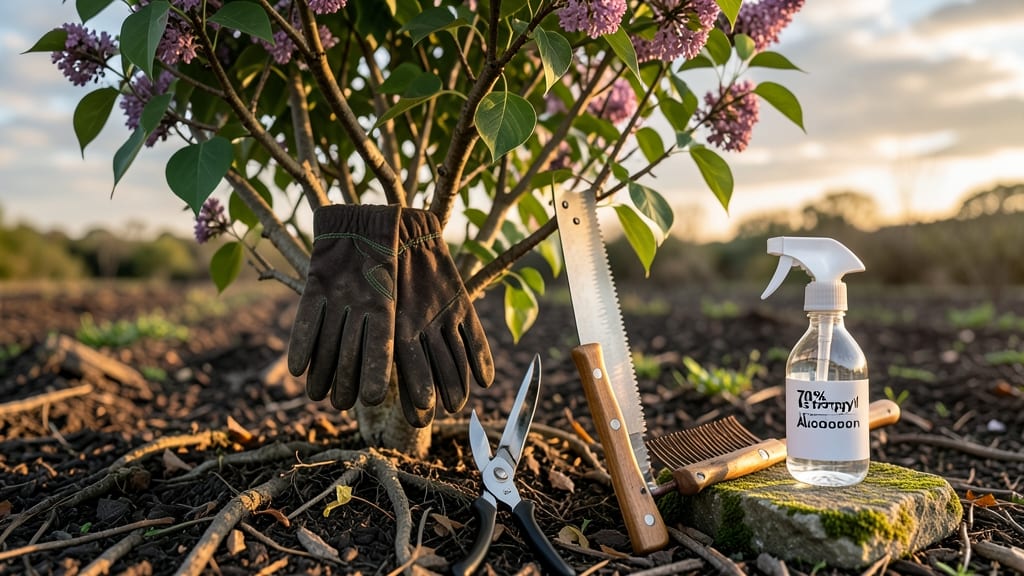
You can cut a lilac bush back to the ground in extreme cases, but this drastic pruning should only happen if the plant is diseased, completely dead, or severely overgrown. Always prune right after flowering to preserve next year's blooms, then fertilize to encourage strong regrowth. Never perform this aggressive cut on young or healthy bushes.
Lilacs are resilient but not invincible—radical pruning forces them to regrow from the base, which can take 1-2 years for full recovery. The key is timing: pruning too early removes next year's flower buds, while waiting too late risks stunted growth.
I recommend using a balanced 10-10-10 fertilizer after cutting to provide essential nutrients during regrowth. For diseased bushes, sterilize your tools between cuts to prevent spreading pathogens. 💫
What many gardeners don't realize is that lilacs store energy in their roots, which is why they can bounce back from severe cuts—but this process depletes their reserves.
If your bush is otherwise healthy, gradual annual pruning (removing 1/3 of old wood) is far less stressful and maintains better blooms. Think of aggressive pruning as a last-resort reset button, not a routine maintenance tool.
💡 In This Article
- When and Why to Prune Lilac Bushes Aggressively
- Step-by-Step Guide to Reviving a Severely Pruned Lilac
When and why to prune lilac bushes aggressively
Lilac bushes rely on dormant buds located along their stems to produce new growth and flowers. These buds form in late summer after flowering, meaning aggressive pruning before this window removes next year's blooms.
The plant's ability to regenerate from the ground depends on its root system's stored energy—typically enough for 1-2 years of recovery, but this depletes reserves. Think of it like a marathon runner hitting the reset button: they can recover, but it takes time and proper fuel.
Science shows that lilacs produce new shoots from buds located at the base of the stems, about 1/4 inch above soil level. When you cut to the ground, you're forcing the plant to rely entirely on these basal buds, which can be risky if the root system is weak.
The ideal time for drastic pruning is late spring or early summer, right after flowering but before bud formation begins. This timing ensures the plant has energy to regrow while still allowing time for new buds to develop for next season.
Signs that drastic pruning is necessary include dead wood (brown, brittle branches that snap easily), fungal infections (black spots, powdery mildew), or when the bush becomes so overgrown that it looks like a tangled mess with no clear structure.
Diseased plants especially benefit from aggressive pruning to remove infected tissue, but always sterilize your pruners with 70% isopropyl alcohol between cuts to prevent spreading pathogens. The goal is to remove all dead or diseased wood while leaving healthy stems to regenerate.
What most gardeners overlook is how lilacs respond to stress. While they can regrow from the ground, the shock of such drastic pruning often results in reduced flowering for 1-2 years as the plant redirects energy to leaf and stem growth.
This is why many experts recommend gradual renewal pruning—removing 1/3 of old wood annually—rather than cutting everything back. The plant's natural growth habit makes it better suited for slow, strategic pruning than dramatic resets.
Consider the lilac's natural lifecycle: in the wild, these shrubs can live for 50-100 years with minimal intervention. Their resilience comes from this slow, steady growth pattern.
When you cut to the ground, you're essentially forcing the plant into a juvenile growth phase, which can be beneficial for rejuvenation but requires careful post-pruning care. This includes deep watering (1-2 inches per week) and applying balanced fertilizer (10-10-10 ratio) to support the new growth spurt.
For visual reference, imagine a lilac bush as a tree with multiple trunks: each stem is like a smaller tree with its own energy reserves.
Cutting to the ground is like removing all the branches and forcing the tree to regrow from its roots—a process that works but requires patience and proper care. The key is understanding that this isn't routine maintenance; it's a stressful reset that should only be done when absolutely necessary. 🌿