
Shrubs
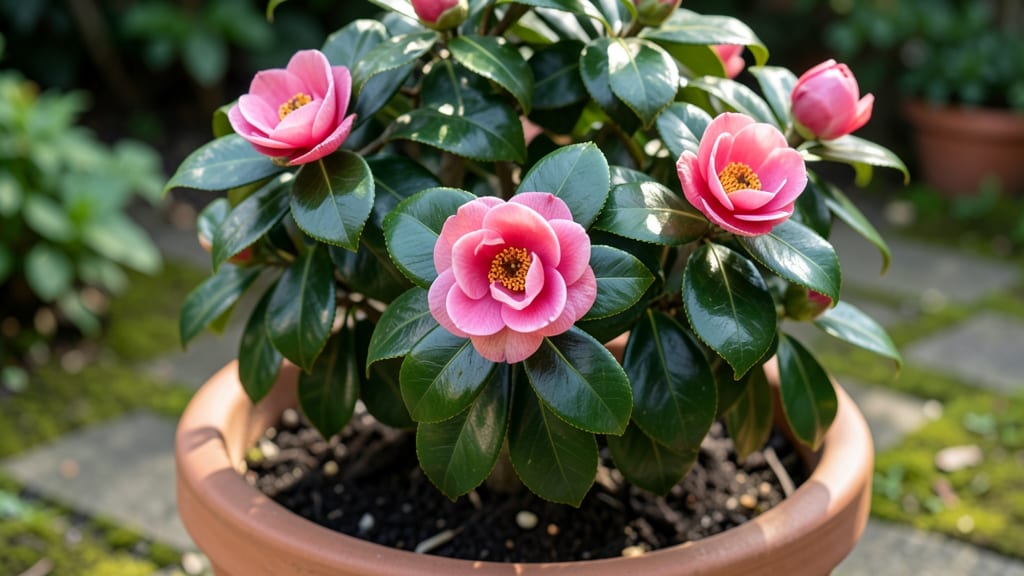
Camellia bushes thrive best in USDA Zones 7 through 10, where winter temperatures typically stay between 10°F and 20°F (-12°C to -7°C). Hardy varieties like Camellia sasanqua can survive as far north as Zone 6, while delicate types in Zone 7 often need winter protection.
Understanding your camellia bush zone is key to keeping your plant healthy through winter. 🌿 Most camellias—especially the prized Camellia japonica—struggle when temperatures drop below 10°F (-12°C), as frost can damage tender leaves and buds.
The hardy Camellia sasanqua, however, handles colder snaps better, making it a top choice for gardeners in Zones 6-7. If you're pushing the limits in marginal zones, proper winter care like mulching or frost cloths can make all the difference.
Beyond zone limits, factors like soil drainage and afternoon sun exposure also influence survival. For example, a well-drained spot with afternoon shade can help camellias in Zone 7 tolerate slightly colder spells. 💛 Always check your specific variety's hardiness—some newer hybrids even claim Zone 5 tolerance with extra care!
💡 In This Article
- How Cold Temperatures Affect Camellia Bush Survival
- Extending Camellia Growth in Cold Climates: Winter Care Tips
How cold temperatures affect Camellia bush survival
Cold temperatures trigger a cascade of physiological stress in camellias, particularly when drops hit 28°F (-2°C) or lower. The glossy leaves, which contain high moisture content, freeze and develop ice crystals that rupture cell membranes. This causes the telltale brown patches you’ll see after a hard frost.
Buds are even more vulnerable—they contain concentrated sugars that act like antifreeze, but only up to a point. When temperatures plunge below 15°F (-9°C), these buds often blacken and fail to bloom, leaving your plant looking skeletal by spring.
Here’s where the species divide comes into play: Camellia japonica, the showy bloomer with thick, waxy leaves, typically succumbs to damage at 10°F (-12°C), while Camellia sasanqua, with its smaller, leathery leaves, can endure 5°F (-15°C) without severe harm.
The difference lies in their native habitats—japonica evolved in Japan’s milder coastal regions, while sasanqua thrives in Korea’s colder inland areas. Even within species, leaf thickness and waxiness correlate directly with frost tolerance, with thicker leaves insulating internal tissues better.
Roots face a different challenge: prolonged ground freezing cuts off water uptake, causing desiccation stress even if above-ground parts look intact. This is why mulching with 4-6 inches of organic matter (like shredded bark) is critical—it insulates roots by maintaining soil temperatures 5-10°F warmer than ambient air.
In marginal zones (like Zone 7), a single 20°F (-7°C) snap can kill unprotected roots, while proper mulching might save the plant entirely. The science here is simple: warmer soil equals better survival rates.
What most gardeners miss is how wind chill exacerbates damage. A calm 10°F (-12°C) night might be survivable, but with 15 mph winds, the effective temperature drops to 0°F (-18°C)sasanqua varieties.
This explains why camellias in exposed locations (like hilltops) fare worse than those sheltered by buildings or fences. Plant placement matters just as much as zone selection.
Prolonged cold snaps create another hazard: cold hardening failure. Camellias can acclimate to gradual cooling, but sudden temperature drops bypass their defenses.
For example, a plant that’s been at 40°F (4°C) for weeks might handle 20°F (-7°C), but if temps drop to 10°F (-12°C) within days, the shock can be fatal. This is why gardeners in Zones 6-7 often lose plants during early winter freezes before the ground fully freezes.
One final twist: late-season frosts after buds form can be devastating. Camellias bloom in late winter/early spring, and a 28°F (-2°C) freeze at this stage can destroy 80% of flower buds before they open.
This explains why some gardeners in Zone 7 swear by frost cloths during bloom time—even if the plant survives winter, a late frost can ruin its floral display entirely. 🌸