
Pruning
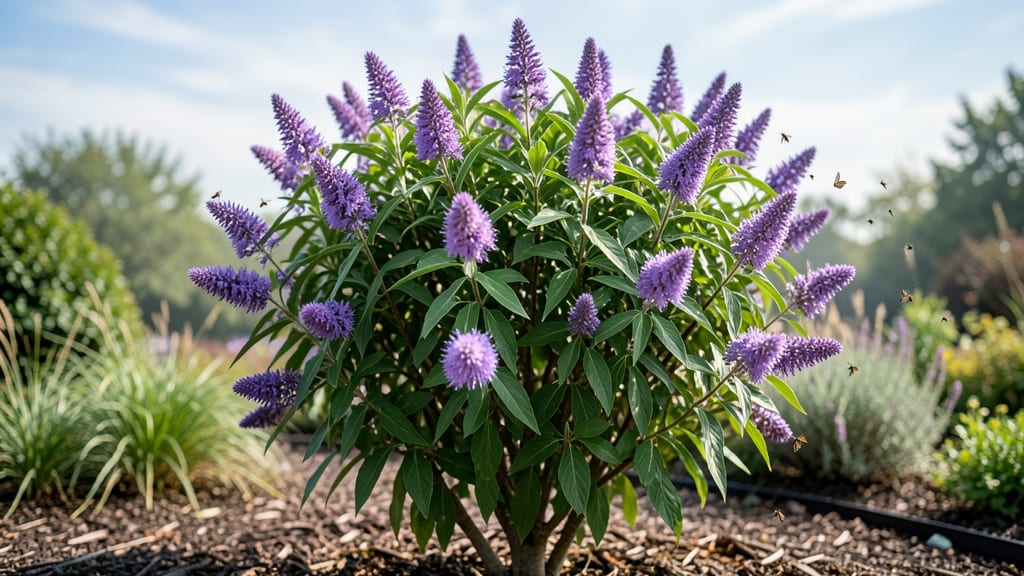
Your butterfly bush growth can transform a corner of your yard into a pollinator paradise with three simple seasonal trims—and I’ll show you exactly how. 🌿 The secret isn’t just pruning; it’s timing those cuts to coax blooms from spring through fall, even in colder climates where most plants give up by October.
I’ve watched my own bushes go from leggy and sparse to bursting with flowers after adopting this routine, and the butterflies never leave.
Start with the right spot—full sun and well-draining soil are non-negotiable. Too much shade or soggy roots mean fewer blooms, no matter how often you prune. Water deeply once a week (more in summer heat), but let the soil dry between waterings to prevent root rot.
The first trim comes in late winter, right before new growth starts—this shapes the bush and removes dead wood, setting the stage for the season ahead.
By summer, you’ll be snipping back one-third of the new growth to encourage bushier stems and more flowers. The final trim in early fall keeps the plant tidy and prevents winter damage.
Each cut feels like a promise: more blooms next season, more pollinators, and a bush that looks intentional instead of wild. The payoff? A garden that hums with wings from May until the first frost.
Works for all butterfly bush varieties, from compact ‘Lo & Behold’ to towering ‘Pink Microphone.’ Just remember: prune after blooms fade in fall to preserve next year’s flowers. Now grab those shears—your yard’s about to get a whole lot busier.
📚 In This Guide
- What you need
- Instructions
- Tips and common mistakes
- Wrapping up and next steps
What you need
- ● Pruning shears – Bypass-style (sharp, clean cuts are key!), 1 pair.
- ● Garden gloves – Heavy-duty (thorn-resistant if your bush has them), 1 pair.
- ● Disinfectant (70% isopropyl alcohol or bleach solution) – 1 small bottle (for sterilizing tools).
- ○ Garden twine or plant ties – 1 roll (optional but helpful for supporting weak stems).
- ● Compost or mulch – 5–10 gallons (for post-trim nourishment).
- ● Watering can or hose – With a gentle spray nozzle (to avoid damaging fresh cuts).
- ● Hand pruners – For smaller branches (1 pair).
- ● Loppers – For thicker stems (1 pair).
- ● Fertilizer (balanced 10-10-10 or low-phosphorus) – 1 bag (apply after trimming).
- ● Plant food with iron – 1 bottle (if leaves look pale).
- ● Garden kneeler or stool – For comfort during long sessions!
How to maintain a thriving butterfly bush through every season
Here’s how I keep my butterfly bushes blooming nonstop—just three strategic trims a year make all the difference.
✂️ Step 1: First Trim in Early Spring (Late February/March)
Start by cutting back one-third of the plant’s height—this removes dead wood and encourages fresh, vigorous growth. Look for brown, brittle stems that snap easily; these are last year’s growth and should go. I use clean, sharp pruners and make cuts just above a leaf node (where leaves or buds form) at a 45-degree angle to prevent water pooling.
This first trim is all about rejuvenation. You’ll see new shoots emerging within 2-3 weeks—that’s your signal everything’s working. Avoid cutting into green stems unless they’re damaged; those hold next year’s blooms. If your bush has multiple stems, thin out the weakest ones to improve airflow and reduce disease risk.
☀️ Step 2: Mid-Season Trim (Late June/July)
Now’s the time to shape the bush and extend the blooming season. Cut back one-third of the oldest wood—these are the stems that flowered last year. You’ll recognize them by their thicker, woody texture compared to newer, thinner growth. I like to trim just above a bud or leaf node, always leaving at least 2-3 sets of leaves on each stem.
This trim isn’t just about aesthetics—it tricks the plant into blooming again. Butterfly bushes naturally produce flowers on new wood, so removing old stems signals it’s time for another flush of blooms. You’ll notice new growth within 10-14 days, and flowers should reappear in 4-6 weeks. Water deeply after trimming to help the plant recover.
✂️ Step 3: Final Trim in Late Fall (November)
Your last trim of the year is about preparing for winter. Cut back all stems to 12-18 inches tall, removing any dead or diseased branches completely. This keeps the plant compact and manageable while reducing winter damage from heavy snow or ice. I leave 2-3 strong stems if my climate gets particularly cold (below 10°F), as they’ll provide structure for next year’s growth.
Here’s the thing—don’t skip this step. A well-trimmed bush recovers faster in spring and produces more abundant blooms the following year. After trimming, apply a 2-3 inch layer of mulch around the base to insulate roots. I also remove any fallen leaves or debris to prevent fungal issues. By late winter, you’ll see buds forming—proof your hard work paid off.
🌿 Step 4: Year-Round Care Between Trims
Butterfly bushes thrive with minimal fuss between trims. Water deeply once a week (or more in extreme heat) to encourage deep root growth. You’ll know it’s time when the top 2-3 inches of soil feel dry. Fertilize lightly in early spring with a balanced, slow-release fertilizer—I use a 10-10-10 formula at half-strength to avoid overfeeding.
Watch for pests like aphids or spider mites, especially on new growth. A strong spray of water usually does the trick, but if infestations persist, I treat with neem oil in the evening when bees aren’t active. Deadhead spent flowers occasionaly to keep the bush looking tidy, but don’t worry about it—these bushes are low-maintenance powerhouses.
Tips & tricks for perfect butterfly bush growth
Real talk: those three seasonal trims are the secret weapon for nonstop blooms—here's how to make them work even better.
Pruning Precision: In Step 1, when cutting back one-third of the plant's height, focus on removing stems that are completely brown and brittle. These are last year's growth and won't produce flowers anyway. The key is to cut just above a leaf node at a 45-degree angle—this prevents water from pooling at the cut, which can lead to rot. I always sterilize my pruners with rubbing alcohol between cuts to prevent spreading disease.
Seasonal Timing Matters: For the mid-season trim in Step 2, I wait until after the first flush of flowers has faded—usually around late June or early July. This timing ensures we're removing stems that have already bloomed while leaving enough time for new growth to develop before fall. The 10-14 days for new growth to appear is a good benchmark, but watch your specific bush—some varieties respond faster.
Winter Prep Strategy: In Step 3, when preparing for winter, I take extra care with the mulch layer. A 2-3 inch layer of organic mulch (like shredded leaves or straw) provides excellent insulation. For colder climates (below 10°F), I go the extra mile by wrapping the base of young bushes with burlap for added protection. This winter prep makes all the difference in spring recovery.
Pest Prevention: Between trims, I've found that regular inspection is key. Look for early signs of aphids or spider mites on the undersides of leaves—these pests often hide there. A strong spray of water from the hose usually knocks them off, but for persistent infestations, neem oil in the evening (when bees aren't active) works wonders. I keep a bottle ready just for this purpose.
Pro Tips for Butterfly Bush Growth
- Real talk: those three seasonal trims are the secret weapon for nonstop blooms—here's how to make them work even better.
- Pruning Precision: In Step 1, when cutting back one-third of the plant's height, focus on removing stems that are completely brown and brittle.
- Seasonal Timing Matters: For the mid-season trim in Step 2, I wait until after the first flush of flowers has faded—usually around late June or early July.
Frequently asked questions
Got questions about keeping your butterfly bush thriving?
Here are answers to the most common ones—so you can enjoy those vibrant blooms all season long!
How fast does a butterfly bush grow?
A butterfly bush (Buddleja) is a fast grower, typically adding 3 to 5 feet per year under ideal conditions. With proper care—like full sun, well-draining soil, and regular watering—you’ll see rapid vertical growth and lush foliage. Prune strategically to control its size and encourage bushier blooms!
When is the best time to trim a butterfly bush for maximum blooms?
Prune your butterfly bush three times a year for year-round flowers:
- Early spring (before new growth starts) to shape the plant and remove dead wood.
- Mid-summer (after the first flush of blooms) to promote a second flowering.
- Late fall or winter (after frost) to clean up and prep for spring.
Why isn’t my butterfly bush blooming as much as it should?
If your butterfly bush is producing fewer flowers, check these common culprits:
- Over-fertilizing with high-nitrogen fertilizer (it encourages leafy growth, not blooms). Use a balanced 10-10-10 or bloom-boosting formula instead.
- Poor pruning habits—like cutting back too late in the season or removing flower buds.
- Insufficient sunlight—butterfly bushes need at least 6 hours of direct sun daily.
- Old wood—these plants bloom on new growth, so regular pruning keeps them productive.
Can I grow a butterfly bush in a container?
Butterfly bushes thrive in containers if you choose the right variety (like the compact Buddleja ‘Lo & Behold®’) and follow these tips:
- Use a large pot (at least 15-20 gallons) with drainage holes.
- Plant in well-draining potting mix (add perlite or sand for aeration).
- Water regularly—containers dry out faster than garden beds.
- Fertilize monthly during growing season with a balanced formula.
- Move indoors or to a sheltered spot in winter if temperatures drop below 10°F (-12°C).
Are there any butterfly bush alternatives for smaller gardens?
If space is limited, try these low-maintenance, pollinator-friendly alternatives that still pack a floral punch:
- Russian Sage (Perovskia atriplicifolia) – Drought-tolerant, silvery foliage, and long-lasting lavender blooms.
- Coneflower (Echinacea) – Perennial with daisy-like flowers that attract butterflies and bees.
- Butterfly Weed (Asclepias tuberosa) – Native plant with bright orange blooms and host to monarch butterflies.
- Dwarf Butterfly Bush (Buddleja ‘Nanho Blue’) – A compact variety reaching only 3-4 feet tall.
Wrapping up and next steps
Growing a thriving butterfly bush with year-round blooms is totally within reach—just follow the three-season trimming routine! With the right tools, timing, and technique, you’ll keep your plant lush, healthy, and buzzing with pollinators. Don’t let overwhelm hold you back—start small, stay consistent, and watch your garden transform!
Ready to take the next step? Pick a sunny spot, grab your pruners, and schedule your first trim this spring! Your future blooms (and happy butterflies 🦋) will thank you.