
Watering
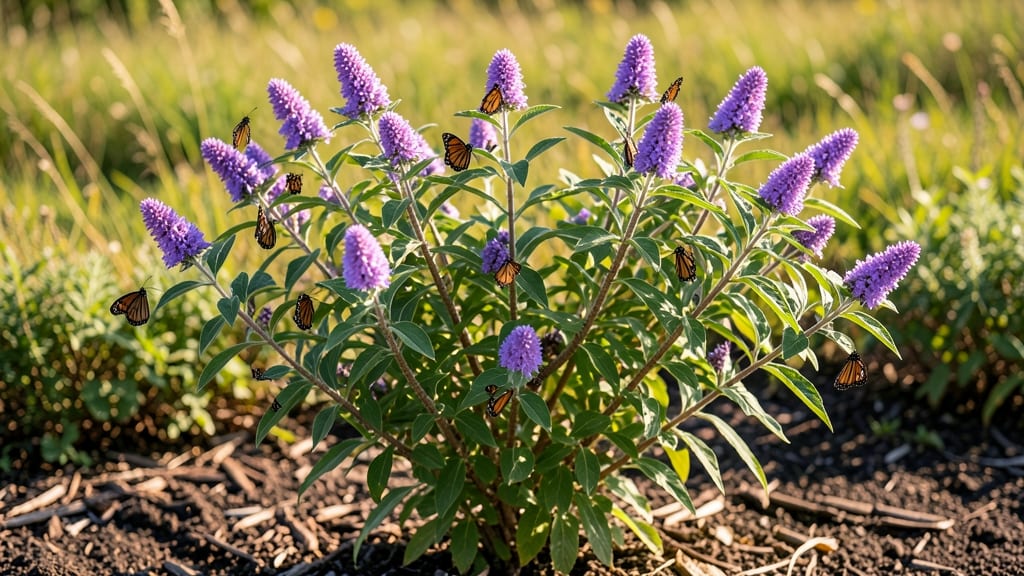
Butterfly bush thrives where others fail—drought-tolerant varieties like 'Lo & Behold' and 'Miss Molly' turn your yard into a pollinator paradise without extra watering. 🌿 I planted mine last spring, and by summer, it was covered in blooms while my thirsty neighbors' plants wilted.
The secret isn't just choosing the right variety—it's how you prep the soil and water.
Start with well-draining soil mixed with compost (no heavy clay!). These bushes hate soggy roots, so raise beds slightly if your yard stays damp. Water deeply once a week after establishment—think of it as a long drink, not frequent sips.
Mulch heavily to lock in moisture, and you'll see fewer weeds competing for what little water there is.
Pruning in late winter keeps them compact and blooming hard. Cut back one-third of the oldest stems to encourage fresh growth, and watch as new shoots burst with fragrant purple spikes. By midsummer, you'll have a bush so packed with flowers, butterflies won't know where to land first.
Even in dry climates, these bushes stay lush if you avoid overwatering (yellow leaves = too much) and protect them from late frosts. Once established, they're nearly maintenance-free—just sit back and enjoy the show. Your pollinators will thank you.
📚 In This Guide
- What you need
- Instructions
- Tips and common mistakes
- Wrapping up and next steps
What you need
- ● Drought-tolerant butterfly bush (Buddleia spp.) – Choose varieties like Buddleia davidii ‘Lo & Behold® Series’ or Buddleia alternifolia (butterfly bush alternatives). Pro tip: 💡 Opt for container-grown plants (1–3 gallons) for faster establishment.
- ○ Well-draining soil mix – 60% native soil + 30% compost + 10% perlite/pumice (for sandy or clay-heavy soils). Optional: Add 1 cup of mycorrhizal fungi to boost root resilience.
- ● Mulch – 2–3 inches of wood chips, gravel, or straw (avoid organic mulch that retains moisture).
- ○ Slow-release fertilizer – 1 lb of 10-10-10 or osmocote (apply once at planting). Optional: Liquid fish emulsion (1 tbsp/gallon) for a nutrient boost.
- ● Trowel or hand shovel
- ● Garden gloves
- ● Watering can or drip irrigation hose (with adjustable flow)
- ● Pruning shears (sterilized with rubbing alcohol)
- ○ Soil pH test kit (optional but helpful—ideal pH: 6.0–7.0)
- ● Sunlight – At least 6–8 hours of full sun daily (partial shade in hot climates).
- ● Planting location – Avoid low spots where water pools. Elevate beds if needed.
- ● Water source – Access to deep watering (1–2 gallons per plant) for the first 2 weeks, then taper to weekly deep soakings (1 gallon per plant).
- ● Pollinator-friendly zone – Plant near native wildflowers or other nectar sources to maximize butterfly activity!
Step-by-step instructions for planting and caring for drought-tolerant butterfly bush
Here's how to establish a thriving butterfly bush that survives dry spells while keeping pollinators buzzing.
🌱 Step 1: Choose the Right Location and Prepare the Soil
Select a spot with full sun—at least 6-8 hours daily—and well-draining soil. Butterfly bushes tolerate a range of soil types but perform best in slightly acidic to neutral conditions (pH 6.0-7.0). If your soil is heavy clay, amend it with 2-3 inches of compost mixed into the top 12 inches before planting.
Dig a hole twice as wide as the root ball but only as deep as the container's root base. Loosen the sides of the hole with a shovel to encourage root spread. I always water the hole thoroughly 24 hours before planting—this helps settle the soil and prevents transplant shock when roots encounter dry ground.
🪴 Step 2: Plant Your Butterfly Bush Correctly
Remove the plant from its container and gently loosen the roots if they're circling. Position the root ball so the top sits 1 inch above ground level—this prevents water from pooling around the stem and causing rot. Place the plant in the hole and backfill with native soil, tamping lightly every 2 inches to remove air pockets.
Water deeply right after planting to encourage roots to spread outward. You'll know you've done it right when the soil surface looks slightly damp but not soggy. I like to add a 2-inch layer of mulch around the base (but not touching the stem) to conserve moisture and regulate soil temperature.
☀️ Step 3: Water Deeply but Infrequently
Once established, butterfly bushes thrive on deep, infrequent watering—think 1-1.5 inches per week during dry spells. Water at the base of the plant in the morning to reduce evaporation and fungal risks. You'll see healthy growth when leaves stay deep green and crisp, not wilting or yellowing.
Real talk: Overwatering is the biggest mistake. Let the top 2-3 inches of soil dry out between waterings. If the soil feels cool and damp at that depth, hold off—your plant is storing enough moisture in its deep roots. Drought-tolerant varieties like 'Fast Draw' or 'Moonlight' handle dry conditions better than others.
✂️ Step 4: Prune Strategically for Health and Blooms
Prune in early spring (before new growth starts) to shape the plant and encourage dense blooms. Remove dead or crossing branches first, then cut back last year's growth by ⅓ to promote fresh, vigorous shoots. I always sterilize my pruners with rubbing alcohol between cuts to prevent disease spread.
For established bushes, a second light pruning in midsummer after the first flush of flowers helps trigger another round of blooms. Never prune into old wood—you'll sacrifice next year's flowers. Watch for new growth at the tips after pruning; that's your signal the plant is responding well.
🌿 Step 5: Maintain for Long-Term Pollinator Success
Fertilize lightly in early spring with a balanced, slow-release fertilizer (10-10-10). Too much nitrogen leads to leafy growth at the expense of flowers. I skip fertilizer in drought years—stressed plants need fewer nutrients. Instead, add 1-2 inches of compost around the base annually to replenish organic matter.
Monitor for pests like aphids or spider mites, which thrive in dry conditions. A strong blast of water usually removes them, but severe infestations may require neem oil. The more flowers your bush produces, the more butterflies and bees it attracts—aim for continuous blooms from early summer through fall.
Tips & tricks for perfect butterfly bush planting and care
Took me a while to figure these out, so here goes—avoid the common pitfalls that ruin even the hardiest plants.
Location and Soil Prep: The 6-8 hours of daily sun requirement isn't negotiable—partial shade will turn your butterfly bush into a leafy monster with few flowers. I've learned the hard way that even morning sun isn't enough; you need that intense afternoon heat for proper blooming. For soil pH, grab a testing kit from your local garden center—most home test kits are accurate enough to guide your compost additions. If your soil is heavy clay, don't just add compost on top—mix that 2-3 inches into the top 12 inches to really improve drainage.
Planting Depth Secret: That 1-inch above ground level rule is critical for preventing rot. I once planted mine too deep and spent weeks watching it struggle before realizing the stem was suffocating. When backfilling, tamp every 2 inches to eliminate air pockets—this helps roots establish faster. Pro tip: If your native soil is rocky, mix in some sand to improve texture without altering the pH too much.
Watering Wisdom: The 1-1.5 inches per week guideline assumes normal summer conditions. During heatwaves, you might need to water every 5-6 days instead of weekly. I check soil moisture by sticking my finger 2-3 inches down—if it feels cool and damp, hold off. For new plants, the 24-hour pre-watering trick is a game-changer; it prevents that initial transplant shock when roots hit dry soil.
Pruning Precision: That ⅓ cut back on last year's growth might sound arbitrary, but it's based on how butterfly bushes naturally regenerate. I mark my pruning cuts with a piece of tape before making them—this helps visualize the ⅓ reduction. For the midsummer trim, I wait until about 20% of flowers have faded; this gives you the second flush without sacrificing too many blooms early on.
Pro Tips for Butterfly Bush Drought Tolerant
- Took me a while to figure these out, so here goes—avoid the common pitfalls that ruin even the hardiest plants.
- Location and Soil Prep: The 6-8 hours of daily sun requirement isn't negotiable—partial shade will turn your butterfly bush into a leafy monster with few flowers.
- Planting Depth Secret: That 1-inch above ground level rule is critical for preventing rot.
Frequently asked questions
How often should I water a drought-tolerant butterfly bush once established?
Once fully established (after the first year), water your butterfly bush deeply but infrequently—about once every 1-2 weeks during dry spells. Young plants need more frequent watering (weekly) to develop strong roots. Always water at the base to avoid wetting leaves, which can attract pests.
How long does it take for a butterfly bush to become drought-tolerant?
Patience is key! A butterfly bush typically takes 12-18 months to fully establish its deep root system and become drought-tolerant. During this time, mulching (2-3 inches of organic mulch) helps retain moisture and speeds up the process.
What are some drought-tolerant alternatives to butterfly bush?
If you’re looking for other low-water, pollinator-friendly plants, consider:
- Buddleia alternifolia (non-invasive butterfly bush variety)
- Lavender (drought-resistant and fragrant)
- Russian sage (Perovskia) (tough, silvery foliage)
- Coneflower (Echinacea) (great for bees and butterflies)
Why are my butterfly bush leaves turning brown in drought conditions?
Brown leaves on a butterfly bush usually mean underwatering or overwatering. Check the soil—if it’s bone-dry 2+ inches deep, water deeply. If soggy, reduce watering and improve drainage. Prune browned leaves to encourage new growth, but avoid cutting back more than 1/3 of the plant at a time.
Can butterfly bushes survive extreme heat waves?
Yes, but they need extra care! During heat waves, provide morning sun and afternoon shade if possible. Mulch heavily to retain moisture, and water early in the morning to reduce evaporation. Avoid fertilizing during droughts—it stresses the plant. Most varieties bounce back once temperatures drop.
Wrapping up and next steps
Transforming your garden into a vibrant, pollinator-friendly oasis doesn’t have to mean sacrificing water!
The butterfly bush proves that beauty and sustainability go hand in hand—its drought-tolerant nature makes it a low-maintenance superstar for attracting butterflies, bees, and hummingbirds while conserving precious resources. 🌿✨ Whether you’re a seasoned gardener or just starting, this resilient plant offers effortless charm and ecological benefits.
Ready to plant your own drought-smart haven? Start by choosing the perfect variety for your climate, prepping your soil, and giving your butterfly bush the right care to thrive. Next, explore our guide on pruning techniques to keep your bush lush and blooming year after year!