
Pests and Diseases
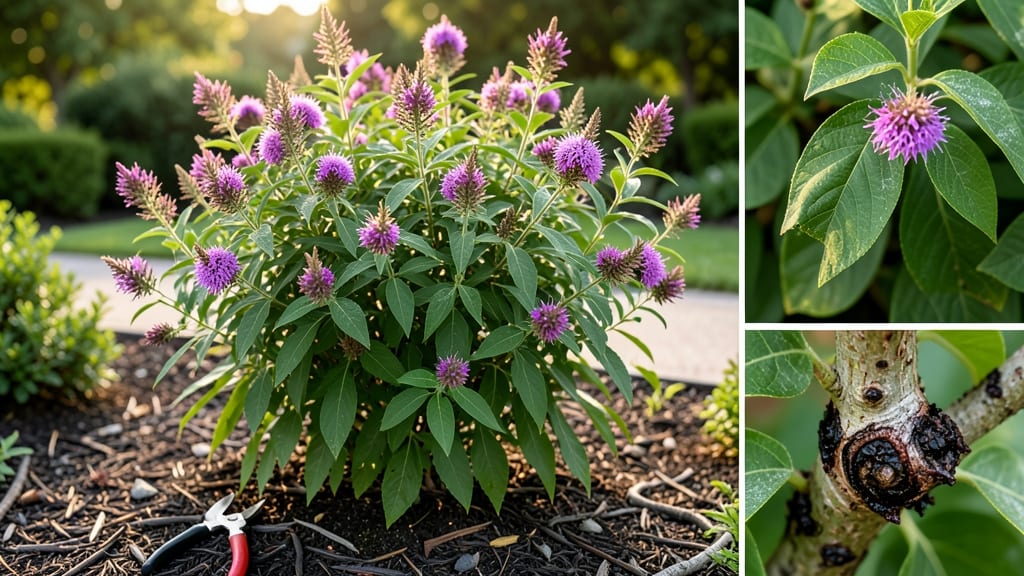
Seeing butterfly bush disease pictures of your once-vibrant purple blooms covered in spots or wilting can be heartbreaking—but catching the problem early makes all the difference. 🌿 I’ve spent years diagnosing these 12 common ailments, and the key to saving your bush is recognizing the symptoms before they spread.
From powdery white coatings to blackened stems, each disease leaves a distinct fingerprint on your plant.
Most butterfly bush diseases start with stress—too much water, poor airflow, or weak roots. Powdery mildew, for example, thrives in humid shade, while root rot gnaws away underground when soil stays soggy.
The good news? Early detection means organic fixes like neem oil, copper sprays, or simply adjusting watering habits can turn things around.
You’ll learn to spot the warning signs—yellowing leaves, weird spots, or stunted growth—and how to treat them without harsh chemicals. Think of this as your visual troubleshooting guide, with clear descriptions that match what you’ll see in your own yard. No more guessing what’s wrong with your butterfly bush.
Whether you’re a beginner or a seasoned gardener, this guide helps you act fast. Prevention is easier than cleanup, and with these organic solutions, your butterfly bush will bounce back stronger than ever. Let’s get those blooms thriving again!
Underlying Causes Of Butterfly Bush Ailments
Butterfly bushes (Buddleia davidii) are hardy plants, but they’re not immune to disease. Understanding why these issues arise helps you prevent them before they take hold. Below, we break down the most common causes—from fungal infections to pest invasions—with science-backed explanations and actionable insights.
Fungal diseases thrive in moist, warm conditions and often strike when butterfly bushes experience stress. Here’s how they gain a foothold:
- Overhead Watering 💦 Fungi like Botrytis blight and powdery mildew spread via water droplets that splash onto leaves, creating ideal conditions for spores to germinate. Action: Water at the base (not overhead) and avoid late-day watering to allow foliage to dry quickly.
- Poor Air Circulation 🌬️ Dense plantings or crowded branches trap humidity, fueling Septoria leaf spot and anthracnose. Action: Prune for airflow and space bushes at least 3–5 feet apart.
- Weakened Plant Immunity 🛡️ Stress from drought, nutrient deficiencies (especially phosphorus or potassium), or root damage makes plants vulnerable. Action: Test soil pH (ideal: 6.0–7.0) and fertilize with a balanced 10-10-10 formula in early spring.
💡 Pro Tip: Remove infected leaves immediately and dispose of them in the trash (not compost)—fungal spores can survive in compost piles!
Pests like spider mites, aphids, and scale insects don’t just nibble—they transmit viruses and excrete honeydew, which promotes sooty mold. Here’s how they take over:
- Drought Stress 🌞 Dry conditions weaken plants, making them easier targets for spider mites (which thrive in arid environments). Action: Mulch with 2–3 inches of organic material (like wood chips) to retain moisture.
- Over-Fertilization 🌱 Excess nitrogen (common in fast-release fertilizers) attracts aphids and whiteflies, which feed on new growth. Action: Use slow-release fertilizers and follow package rates.
- Lack of Beneficial Predators 🐞 Pests like ladybugs and lacewings keep populations in check. If your garden lacks biodiversity, pests multiply unchecked. Action: Plant companion flowers (e.g., marigolds, dill) to attract natural predators.
✨ Quick Fix: Blast pests off leaves with a strong stream of water in the morning—this dislodges eggs and adults before they cause damage.
Extreme weather, soil issues, or improper care create openings for disease. Here’s what’s really happening:
| Stressor | How It Causes Disease | Solution |
|---|---|---|
| Compacted Soil 🏗️ | Poor drainage leads to root rot (caused by Phytophthora fungi) and stunted growth. | Amend soil with compost and avoid walking on garden beds. |
| Sudden Temperature Shifts ❄️☀️ | Cold snaps followed by warm spells stress plants, making them susceptible to powdery mildew. | Mulch heavily in fall and avoid pruning late in the season. |
| Improper Pruning ⚔️ | Cutting too late in the season or using dirty tools spreads bacterial leaf spot. | Prune in early spring with sterilized shears and seal cuts with pruning paint. |
🎯 Key Takeaway: Most butterfly bush diseases are opportunistic. By addressing these root causes—proper watering, airflow, and soil health—you’ll create an environment where pests and fungi struggle to survive.
Fixing Butterfly Bush Woes
Revitalizing your butterfly bush starts with identifying the root of the problem—whether it’s fungal infections, pest invasions, or environmental stress. Below is a practical, step-by-step guide to diagnosing and treating the most common butterfly bush diseases, plus prevention tips to keep your plant thriving.
---
Fungal diseases like powdery mildew, leaf spot, and root rot thrive in damp, humid conditions. Here’s how to tackle them:
#### 🔥 Remove Infected Areas - Snip off yellowing, spotted, or mushy leaves/stems with sterilized pruners (wipe with rubbing alcohol between cuts). - Dispose of debris in the trash—not your compost bin—to prevent reinfection.
#### 🍳 Apply Fungicide - For powdery mildew or leaf spot: Spray with a copper-based fungicide (like Copper Soap) or neem oil solution (1 tbsp neem oil + 1 quart water + a drop of dish soap).
Reapply every 7–10 days until symptoms fade. - For root rot: If the soil smells sour or roots are mushy, repot the bush in fresh, well-draining soil mixed with perlite or sand. Avoid overwatering moving forward.
#### 🌡️ Improve Airflow & Light - Space plants 3–5 feet apart to reduce humidity buildup. - Prune for sunlight: Thin out dense foliage to let air circulate and sunlight reach inner branches.
💡 Pro Tip: Water in the early morning so leaves dry quickly—fungi love damp foliage!
---
Tiny invaders like aphids, spider mites, and scale insects suck sap, causing stunted growth and sticky residue. Here’s how to evict them:
#### 👨🍳 Blast Them Off - Strong water spray: Hose down the bush with forceful water (early morning works best) to knock off aphids and mites. - Neem oil spray: Mix 1 tbsp neem oil + 1 tsp mild soap + 1 quart water and spray both sides of leaves (reapply every 5–7 days).
#### 🔪 Introduce Beneficial Insects - Ladybugs or lacewings (available at garden centers) are natural predators. Release them in the early evening when pests are active.
#### 🌿 Prune & Clean - Remove heavily infested branches and wipe leaves with a damp cloth dipped in soapy water (1 tsp dish soap per gallon of water).
✨ Prevention: Inspect new plants before bringing them home—quarantine them for a week to spot hitchhiking pests.
---
Butterfly bushes wilt or develop weak growth when overwatered, underwatered, or planted in compacted soil. Fix it fast:
#### 💧 Adjust Your Watering Routine - Check soil moisture: Stick your finger 1–2 inches deep—water only if it’s dry. Butterfly bushes tolerate drought once established but hate soggy roots. - Improve drainage: Amend heavy clay soil with compost or peat moss to prevent waterlogging.
#### 🌱 Fertilize Smartly - Use a balanced, slow-release fertilizer (10-10-10 or 20-20-20) in early spring.
Avoid high-nitrogen fertilizers—they promote leafy growth at the expense of flowers. - Mulch properly: Apply 2–3 inches of mulch (wood chips or pine straw) to retain moisture but keep it 2 inches away from the stem to prevent rot.
🎯 Prevention: Plant in well-draining soil and choose a spot with 6+ hours of sunlight—partial shade invites fungal issues.
---
- Prune for health: Cut back dead, diseased, or crossing branches in late winter or early spring to encourage new growth. - Boost immunity: Feed with a low-nitrogen, high-phosphorus fertilizer (like 5-10-5) to strengthen roots and flowers. - Monitor regularly: Check undersides of leaves and new growth weekly for early signs of trouble.
--- Remember: Early action is key! The sooner you spot and treat issues, the faster your butterfly bush will bounce back—and those vibrant blooms will return in no time. 🌸
Frequently asked questions
What does powdery mildew look like on butterfly bushes?
Powdery mildew appears as a white, dusty coating on leaves, stems, and flower buds. It starts as tiny white spots that spread and thicken, often appearing on the undersides of leaves first. The infected areas may turn yellow or brown over time if left untreated.
How can I tell if my butterfly bush has root rot?
Root rot shows as yellowing leaves, wilting despite moist soil, and a sour smell when you dig near the roots. Check the roots—healthy ones are firm and light brown, while rotten roots are mushy, dark brown/black, and may crumble easily.
Are butterfly bushes prone to bacterial leaf spot?
Yes, butterfly bushes can develop bacterial leaf spot, which appears as small, water-soaked spots that turn brown or tan with yellow halos. These spots often have ragged edges and may merge into larger blotches. Prune infected areas immediately and avoid overhead watering.
Can I save a butterfly bush with severe pest damage?
Even with heavy pest damage, your butterfly bush can recover! Start by hosing off pests with water, then apply neem oil or insecticidal soap. Prune back severely damaged branches and fertilize with a balanced formula to help it rebound. Monitor closely for 2-3 weeks.
Why do my butterfly bush leaves turn black?
Blackened leaves usually indicate fungal infections (like anthracnose or sooty mold) or bacterial leaf spot. Check for other symptoms: powdery coatings (mildew), sticky residue (sooty mold from sap-sucking pests), or water-soaked spots (bacterial issues). Treat with fungicide and improve airflow.