
Vegetables
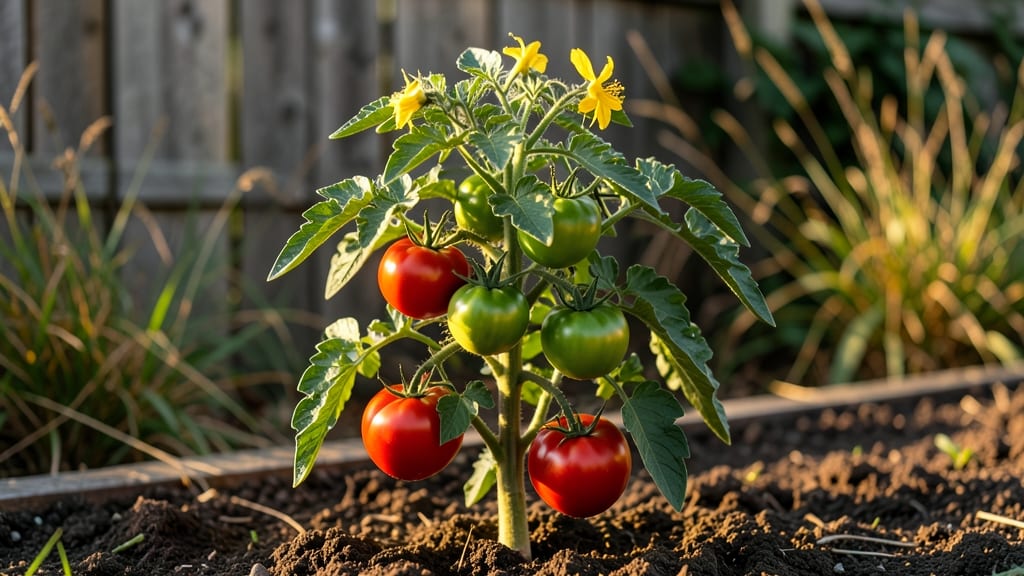
Growing the Bushsteak hybrid tomato means beefsteak-sized fruit on a compact bush—no sprawling vines or staking nightmares. 🌱 I’ve grown this variety for three seasons, and it’s become my go-to for heavy harvests in small spaces. The secret?
It thrives in containers, needs minimal pruning, and keeps producing until frost. This tomato packs 3-4 pound fruits with classic beefsteak flavor, but without the vine sprawl. You’ll need full sun (6-8 hours daily), well-draining soil, and consistent moisture—no fancy equipment, just a 5-gallon container or raised bed spot.
The compact growth habit makes it perfect for balconies, patios, or crowded gardens. By midsummer, you’ll be picking ripening fruit every 3-5 days, and the plants keep going until fall. The flavor deepens as they ripen, and you’ll get more tomatoes per square foot than with traditional beefsteaks.
Just watch for early blight and keep leaves dry. Works in containers, raised beds, or in-ground—even in cooler climates if you start early. Here’s how to maximize every harvest.
📚 In This Guide
- What you need
- Instructions
- Tips and common mistakes
- Wrapping up and next steps
What you need
- ● Seeds or Seedlings: 3–5 Bushsteak Hybrid Tomato seeds or healthy seedlings (check for disease resistance if possible).
- ● Containers or Garden Beds: 5-gallon pots (1 per plant) or
- ● Well-draining soil in raised beds (12" deep, 18" spacing between plants).
- ● Potting Mix: 1 bag of high-quality, sterilized organic potting mix (avoid garden soil to prevent pests).
- ● Fertilizer: Balanced organic fertilizer (10-10-10 or compost) or
- ● Slow-release tomato-specific granules (follow package rates).
- ● Support System: 3–4 ft. tall tomato cages or sturdy stakes (2–3 ft. tall) + twine.
- ● Watering Supplies: Watering can or drip irrigation kit (for consistent moisture).
- ● Mulch (straw or shredded leaves) to retain soil moisture.
- ● Pruning Tools: Sharp bypass pruners (sterilized with rubbing alcohol).
- ● Grow lights (if starting indoors or extending the season).
- ● Soil pH test kit (ideal range: 6.0–6.8).
- ● Compost tea or mycorrhizal fungi for extra nutrient boost.
- ● Row covers (to protect from early frost or pests).
- ● Harvest basket or knife (for easy picking!).
Step-by-Step instructions for growing Bushsteak Hybrid tomatoes
Here's how I grow these beefsteak-sized tomatoes without the sprawling vines—perfect for containers or small spaces.
🌱 Step 1: Start Seeds Indoors for Early Productivity
Plant Bushsteak seeds 6-8 weeks before your last frost date in 2-3 inch deep biodegradable pots filled with sterile seed-starting mix. These tomatoes thrive when given a strong head start, so I always begin indoors under grow lights to avoid leggy seedlings. Press seeds ¼ inch deep—any deeper and they’ll struggle to break through the soil.
Keep the soil consistently moist but never soggy. A humidity dome speeds germination at 75-85°F, and you’ll see sprouts in 5-10 days. Once seedlings emerge, remove the dome immediately to prevent damping-off. Watch for first true leaves (the second set after the initial cotyledons) before transplanting.
☀️ Step 2: Harden Off and Transplant for Maximum Yield
Two weeks before your last frost, move seedlings outdoors for 1-2 hours daily, gradually increasing exposure. Bushsteak tomatoes need full sun (6-8 hours daily) and strong stems to support their 1-pound+ fruit. Transplant when nighttime temperatures stay above 50°F and seedlings have 3-4 true leaves. Bury stems deeper than the original pot to encourage root growth.
Space plants 18-24 inches apart in well-draining soil amended with compost. These tomatoes hate competition, so prune suckers (the shoots in the leaf axils) regularly to direct energy into fruit production. You’ll know you’re on track when plants flower within 4-6 weeks of transplanting.
💧 Step 3: Water and Feed for Heavy Fruit Production
Water deeply once a week, aiming for 1-1.5 inches of moisture at the soil surface. Bushsteak tomatoes need consistent hydration to prevent blossom-end rot, but avoid wetting leaves to reduce disease risk. I use drip irrigation to keep foliage dry while delivering water directly to the roots.
Fertilize every 2-3 weeks with a balanced tomato fertilizer (10-10-10) once flowers appear. These tomatoes are heavy feeders, so I switch to a low-nitrogen, high-phosphorus formula when fruit sets to boost size. Watch for dark green leaves and sturdy stems—a sign the plant is thriving and ready for harvest.
✂️ Step 4: Prune and Support for Disease Resistance
Prune suckers weekly to improve airflow and reduce disease. Leave 2-3 main stems for container growing or 4-5 stems in-ground to balance yield and support. Use cages or stakes to prevent sprawl, as these tomatoes can reach 4-5 feet tall even in bush varieties.
Remove lower leaves that touch the soil to prevent rot. When fruit reaches golf-ball size, thin clusters to 3-4 tomatoes per stem—this ensures larger, sweeter fruit. Harvest when tomatoes turn deep red and slightly soft to touch, usually 70-80 days after flowering. Regular pruning keeps plants productive until frost.
Tips & tricks for growing Bushsteak Hybrid tomatoes
Between us, these tomatoes are game-changers for small spaces—but only if you nail the details. Here's what I've learned after growing them for three seasons straight.
Seed Starting Precision: The 6-8 week indoor start time is non-negotiable for your climate zone. I use a seedling heat mat set to maintain 75-85°F during germination—this cuts sprouting time from 10 days to just 5-7 days. The key is that consistent warmth without overwatering. Too much moisture at this stage causes damping-off, and you don't want to lose your seedlings before they even start.
Transplanting Technique: When you bury stems deeper than the original pot in Step 2, you're essentially creating a stronger root system. I've found that pushing stems down 2-3 inches below soil level (while keeping leaves above ground) gives plants the extra stability they need to support those 1-pound+ tomatoes. This is especially critical for container growing where wind can be an issue.
Fertilizer Timing: The switch from balanced 10-10-10 to low-nitrogen, high-phosphorus when fruit sets makes all the difference. I make this transition when I see the first golf-ball sized tomatoes forming—usually around week 6 after transplanting. The phosphorus boost helps develop those heavy fruits while preventing leafy growth that would compete with fruit production. Think of it as giving your plants a growth hormone injection for bigger tomatoes.
Pruning Strategy: In Step 4, when thinning clusters to 3-4 tomatoes per stem, I actually go one step further: I remove the smallest tomato in each cluster. This might seem counterintuitive, but it allows the remaining tomatoes to grow larger by directing all the plant's energy to fewer fruits. The trade-off is fewer tomatoes, but each one will be noticeably bigger and sweeter—worth the sacrifice for these bush varieties.
Pro Tips for Bushsteak Hybrid Tomato
- Between us, these tomatoes are game-changers for small spaces—but only if you nail the details.
- Seed Starting Precision: The 6-8 week indoor start time is non-negotiable for your climate zone.
- Transplanting Technique: When you bury stems deeper than the original pot in Step 2, you're essentially creating a stronger root system.
Frequently asked questions
Got questions about growing the Bushsteak Hybrid Tomato? You’re not alone!
This compact, high-yielding variety packs a punch, but every gardener hits snags. Below, we tackle the most common queries—from planting to troubleshooting—so you can grow like a pro.
How long does it take for Bushsteak tomatoes to produce fruit?
The Bushsteak Hybrid typically starts flowering 50–60 days after transplanting (or 60–70 days from seed). First fruits usually ripen in 70–80 days—earlier than many heirlooms! For year-round harvests, succession plant every 2–3 weeks in warm climates.
Can I grow Bushsteak tomatoes in containers, and what size pot do I need?
This variety thrives in 5-gallon containers or larger (at least 12–18" deep). Use a well-draining mix with compost, and place pots in full sun (6+ hours/day). Dwarf varieties like this are perfect for balconies or small spaces—just stake or cage them for support.
What are the most common pests for Bushsteak tomatoes, and how do I prevent them?
Watch for hornworms, aphids, and whiteflies—they love Bushsteak’s lush foliage! Preventative tips:
- Neem oil spray (weekly preventative).
- Handpick hornworms (they’re camouflaged—look for black stripes!).
- Row covers for early seedlings to block pests.
- Encourage beneficial insects like ladybugs or lacewings.
Why are my Bushsteak tomatoes cracking, even though I’m watering consistently?
Cracking is common in fast-growing varieties like Bushsteak due to uneven watering or heavy rain after drought. Fix it with:
- Deep, consistent watering (1–2" per week; morning is best).
- Mulch heavily to retain moisture.
- Harvest early when tomatoes are firm but ripe (they’ll soften post-harvest).
Are there any alternatives to Bushsteak if I want a compact, high-yield tomato?
If Bushsteak isn’t your cup of tea, try these similar compact varieties:
Variety
Days to Fruit
Key Trait
Tiny Tim
55–60 days
Ultra-dwarf (3–4 ft tall), great for pots.
Patio Princess
60–65 days
Cherry tomatoes, prolific, disease-resistant.
Balcony Red
65–70 days
Small beefsteak-type, heat-tolerant.
All three are determinate (bush-type) and perfect for small spaces!
Wrapping up and next steps
The Bushsteak Hybrid tomato is a game-changer for home gardeners—packed with flavor, disease-resistant, and perfect for small spaces! 🌱 With the right care, you’ll enjoy a year-round harvest of beefsteak-sized tomatoes, whether you’re a beginner or a seasoned pro. Ready to taste the difference?
Now’s the time to roll up your sleeves—start with sturdy containers, well-draining soil, and a sunny spot. Plant your seeds today and watch your garden transform into a juicy, productive paradise! 🍅✨