
Featured
Want to turn your garden into a hummingbird haven? These 10 native bushes provide year-round nectar, shelter, and nesting sites—keeping these tiny pollinators visiting from spring through fall.
Coral Honeysuckle Vine
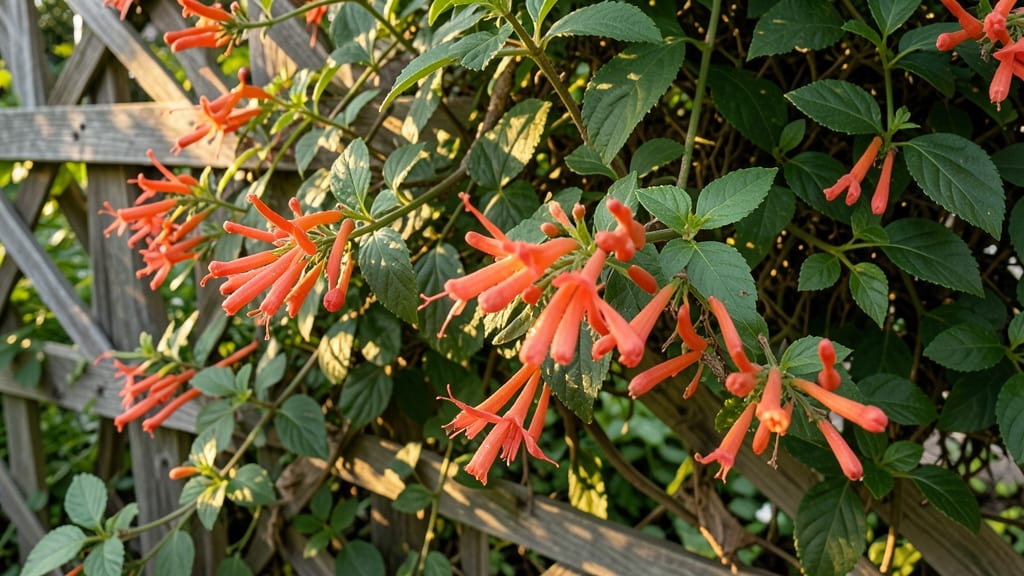
If you're looking for a low-maintenance vine that hummingbirds can't resist, coral honeysuckle is your answer. This tough perennial produces tubular red-orange flowers that bloom continuously from late spring until frost, offering a steady nectar source for your feathered visitors.
Thriving in full sun, coral honeysuckle is perfect for climbing trellises, fences, or even arbors. It tolerates drought once established and attracts not just hummingbirds but also butterflies and bees. Just be prepared for aggressive growth—this vine can spread quickly, so prune it back in early spring if needed.
Ideal for gardeners who want year-round color and pollinator support without high upkeep, coral honeysuckle is especially great for sunny borders, patios, or even container gardens with sturdy supports. 🌻
Eastern Redbud Tree
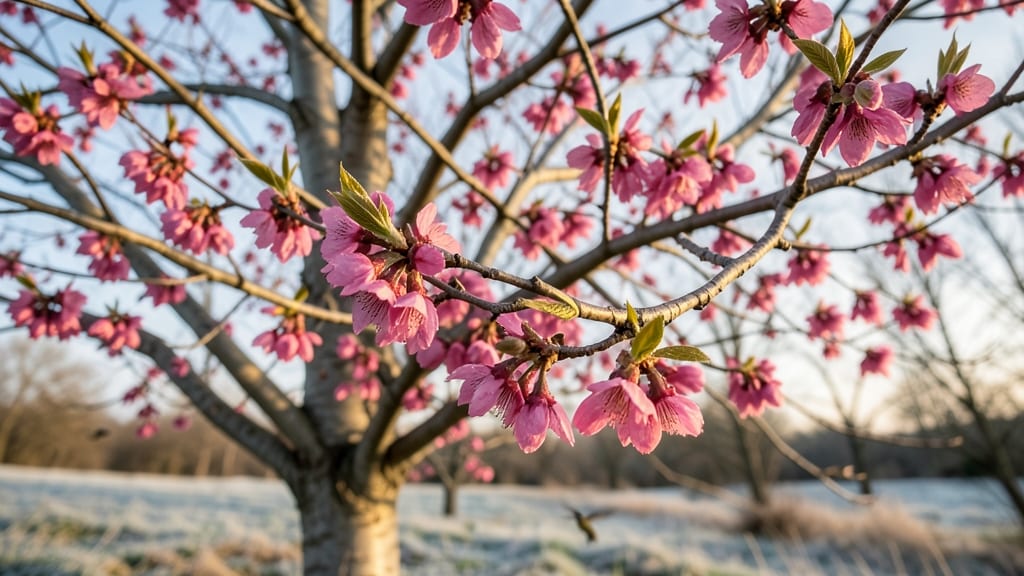
When hummingbirds wake up from their winter migration, they need early-season nectar—and the Eastern Redbud Tree delivers it in spectacular pink bursts. This small tree blooms in late winter to early spring, often before its heart-shaped leaves even appear, making it one of the first sources of food for returning pollinators.
The 20-foot-tall tree thrives in full sun to partial shade and adapts to various soil types, including clay. Its delicate flowers attract hummingbirds while providing a stunning focal point in small yards or urban gardens. After blooming, the foliage turns golden-yellow in fall, adding seasonal interest.
Perfect for gardeners with limited space, this low-maintenance tree requires minimal pruning and tolerates drought once established. Plant it near a window or seating area to enjoy its beauty—and the hummingbird visitors it brings. 🌷
Butterfly Bush
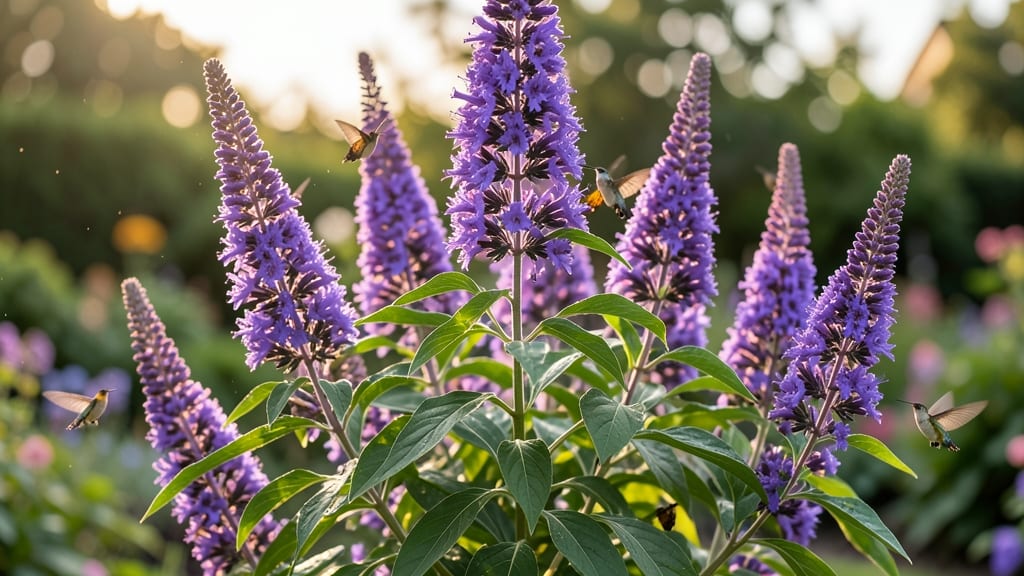
If you're looking to create a pollinator powerhouse in your garden, butterfly bush (Buddleia) is the ultimate double-duty plant. Its fragrant purple blooms aren’t just stunning—they’re packed with nectar that hummingbirds and butterflies can’t resist, making it a must-have for any wildlife-friendly landscape.
This hardy shrub thrives in full sun to partial shade, tolerates a wide range of soil types, and blooms prolifically from mid-summer to fall. Prune back by one-third in early spring to encourage bushier growth and more flowers. For best results, plant it where you can enjoy its sweet fragrance up close—just be prepared for a flurry of activity as pollinators flock to its clusters of tubular blooms.
Perfect for beginners, urban gardeners, and pollinator advocates, butterfly bush delivers year-round interest with its striking foliage and long bloom season. Plus, its adaptability makes it a low-maintenance star in any garden. 🌻
Oakleaf Hydrangea
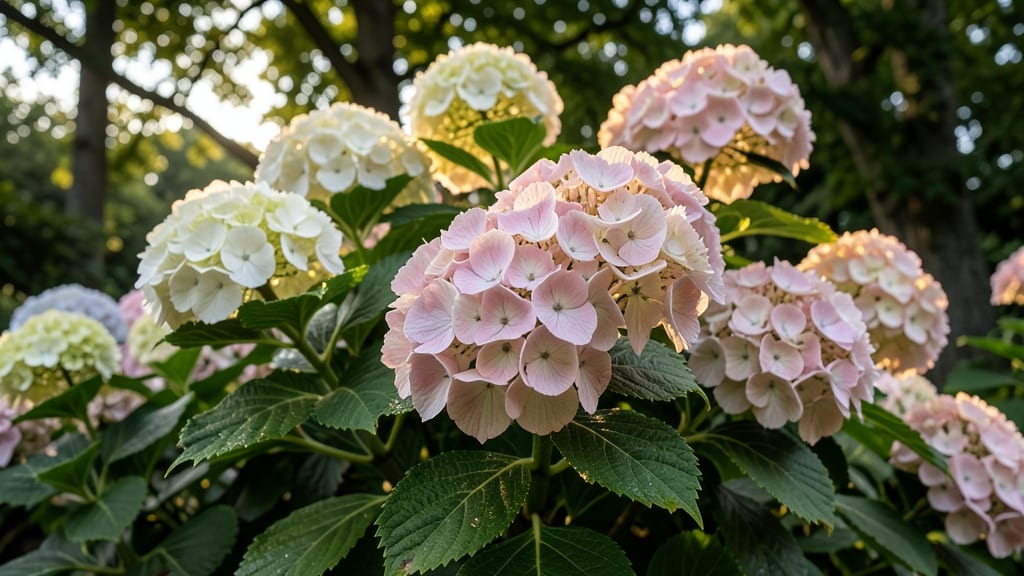
When most flowers call it quits by late summer, oakleaf hydrangea steps up with a spectacular show—its large, nectar-rich blooms transition from white to soft pink, creating a hummingbird buffet when food is scarce. This native shrub thrives in shade, making it a game-changer for woodland gardens or shady borders where other plants struggle.
Hummingbirds adore its tubular flowers, which produce abundant nectar from mid-summer through fall. Plant it where it gets morning sun and afternoon shade—it’s drought-tolerant once established and handles clay soil beautifully. The bonus? Its oak-shaped leaves add year-round interest, turning burgundy in autumn. 🌿
Scarlet Bee Balm
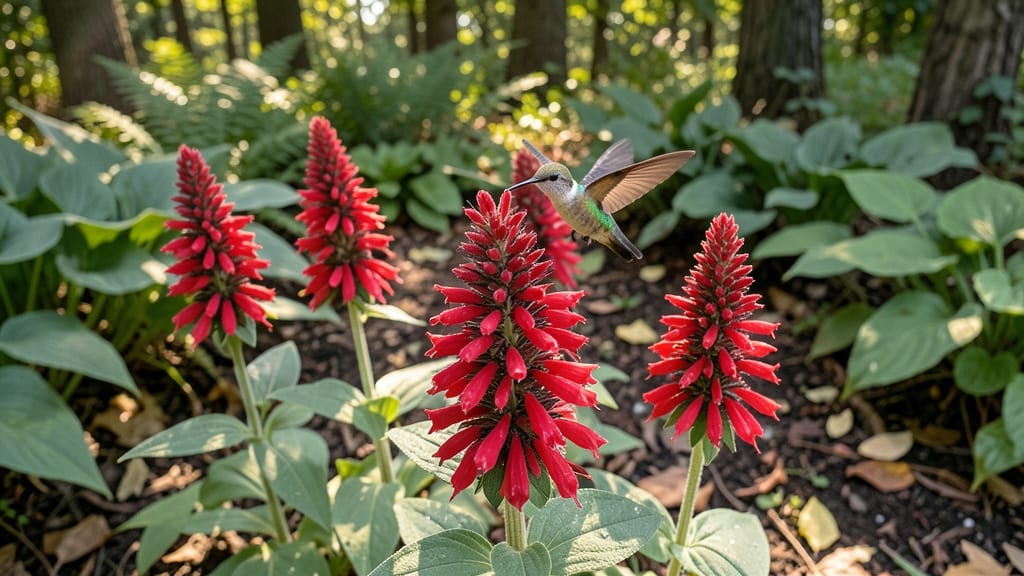
If you love watching hummingbirds dart between flowers but struggle with full-sun gardens, scarlet bee balm is your secret weapon. This hardy perennial thrives in partial shade while producing bright red tubular blooms that hummingbirds can't resist—often returning for months once they discover it.
Plant it in moist, well-draining soil and deadhead spent blooms to encourage continuous flowering from summer through fall. The self-seeding habit means you'll get free new plants each year, creating natural clusters that hummingbirds adore. Its square stems and aromatic foliage also make it a great cut flower for bouquets.
Perfect for urban gardeners with limited sun or beginners who want low-maintenance pollinator power, scarlet bee balm delivers beauty and function without the fuss. 🌻
American Beautyberry
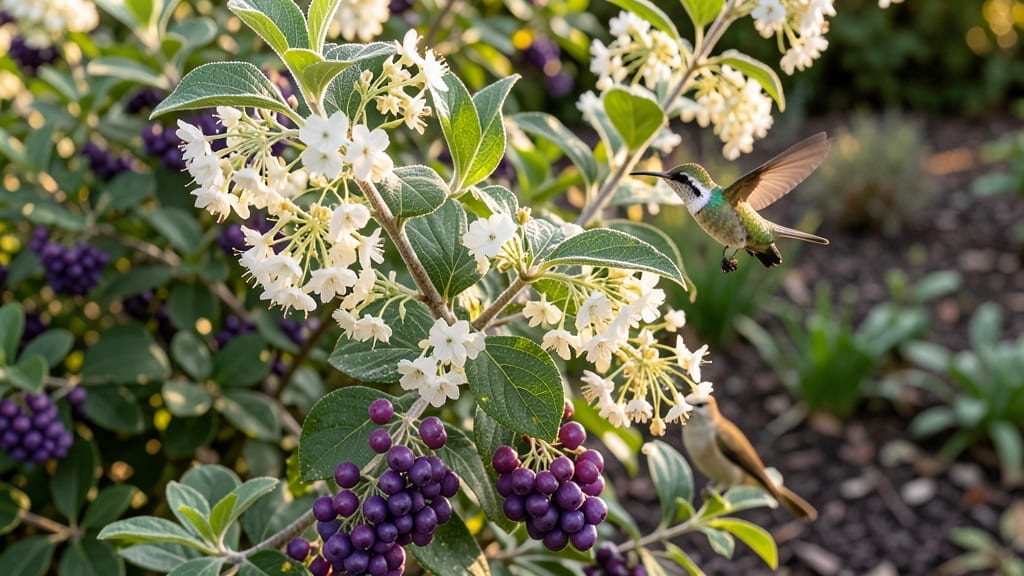
Looking for a two-in-one shrub that feeds hummingbirds and birds? American Beautyberry delivers with its delicate white flowers in summer and stunning purple berries in fall—plus, it’s drought-tolerant once established.
This native shrub thrives in full sun to partial shade and grows 3–6 feet tall, making it perfect for borders or woodland edges. Hummingbirds flock to its nectar-rich blooms in late spring, while songbirds feast on the berries later. Prune lightly after flowering to maintain shape.
Ideal for beginner gardeners and pollinator enthusiasts, it’s low-maintenance and adds year-round interest. 🌷
Virginia Sweetspire
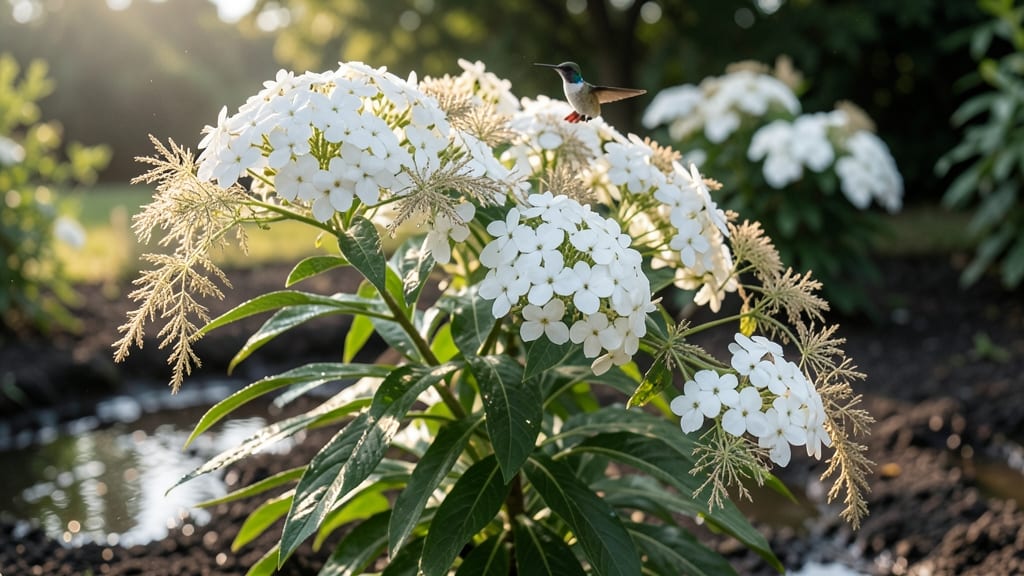
When most summer bloomers fade by July, Virginia sweetspire steps in with a fragrant display of white flowers that hummingbirds can't resist. This native shrub thrives in wet soils—making it perfect for rain gardens or areas where other plants struggle.
Its late spring to early summer blooming extends the nectar buffet when many shrubs have already finished. The delicate, wispy flowers give way to striking golden fall foliage, adding seasonal interest. Plant it in partial shade to full sun for best results.
This underrated shrub is ideal for gardeners with soggy spots who still want to attract pollinators. 🌿
Firebush
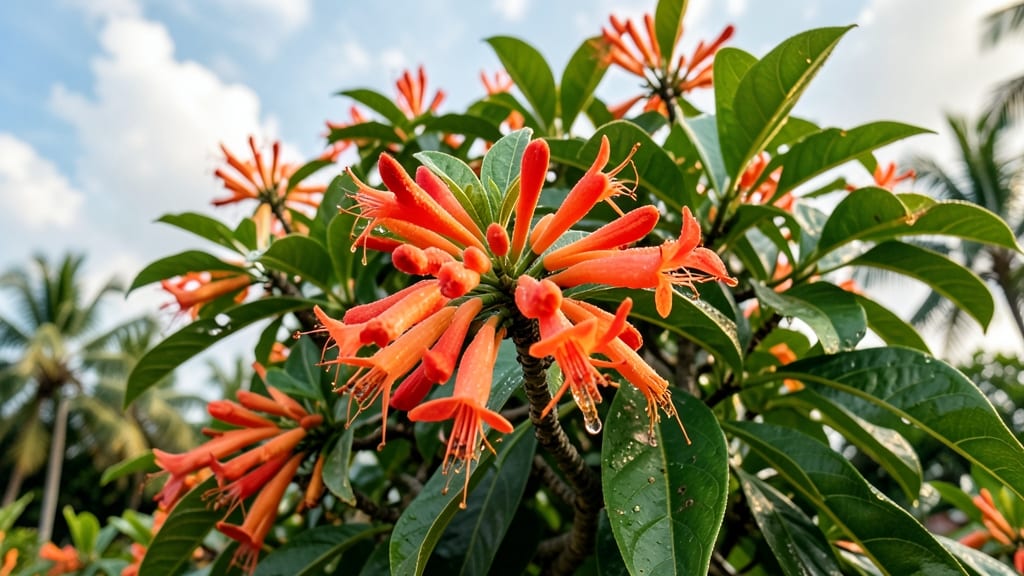
If you live in a hot, humid climate and want a plant that looks like it belongs in a tropical paradise, firebush (Hamelia patens) is your answer. This vibrant shrub produces clusters of bright red-orange tubular flowers that hummingbirds can't resist, often hovering aggressively to feed.
Firebush thrives in full sun to partial shade and handles heat and humidity better than most shrubs, making it ideal for southern gardens or large containers. It blooms year-round in warm climates and even produces small red berries that birds enjoy, adding another layer of wildlife appeal. Prune lightly after blooming to encourage more flowers.
Perfect for gardeners who want low-maintenance beauty with high pollinator value, firebush is especially great for urban containers or as a focal point in tropical-themed landscapes. 🌻
Spicebush
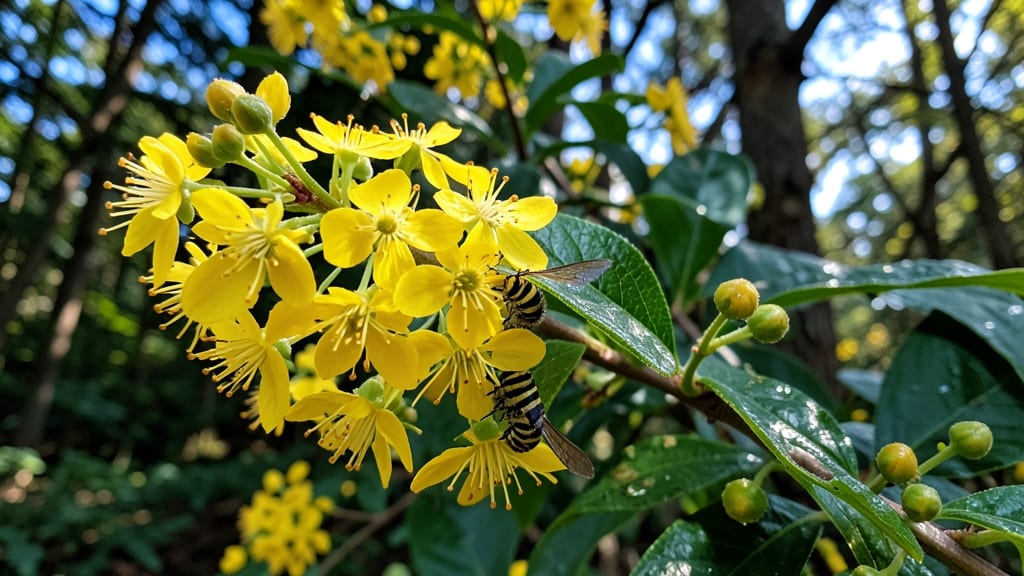
When hummingbirds arrive in early spring, they’ll find a welcome feast waiting in spicebush—one of the first shrubs to bloom with bright yellow flowers. This native plant isn’t just a nectar source; it also hosts spicebush swallowtail butterfly larvae, making it a dual-purpose powerhouse for pollinators.
Plant spicebush in partial shade to full sun and moist, well-drained soil. The fragrant flowers appear in late winter to early spring, often before many other plants wake up. Prune lightly after blooming to maintain shape, and enjoy the bonus of red berries that birds adore in fall. It thrives in woodland gardens or as a hedge.
Perfect for gardeners who want to support multiple pollinators while adding year-round interest, spicebush is especially valuable in regions where early blooms are scarce. 🌿
Dwarf Fothergilla

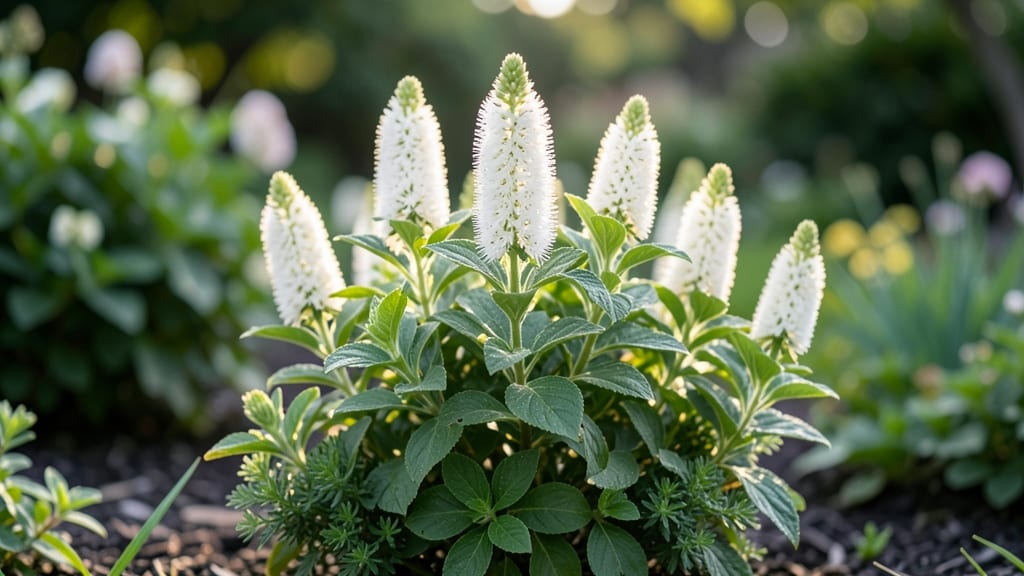
If you're working with limited garden space but still want to attract hummingbirds, the dwarf fothergilla is your perfect solution. This compact shrub grows just 3-4 feet tall, making it ideal for small yards, containers, or foundation plantings while still offering a fragrant white bottlebrush display that hummingbirds adore.
Unlike many shrubs that bloom for just a few weeks, dwarf fothergilla provides nectar from late spring through summer, giving these tiny visitors a reliable food source. The fragrant flowers also attract butterflies and bees, adding to your garden's pollinator appeal. Plant it in full sun to partial shade with well-drained soil, and enjoy its stunning autumn foliage that turns brilliant red.
Urban gardeners and small-space enthusiasts will love how this shrub delivers big impact without requiring much room. It's a true multi-season performer that keeps your garden buzzing all season long. 🌿