
Container Gardens
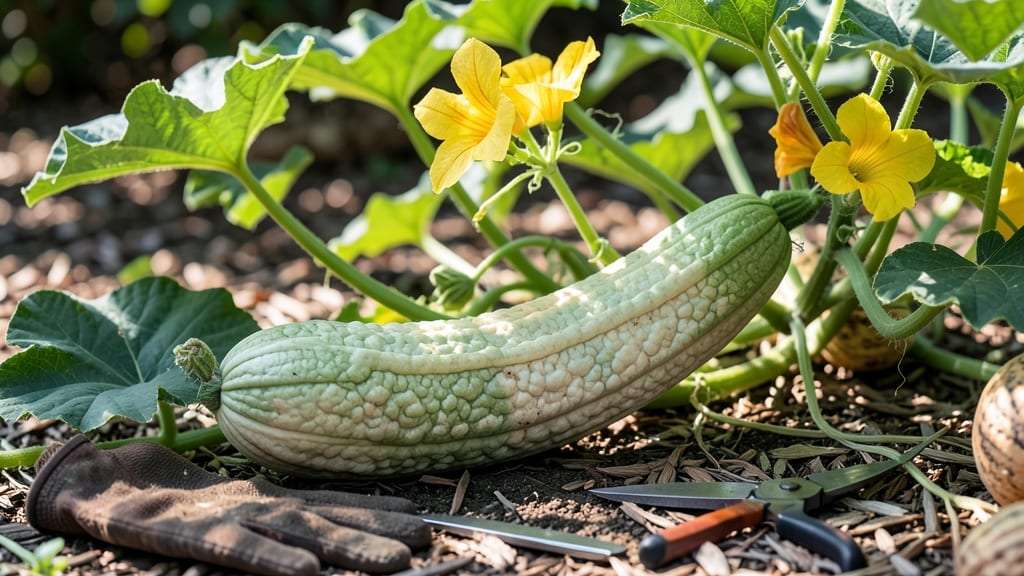
Growing bushel basket gourds in containers lets you turn vines into natural, sturdy baskets that hold 5-10 gallons of harvests or decor. 🌿 I learned the hard way that these gourds need strong trellises—they can grow 20+ feet in a season if left unchecked.
The key is guiding their growth while keeping them contained, so you end up with both functional baskets and edible fruit. These gourds thrive in full sun (6+ hours daily) and well-draining soil mixed with compost. Water consistently—1-2 inches per week—but avoid soggy roots.
The vines produce yellow flowers that turn into gourds, and if you let one mature into a basket, you’ll have a durable, rustic container for years. Just remember: the bigger the basket, the longer it takes to mature—3-5 months from flowering.
Once you harvest, you can use the gourds as decorative baskets or even culinary vessels (they’re edible when young!). The vines are fast-growing but delicate, so handle them gently when training. I’ve seen them produce dozens of gourds in a single season—if you manage the space right.
Perfect for small spaces, balconies, or patios—just give them room to climb. Here’s how to keep them healthy, productive, and contained from start to finish.
📚 In This Guide
- What you need
- Instructions
- Tips and common mistakes
- Wrapping up and next steps
What you need
- ● Bushel Basket Gourd Seeds: 3–5 seeds (choose a variety like ‘Texas Blue’ or ‘Long Island Cheese’ for container-friendly growth).
- ● Large Containers: 5–10 gallon pots (or fabric grow bags) with drainage holes. Pro tip: Ensure they’re at least 18–24 inches deep!
- ● High-Quality Potting Mix: 1 bag (look for a blend labeled for heavy feeders or amend regular mix with compost).
- ● Support Structure: Trellis, tomato cage, or sturdy stakes (6+ feet tall).
- ○ Optional: A small fan for airflow (helps prevent mildew).
- ● Fertilizer: Balanced liquid fertilizer (10-10-10 or 5-5-5).
- ● OR slow-release granular fertilizer (follow package rates).
- ● Mulch: Straw or shredded leaves (to retain moisture and suppress weeds).
- ● Watering Can or Hose: With a gentle spray nozzle (gourds hate soggy roots!).
- ● Pruning shears (for shaping vines).
- ● Epsom salt (occasional magnesium boost for yellowing leaves).
- ● Neem oil or copper fungicide (preventative care for powdery mildew).
- ● Grow lights (if starting seeds indoors before the last frost).
Step-by-step instructions for growing bushel basket gourds in containers
Here’s how to coax these stunning, edible gourds into thriving vines with minimal fuss—even in limited space.
🌱 Step 1: Select the Right Container and Prepare the Soil
Bushel basket gourds need 5-gallon containers minimum—they’re heavy when mature. Choose fabric grow bags or heavy-duty plastic pots with drainage holes to prevent root rot. I use a self-watering container to keep moisture consistent, but a standard pot works if you water daily.
Fill the pot with high-quality potting mix (not garden soil—it compacts too much). Amend with compost (1 part compost to 3 parts potting mix) for nutrients and perlite (10% by volume) to improve drainage. Bushel basket gourds love well-draining, fertile soil—think of it as a mix that holds moisture but never stays soggy. Tap the container gently after filling to settle the soil without compacting it.
☀️ Step 2: Plant Seeds at the Right Time and Depth
Wait until after the last frost and soil temperatures reach at least 70°F—these gourds won’t germinate in cool soil. Plant 2-3 seeds per container (they germinate slowly, so extra ensures success) at a depth of 1 inch. Press them lightly into the soil—too deep delays germination.
Cover the seeds with soil and water gently until the surface is evenly moist but not wet. Place the container in a warm, sunny spot (a greenhouse or heated seedling mat helps). Germination takes 10-14 days—be patient. Once sprouts appear, thin to the strongest seedling per pot to avoid competition.
💧 Step 3: Provide Support and Consistent Care
Bushel basket gourds grow 10-20 feet long, so install a trellis or sturdy cage (at least 6 feet tall) as soon as seedlings are 4 inches tall. I use powder-coated metal stakes buried 12 inches deep for stability. Train vines gently with soft ties—never force them, or you’ll snap tender stems.
Water deeply 2-3 times weekly, ensuring the top 2 inches of soil stay dry between waterings. Overwatering leads to blossom end rot in fruits. Feed every 2 weeks with a balanced liquid fertilizer (10-10-10) once flowers appear—this encourages heavy fruit set. Watch for yellowing leaves, a sign of nutrient deficiency or overwatering. Adjust care immediately if you see this.
⏰ Step 4: Pollinate Flowers and Monitor Fruit Development
Bushel basket gourds are self-pollinating, but a gentle shake of the vine on warm mornings boosts fruit set. Flowers open in the morning—use a soft paintbrush to transfer pollen if humidity is high (rainy days can prevent natural pollination). Remove weak or damaged flowers to direct energy to stronger blooms.
Fruits start as small green orbs and mature to 3-5 pounds by harvest. Expect 4-5 months from planting to maturity. If fruits develop soft spots or crack, reduce watering slightly—they’re prone to blossom end rot when soil moisture fluctuates. Harvest when the vine skin turns hard and the stem dries slightly—this ensures maximum shelf life.
✂️ Step 5: Prune and Prepare for Winter
After the first frost, cut back vines to 12 inches above the soil. Remove all dead or diseased foliage and compost healthy vines—they’re nutrient-rich. Clean containers thoroughly to prevent soil-borne diseases next season. Store seeds from mature gourds (save 3-4) in a cool, dry place for next year’s plants.
Here’s the thing—bushel basket gourds reward patience. If you give them sun, space, and steady care, you’ll end up with beautiful, edible decorations that last for years. And if a vine struggles? No stress—just adjust water or support, and they’ll bounce back.
Tips & tricks for thriving bushel basket gourds in containers
Real talk: Growing bushel basket gourds in containers is all about getting the details right from day one. These vines are heavy and need just the right conditions to flourish.
Container Stability: The 5-gallon minimum container size is non-negotiable—they get surprisingly heavy when mature. I've seen fabric grow bags sag under the weight, so if you're using them, add a sturdy base or place them on a raised platform. For extra security, anchor your containers with landscape fabric or stakes to prevent tipping during heavy rains or when you're training the vines.
Soil Prep Secret: The compost-to-potting mix ratio (1:3) is perfect, but here's what nobody tells you—sterilize your potting mix first. Microwave it for 3 minutes to kill any fungal spores that could cause damping off in seedlings. This is especially important if you're reusing containers from last year's plants. The perlite addition is crucial too; it prevents that dreaded "soggy bottom" that leads to root rot.
Germination Hack: Those 10-14 days of waiting can feel endless, but here's how to speed things up: After planting your 2-3 seeds at 1-inch depth, place the container in a clear plastic bag and seal it loosely. This creates a mini greenhouse effect that maintains consistent warmth and humidity—just check daily for condensation and open the bag for 10 minutes to prevent mold. Once sprouts appear, remove the bag completely to harden off the seedlings.
Support System: The 6-foot trellis height recommendation is perfect, but don't wait until the vines are 4 inches tall to install it. Set up your support structure immediately after thinning seedlings to prevent transplant shock later. I use powder-coated metal stakes because they're rust-resistant, but if you're on a budget, treated wooden posts work too. The key is getting that support in place before the vines start their rapid growth phase—you'll thank yourself when you're not wrestling with 10-foot vines later.
Pro Tips for Bushel Basket Gourd
- Real talk: Growing bushel basket gourds in containers is all about getting the details right from day one.
- Container Stability: The 5-gallon minimum container size is non-negotiable—they get surprisingly heavy when mature.
- Soil Prep Secret: The compost-to-potting mix ratio (1:3) is perfect, but here's what nobody tells you—sterilize your potting mix first.
Frequently asked questions
Got questions about growing bushel basket gourds in containers?
You’re not alone! Here are answers to the most common queries to help you cultivate these unique vines like a pro.
How big do bushel basket gourds get in containers?
Bushel basket gourds can grow huge—some vines sprawl 15–20 feet long! In containers, prune aggressively to keep them manageable (aim for 5–10 feet). Use a 5-gallon minimum pot (bigger is better for heavy fruit). Trellis or cage support is a must to prevent tangled messes. Pro tip: Harvest small gourds early to encourage more production!
How long does it take for bushel basket gourds to bear fruit?
Patience is key! From seed to harvest, expect 90–120 days in warm climates (Zones 9–11). In cooler zones, start seeds indoors 4–6 weeks before last frost or opt for transplants. Female flowers (with tiny gourds) appear 60–80 days after germination. Troubleshoot: If flowers drop without fruiting, hand-pollinate with a soft brush!
Can I grow bushel basket gourds in small pots or hanging baskets?
Not ideal! These gourds need space and support. Small pots (under 5 gallons) stunt growth and reduce yields. For hanging baskets, try dwarf varieties like ‘Tennessee Sweet’ (but still use a 7+ gallon container). Alternatives: If space is tight, grow ‘Cushaw’ or ‘Apple’ gourds—they’re more compact but still productive. Warning: Hanging baskets risk root stress and poor drainage.
Why are my bushel basket gourds developing rot or pests?
Common culprits include powdery mildew (from humidity), squash bugs, or blossom end rot (calcium deficiency). Fix it:
- Prevent mildew: Space plants for airflow, water at the base, and spray neem oil weekly.
- Combat pests: Handpick squash bugs or use row covers early in the season.
- Boost calcium: Add crushed eggshells or use a balanced fertilizer (like 10-10-10).
Rotate crops yearly to break pest cycles! Act fast: Remove infected leaves/gourds immediately.
What’s the best way to harvest and store bushel basket gourds?
Harvest when gourds are firm, hard-shelled, and vibrant green (before they turn brown). Use pruning shears to avoid damaging vines. Cure for storage:
- Rinse and dry thoroughly in sunlight (3–5 days).
- Store in a cool (50–60°F), dry place (e.g., basement) for up to 6 months.
Fun fact: Overripe gourds make great bird feeders—just dry them out!
Wrapping up and next steps
Growing bushel basket gourds in containers is a rewarding journey—packed with lush vines, unique harvests, and the joy of nurturing a plant that thrives with minimal space! Whether you’re a seasoned gardener or a beginner, these versatile gourds prove that big rewards come in small pots. 🌱
Ready to dive deeper? Start small—try a single plant in a 5-gallon container, experiment with trellises, and watch your green thumb grow! Share your progress, troubleshoot challenges, and soon, you’ll be swapping homegrown gourds with neighbors. Happy growing! 🌟