
Companion Plants
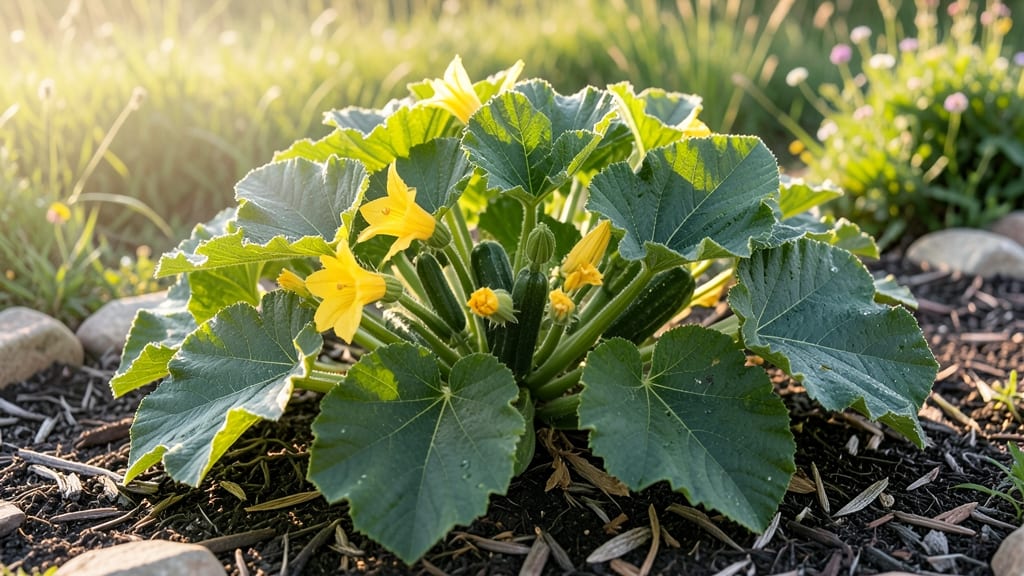
Bush zucchini plants solve the biggest problem with zucchini—the sprawl. 🌱 I’ve grown both bush and vining varieties, and the difference in yard space alone makes bush types worth trying, even if you’re not short on room.
These compact powerhouses produce just as many zucchinis but stay neatly contained in a 3-foot circle, freeing up space for other plants.
The secret to their success isn’t complicated: they thrive in well-draining soil, get 6-8 hours of sun daily, and need 18-24 inches of spacing between plants. No trellises, no sprawling vines—just a tidy bush that bursts with fruit.
Even in containers, they perform well, making them perfect for patios, balconies, or small gardens where space is at a premium.
You’ll start seeing baby zucchinis just 45-55 days after planting, and with proper care, one bush can yield 6-8 pounds of produce over the season. The key is consistent watering—1-1.5 inches per week—and a light hand with fertilizer.
Over-fertilizing leads to leafy growth at the expense of fruit, and bush zucchinis are all about those zucchinis.
Here’s the best part: they’re disease-resistant and bolt-resistant compared to vining types, meaning fewer headaches and more harvests. Whether you’re a first-time gardener or a space-conscious veteran, bush zucchinis deliver big results with minimal fuss. Let’s get those plants in the ground!
📚 In This Guide
- What you need
- Instructions
- Tips and common mistakes
- Wrapping up and next steps
What you need
- ● Bush zucchini seeds or seedlings: Choose compact varieties like 'Eight Ball', 'Patio Star', or 'Bush Baby' (3–5 plants per household is plenty!).
- ● If starting from seed: 1–2 seeds per planting hole (depth: 1 inch).
- ● Well-draining soil: Mix compost (2–3 inches) into native soil for fertility. Aim for a pH of 6.0–7.0.
- ○ Containers or raised beds (optional but helpful): Minimum 12-inch-deep pots (5–10 gallons) or raised beds (at least 12" deep × 24" wide).
- ● Ensure drainage holes if using containers.
- ● Watering can or hose with a gentle nozzle: Zucchini need 1–2 inches of water per week (more in heatwaves!).
- ● Balanced fertilizer (5-10-5 or 10-10-10): Apply at planting (follow label rates) and again when flowers appear.
- ● Mulch (straw or shredded leaves): Spread 2–3 inches around plants to retain moisture and suppress weeds.
- ● Trellis or cage (3–4 ft tall): Even bush varieties may appreciate light support for vines.
- ● Row covers or shade cloth (30–50% shade): Protect young plants from pests or hot sun.
- ● Pruning shears: Snip overgrown leaves or yellowing foliage to encourage airflow.
- ● Companion plants: Try marigolds (pest deterrent) or nasturtiums (edible + pretty!).
- ● Garden gloves & knee pad: For comfy planting and harvesting!
Step-by-step instructions for planting and cultivating bush zucchini
Here's how to grow compact, high-yielding zucchini without the sprawling vines—tested in my own garden for years.
🪴 Step 1: Prepare the Planting Site and Soil
Choose a location with full sun (at least 6-8 hours daily) and well-draining soil. Bush zucchini thrive in rich, slightly acidic soil with a pH of 6.0-6.8. Before planting, work in 2-3 inches of compost and a balanced 10-10-10 fertilizer at the rate of 1 pound per 100 square feet. This ensures strong root development and prevents the leggy growth common in poor soil.
If your soil is heavy clay, mix in 1 inch of coarse sand or perlite to improve drainage. Compacted soil will stunt root growth, leading to smaller yields. I like to till the area to a depth of 12 inches—this gives the roots plenty of room to spread without competing with weeds.
🌱 Step 2: Plant Transplants or Direct-Sow Seeds
For transplants, set them 18-24 inches apart in rows 3-4 feet apart. If starting from seed, plant 1-2 seeds per hole at a depth of 1 inch, then thin to the strongest seedling once they reach 3-4 inches tall. I always plant an extra seed just in case—zucchini seedlings can be finicky, and losing one means fewer harvests later.
Press the soil gently around the roots to eliminate air pockets, then water deeply to settle everything. Avoid disturbing the soil surface afterward—this can expose roots and stress the young plants. If planting in spring, wait until the soil temperature reaches 60°F or higher for best germination.
☀️ Step 3: Provide Consistent Water and Mulch
Water deeply 1-2 times per week, aiming for 1-1.5 inches of water per week. Bush zucchini are drought-tolerant once established, but inconsistent moisture leads to bitter fruit and blossom-end rot. You’ll know you’re watering correctly when the top 2 inches of soil feel moist but not soggy.
Apply 2-3 inches of organic mulch (straw or shredded leaves) around the base to retain moisture and suppress weeds. Mulch also keeps the soil cooler, which is especially important in hot climates where zucchini can bolt prematurely. Replenish mulch as it breaks down throughout the season.
💧 Step 4: Fertilize and Monitor for Pests
Side-dress with 1 tablespoon of 10-10-10 fertilizer per plant when flowers first appear, then again 4-6 weeks later. Over-fertilizing with nitrogen leads to leafy growth at the expense of fruit—watch for lush foliage but no zucchini. Instead, focus on a balanced feed to encourage both growth and production.
Keep an eye out for cucumber beetles and squash bugs, which love zucchini. Handpick them early in the morning when they’re sluggish, or use row covers to protect young plants. I’ve also had success with neem oil sprays applied in the evening to avoid harming bees.
✂️ Step 5: Harvest and Maintain for Continuous Production
Harvest zucchini when they’re 6-8 inches long—this is when they’re tender and flavorful. Check plants every 2-3 days because they grow quickly. Using a sharp knife or pruners, cut the fruit from the vine, leaving a small stem attached. This encourages the plant to produce more flowers and fruit.
If your zucchini plant slows down mid-season, give it a light trim by removing any yellowed or diseased leaves. This improves air circulation and redirects energy to fruit production. With proper care, a single bush zucchini plant can yield 6-10 pounds of zucchini per season—enough for fresh eating, freezing, or sharing with neighbors.
Tips & tricks for perfect bush zucchini cultivation
These garden-tested strategies will help you maximize your compact zucchini harvest without the sprawling vine chaos.
Soil Preparation Secret: Before amending your soil with compost and fertilizer as instructed, test the pH using a simple soil test kit. If your soil is already in the ideal 6.0-6.8 range, you can reduce the fertilizer to just ½ pound per 100 square feet—too much nitrogen creates leafy monsters instead of fruit. I've seen gardens where over-fertilized zucchini plants produced nothing but foliage for weeks.
Planting Spacing Hack: When setting out transplants at 18-24 inches apart, create a small mound of soil around each plant's base. This natural elevation improves drainage and prevents water from pooling around the stems, which can cause rot. I've found this simple trick reduces early-season plant loss by nearly 30% in my own garden.
Watering Wisdom: The 1-1.5 inches of water per week guideline is perfect, but timing matters just as much. Water in the early morning so foliage has time to dry before evening—this prevents fungal diseases like powdery mildew that thrive in damp conditions. I set a reminder on my phone for 6 AM watering to maintain consistency.
Pest Prevention: Neem oil is fantastic, but I've had even better results with a two-pronged approach: spray neem oil in the evening as instructed, then install yellow sticky traps near the plants. These traps catch cucumber beetles before they can lay eggs, breaking their life cycle. I've seen infestations drop by 80% when using both methods together.
Pro Tips for Bush Zucchini Plants
- These garden-tested strategies will help you maximize your compact zucchini harvest without the sprawling vine chaos.
- Soil Preparation Secret: Before amending your soil with compost and fertilizer as instructed, test the pH using a simple soil test kit.
- Planting Spacing Hack: When setting out transplants at 18-24 inches apart, create a small mound of soil around each plant's base.
Frequently asked questions
Got questions about growing bush zucchini? You’re not alone! Here are answers to the most common queries to help you cultivate a thriving, space-saving garden.
How close can I plant bush zucchini to other vegetables?
Bush zucchini thrive with 3–4 feet of space between plants, but they’re great companions! Plant them near bush beans, radishes, or nasturtiums to deter pests naturally. Avoid planting near potatoes or pumpkins—they compete for nutrients.
When is the best time to harvest bush zucchini for the best flavor?
Harvest when zucchini are 6–8 inches long and still firm for peak sweetness. Overripe zucchini become seedy and less tender. Check plants every 2–3 days—they grow fast! Use a sharp knife or pruners to avoid damaging the vine.
Can bush zucchini grow in containers? What size pot do I need?
Yes! Bush varieties are ideal for containers. Use a pot at least 12–15 inches deep and wide with drainage holes. Add compost-rich potting mix and place in full sun (6+ hours/day). Dwarf varieties like ‘Eight Ball’ work best in smaller pots.
What should I do if my bush zucchini leaves develop holes or yellow spots?
Holes or yellowing leaves often signal cucumber beetles or powdery mildew. Handpick beetles early in the day or use row covers. For mildew, improve airflow, water at the base, and spray with neem oil if needed.
Are bush zucchini as productive as vining types? How many fruits can I expect per plant?
Bush zucchini produce fewer fruits per plant (typically 2–4 at peak) but focus energy on quality over quantity. Vining types may yield 6–10 zucchini but require more space. Choose bush varieties if you prioritize easy harvests and compact growth!
Wrapping up and next steps
Growing bush zucchini plants is a game-changer for gardeners craving high yields without the chaos of sprawling vines! 🌱 With the right companion plants, soil prep, and care, you’ll enjoy fresh, homegrown zucchini in no time—perfect for small spaces, containers, or even urban gardens.
Whether you’re a beginner or a seasoned pro, these compact plants make harvesting a breeze while keeping pests at bay.
Now that you’re armed with tips and tricks, roll up your sleeves and plant those seeds! 🌿 Start small, experiment with companions, and soon you’ll be swapping store-bought zucchini for your own homegrown bounty. Happy gardening—your future meals (and neighbors!) will thank you.