
Trees
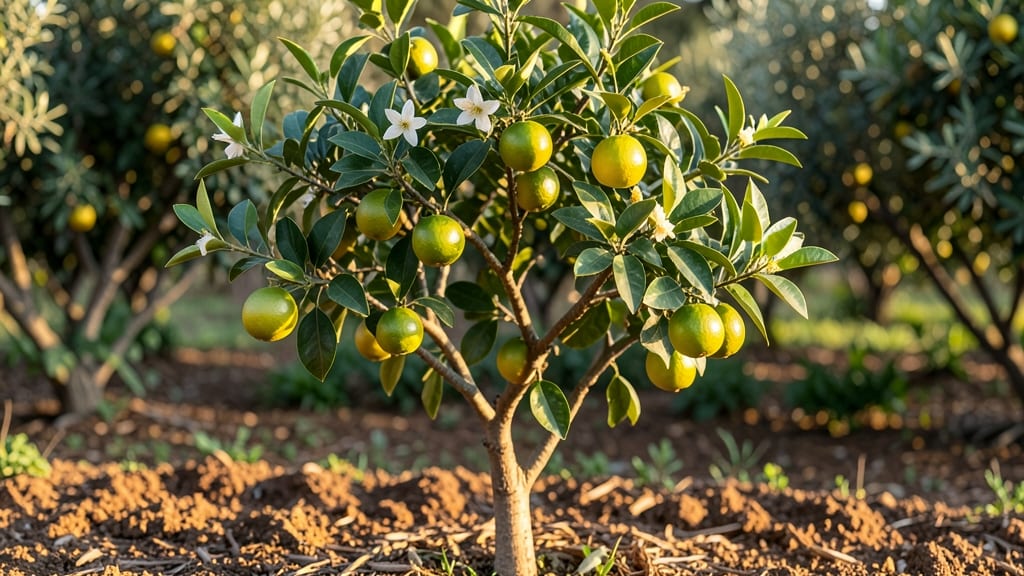
That bush with the little orange berries lining your neighbor's fence isn't just pretty—it's a year-round privacy shield that keeps working even after the leaves fall. 🌿 The dwarf firethorn (Pyracantha coccinea) is the secret weapon behind those glossy clusters, and once you plant one, you'll wonder why you didn't add it sooner.
These bushes thrive in full sun to partial shade and handle everything from city smog to salt spray, making them perfect for coastal homes or urban yards. The berries stay vibrant through winter, feeding birds when little else is available, while the thorny branches deter intruders.
Just be warned—those berries are toxic to pets and kids, so plant them where curious paws can't reach.
By late spring, you'll see clusters of tiny white flowers that eventually turn into those shockingly bright orange berries, each about the size of a grape.
The foliage stays lush and green all season, and the plant grows slowly enough that pruning is minimal—just shape it once a year to keep it tidy.
Works in zones 5-9, handles drought once established, and lives for decades with proper care. Here's how to make it thrive in your yard!
📚 In This Guide
- What you need
- Instructions
- Tips and common mistakes
- Wrapping up and next steps
What you need
- ● Dwarf Firethorn Plant: 1-3 nursery-grown bushes (3-4 ft tall, depending on desired height). Choose Pyracantha coccinea ‘Lalande’ or ‘Teton’ for compact varieties.
- ● Well-draining soil: Mix 1 part native soil with 1 part compost (avoid heavy clay). Test soil pH (6.0–7.5 ideal).
- ● Mulch: 2–3 inches of wood chips or pine straw to retain moisture and suppress weeds.
- ● Fertilizer: Balanced 10-10-10 granular fertilizer (1 lb per bush) or slow-release organic options like fish emulsion.
- ● Watering can or hose: With a soaker nozzle for deep watering (1–2 gallons per bush, 2–3x/week).
- ● Pruning shears: Bypass pruners (sharp, clean) for shaping and maintenance.
- ● Gloves: Heavy-duty gardening gloves (thorns are sharp!).
- ● Epsom salt: 1 tbsp mixed into soil at planting for magnesium boost (promotes vibrant foliage).
- ● Pest control: Neem oil spray (for aphids or scale) or horticultural oil.
- ● Support stakes: 3–4 ft bamboo stakes + twine if planting in windy areas.
- ● Bird-friendly feeder: Nearby perches to enjoy the orange berries (birds love them!).
Planting and caring for dwarf firethorn for year-round privacy
This hardy shrub offers vibrant color and dense growth—here’s how to plant and maintain it for a lush, berry-filled hedge.
🌱 Step 1: Choose the Right Planting Location
Dwarf firethorn thrives in full sun to partial shade, with at least 6 hours of sunlight daily. I always pick a spot with well-draining soil—this plant hates soggy roots. If your soil is heavy clay, mix in 3-4 inches of compost to improve drainage before planting.
Space plants 4-6 feet apart for a dense hedge. Since firethorn grows upright and spreads gradually, this spacing gives it room to fill in over time without crowding. Mark the spots with stakes so you don’t accidentally dig in the wrong place—trust me, digging up a newly planted shrub is a hassle.
🪴 Step 2: Dig and Plant with Proper Spacing
Dig a hole twice as wide as the root ball but only as deep. The top of the root ball should sit 1 inch above ground level—burying it too deep can suffocate the plant. Gently remove the shrub from its container and loosen any tangled roots with your fingers.
Place the plant in the hole and backfill with native soil, tamping it down lightly as you go. Water deeply to settle the soil around the roots. I like to add a 2-inch layer of mulch around the base, keeping it 3 inches away from the trunk to prevent rot. Mulch helps retain moisture and keeps weeds at bay.
☀️ Step 3: Water and Fertilize for Strong Growth
Water newly planted firethorn once a week for the first month, giving it 1-2 gallons per plant each time. After that, water only when the top 2 inches of soil feel dry. Overwatering is the fastest way to kill this shrub—it’s drought-tolerant once established.
In early spring, apply a balanced, slow-release fertilizer (like 10-10-10) to encourage lush growth. I skip fertilizer in the fall to let the plant harden off for winter. Firethorn is low-maintenance, but a little extra food in its first year helps it establish strong roots.
✂️ Step 4: Prune for Shape and Berry Production
Prune firethorn in late winter or early spring before new growth appears. Remove any dead, diseased, or crossing branches first—this keeps air circulating and prevents pests. Then, trim back any overgrown branches by one-third to encourage bushier growth.
If you want more berries, avoid heavy pruning in the fall. The berries form on old wood, so cutting back too much can reduce next year’s harvest. I usually do a light shaping prune in summer after the berries ripen to keep the plant tidy without sacrificing fruit.
⏰ Step 5: Protect and Enjoy Year-Round Interest
Firethorn’s bright orange berries persist through winter, making it a standout shrub even in cold months. If birds love your berries as much as I do, consider netting the plants in late summer to save a few for yourself.
This shrub is deer-resistant and handles urban pollution well, so it’s perfect for city gardens. With minimal care, it’ll give you privacy, color, and structure for years—plus, those berries make a stunning winter display. Just plant it right, water it wisely, and let it grow!
Tips & tricks for perfect dwarf firethorn planting
A few simple tricks will help your dwarf firethorn thrive and create that stunning privacy hedge you're dreaming of.
Soil Prep Secret: Before planting, I always test the soil pH—dwarf firethorn prefers slightly acidic to neutral soil (pH 6.0-7.0). If your soil is alkaline, mix in 2 inches of peat moss into the planting hole to create the perfect growing environment. This small step prevents nutrient deficiencies that can stunt growth. The 3-4 inches of compost mentioned in Step 1 is perfect for amending heavy clay soils, but don't skip the pH test if you're unsure about your soil type.
Planting Depth Matters: That 1-inch above ground level positioning in Step 2 isn't just arbitrary—it's crucial for proper air circulation at the base. I've seen too many plants suffer from rot when buried too deeply. After planting, gently press the soil around the roots but don't compact it too firmly. Think of it like tucking a child into bed—just enough to support them, not so tight they can't breathe.
Watering Wisdom: The 1-2 gallons per plant for the first month might seem like a lot, but this establishes strong root systems. Here's my trick: water deeply in the morning so the soil has all day to dry slightly before nightfall. This prevents fungal issues that can develop from consistently wet foliage. After that first month, let the top 2 inches of soil dry out completely between waterings—this drought tolerance is what makes firethorn so low-maintenance once established.
Pruning Pro Tip: When you're doing that one-third trim in Step 4, focus on removing branches that grow inward first. These are the ones that create dense, bushy growth. I also recommend sterilizing your pruning shears with rubbing alcohol between cuts—this prevents spreading any potential diseases from dead branches to healthy ones. And remember, those berries form on old wood, so save your heavy pruning for winter when the plant is dormant.
Pro Tips for Bush With Little Orange Berries
- A few simple tricks will help your dwarf firethorn thrive and create that stunning privacy hedge you're dreaming of.
- Soil Prep Secret: Before planting, I always test the soil pH—dwarf firethorn prefers slightly acidic to neutral soil (pH 6.0-7.0).
- Planting Depth Matters: That 1-inch above ground level positioning in Step 2 isn't just arbitrary—it's crucial for proper air circulation at the base.
Frequently asked questions
Got questions about that bush with little orange berries stealing the show in your yard? You’re not alone!
Here’s a quick breakdown of the most common curiosities—plus practical tips to keep your Dwarf Firethorn thriving year-round.
Is that bush with little orange berries safe for pets or kids?
The orange berries on Dwarf Firethorn (Pyracantha) are non-toxic to humans, dogs, and cats—but they’re not edible. While ingestion won’t cause severe harm, the berries lack nutritional value and might upset stomachs if eaten in large quantities. Always supervise kids/pets near plants, and avoid letting them chew the leaves or stems, which can cause mild irritation.
When do the orange berries appear, and how long do they last?
Berries typically ripen in late summer to fall (August–October) and cling to the bush through winter until early spring. With proper pruning (light trimming after berry drop), you can encourage longer-lasting fruit displays. Pro tip: If birds devour them too fast, try netting young bushes or opting for thornless varieties.
Why aren’t my Firethorn berries orange? Are they turning brown or staying green?
Brown or green berries usually mean poor pollination, overwatering, or nutrient deficiencies. Ensure your bush gets full sun (6+ hours/day) and well-draining soil. A balanced fertilizer in early spring can help. If berries shrivel, check for powdery mildew (white fungal spots)—prune affected branches and apply fungicide if needed.
Can I grow a Firethorn bush in a pot? What’s the best container size?
Yes! Dwarf Firethorn thrives in containers 18–24 inches wide/deep with drainage holes. Use a fast-draining potting mix (add perlite or sand) and repot every 2–3 years. Place pots in full sun and water when the top inch of soil is dry. Bonus: Potted Firethorn makes a stunning seasonal centerpiece on patios or balconies!
How do I prune a Firethorn bush to keep it compact and berry-filled?
Prune in late winter/early spring (before new growth) to shape the bush and encourage dense berry production. Cut back 1/3 of the oldest stems to the ground and trim overlapping or leggy branches. Avoid heavy pruning after berries form—this can reduce fruit next year. Pro move: Wear gloves! Thorns are sharp.
Are there non-thorny alternatives to Firethorn with similar berries?
If thorns are a dealbreaker, try these low-maintenance, berry-bearing bushes:
- Holly (Ilex spp.) – Red berries, evergreen, bird-friendly.
- Winterberry (Itea virginica) – Vibrant red/orange berries (female plants only).
- Cotoneaster (Cotoneaster spp.) – Small red/orange berries, drought-tolerant.
- Thornless Pyracantha (e.g., ‘Orange Glow’) – Same berries, fewer prickles.
All thrive in similar conditions but may lack Firethorn’s year-round structure.
Wrapping up and next steps
Discovering the dwarf firethorn with its vibrant little orange berries is like unlocking a year-round privacy solution for your garden! 🌿 This resilient, low-maintenance shrub offers stunning color, wildlife benefits, and adaptability—perfect for hedges, borders, or even containers.
Whether you’re drawn to its bold foliage, bright berries, or versatile uses, it’s a win-win for both beauty and function.
Ready to transform your outdoor space? Start by choosing the right spot, gathering your tools, and planting with confidence. Your future self (and your neighbors!) will thank you for this living, fruiting masterpiece.