
Pruning
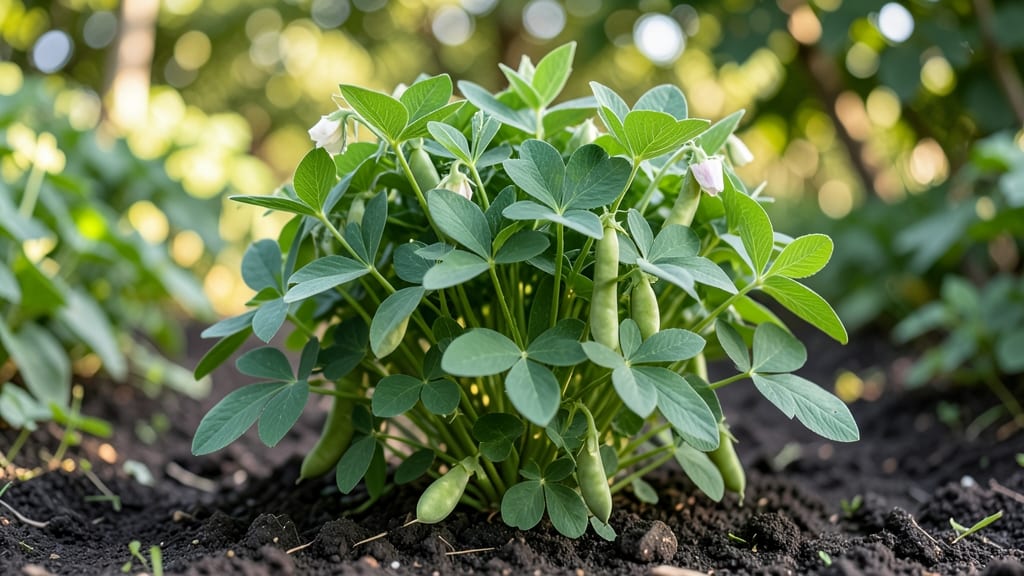
Growing bush snap peas delivers sweet, tender pods in just 30 days—no sprawling vines or trellises required. 🌱 These compact plants thrive in small spaces, making them perfect for containers, raised beds, or tight garden corners where traditional peas would flop.
The key to success lies in proper soil prep, spacing, and consistent moisture, which I’ve perfected after years of growing them alongside my heirloom tomatoes.
Unlike their vining cousins, bush snap peas grow in neat, bushy clusters that produce pods all at once, creating a harvest window of 2-3 weeks with minimal effort. They’re also more resistant to wind damage, which means fewer broken stems and more consistent yields.
Start with well-draining soil amended with compost, and plant seeds 1 inch deep in rows spaced 12-18 inches apart—this gives roots enough room to spread without crowding. Watering is where most gardeners trip up: keep the soil evenly moist but not soggy, especially during flowering and pod formation.
A mulch layer helps retain moisture and keeps soil temps steady, while a light fertilizer boost at planting gives them a strong start. Within 4-6 weeks, you’ll see those first sweet pods forming, ready to be snapped fresh from the vine.
Common issues like powdery mildew or pea aphids are easy to prevent with good airflow and neem oil sprays. If you’re short on space, try interplanting with radishes or lettuce—they grow fast enough to harvest before the peas take over.
Once you master this method, you’ll be harvesting pound after pound of crisp, sugar-sweet peas with almost no fuss.
📚 In This Guide
- What you need
- Instructions
- Tips and common mistakes
- Wrapping up and next steps
What you need
- ● Bush snap pea seeds: 1–2 lbs (or ~200–400 seeds, depending on spacing). Choose a fast-maturing variety like 'Sugar Snap,' 'Super Sugar Snap,' or 'Oregon Sugar Pod.'
- ● Growing space: Garden bed: 3–4 ft wide row, 6–8 inches deep, with well-draining soil.
- ● Containers: 12–18 inch deep pots (at least 2 per plant) with drainage holes.
- ● Raised beds: 10–12 inches deep, with compost-rich soil.
- ● Soil: Loamy, well-draining mix amended with compost (aim for a pH of 6.0–7.0).
- ● Fertilizer: Balanced, organic fertilizer (e.g., 10-10-10) or compost tea for planting.
- ○ Trellis or stakes (optional but recommended): 4–6 ft tall bamboo stakes, wire trellis, or A-frame supports to encourage vertical growth.
- ● Watering can or hose: With a gentle spray nozzle for consistent moisture.
- ● Mulch: Straw or shredded leaves (2–3 inches thick) to retain moisture and suppress weeds.
- ● Garden trowel or transplanting tool for digging holes (1–1.5 inches deep).
- ○ Gloves (optional but helpful for handling soil and seeds).
- ● Pruning shears (for trimming later stages or removing spent pods).
- ● Sunlight access: Full sun (6–8 hours daily) or partial shade (4–6 hours) in hot climates.
- ● Cold frames or row covers (if planting early spring or late fall in cooler zones).
- ● Pea support clips (to secure vines to trellises without damaging stems).
- ● Organic pest control: Neem oil or companion plants like radishes or onions to deter pests.
- ● Soil moisture meter (to monitor watering needs, especially in containers).
- ● Seed-starting kit (if you prefer to germinate indoors 4–6 weeks before the last frost).
Step-by-step guide to growing sweet bush snap peas
Here's how I grow tender, sweet snap peas in just 30 days—no trellis needed.
🌱 Step 1: Prepare the Soil and Plant Seeds
Work 2-3 inches of compost into the top 6 inches of soil to loosen it for tender roots. Bush peas thrive in well-draining, slightly acidic soil with a pH of 6.0-7.0. I like to add a handful of bone meal at planting time—it boosts phosphorus for strong root development and early flowering.
Sow seeds ½ inch deep and 2 inches apart in rows 18 inches apart (they’ll bush out). Plant 3-4 seeds per spot since germination rates vary. Water gently after planting—soil should feel damp but not soggy. Here’s the thing: don’t let the soil dry out during germination, but avoid heavy watering that can wash seeds deeper than ideal.
☀️ Step 2: Provide Support and Optimal Growing Conditions
Even though they’re "bush" varieties, snap peas still need light support. I use 6-inch tall wire mesh cages or sturdy plastic stakes placed at planting time. This prevents stems from flopping as pods develop. Keep plants in full sun (6-8 hours daily)—partial shade stretches stems and reduces sweetness.
Water 1 inch per week, focusing on the base to keep foliage dry (prevents fungal diseases). You’ll see first true leaves in 7-10 days. Once they appear, reduce watering slightly—consistent moisture is key, but soggy soil invites rot. Mulch with 2 inches of straw to retain moisture and suppress weeds.
💧 Step 3: Fertilize and Monitor for Pests
When plants reach 6 inches tall, feed with a balanced 10-10-10 fertilizer (½ teaspoon per plant). I switch to fish emulsion at flowering to boost sweetness—peas respond well to organic nitrogen at this stage. Watch for pea aphids on new growth; blast them off with water or introduce ladybugs for natural control.
Thin seedlings to 4 inches apart once they’re 4 inches tall—this improves airflow and reduces disease risk. You’ll notice first flower clusters in 4-5 weeks. Here’s where it gets fun: harvest pods when they’re 3-4 inches long and bright green, before seeds inside swell. This ensures maximum sweetness and encourages more production.
✂️ Step 4: Harvest and Extend the Season
Pick pods every 2-3 days at peak sweetness—don’t wait! Overripe peas become stringy and tough. I harvest in the morning when flavors are highest. Cut stems with scissors to avoid damaging the plant. With proper care, a 4-foot bush yields ½ pound of peas per week during peak production.
For a second crop, succession plant seeds every 2 weeks until 6 weeks before your first frost. Bush peas tolerate light frosts—28-32°F—so you can often harvest well into fall. After harvest, pull plants and compost them to prevent volunteer peas (they self-seed aggressively).
Tips & tricks for growing perfect bush snap peas
These simple strategies will help you grow sweet, tender snap peas that outperform store-bought every time.
Soil Preparation Secret: The 2-3 inches of compost in the top 6 inches of soil isn't just about nutrients—it's about creating the perfect air-soil balance for those delicate roots. I've found that adding a handful of bone meal at planting time gives them a real growth boost, especially in heavier soils. The key is to mix it thoroughly so you don't create pockets of concentrated phosphorus that could burn tender roots.
Germination Timing Tip: Those 7-10 days until first true leaves might feel like an eternity, but consistency is everything. Use a spray bottle for gentle watering after planting to keep seeds moist without disturbing them. I've learned that maintaining soil temperature between 60-70°F speeds up germination—consider using row covers if your spring nights are still chilly.
Support System Strategy: The 6-inch wire mesh cages might seem like overkill for "bush" peas, but trust me—they're worth it. I've seen plants flop dramatically without support, especially when pods start forming. Place the cages at planting time so roots grow through them naturally. For larger gardens, you can even use chicken wire laid flat between rows for a more economical solution.
Harvesting Hack: The 3-4 inch pod size window is critical for sweetness, but here's what nobody tells you: the absolute best time to harvest is in the morning after a cool night. The sugars concentrate overnight, making them sweeter than at any other time of day. I always carry a small basket and harvest straight to the kitchen—those pods lose sweetness fast once picked.
Pro Tips for Bush Snap Peas
- These simple strategies will help you grow sweet, tender snap peas that outperform store-bought every time.
- Soil Preparation Secret: The 2-3 inches of compost in the top 6 inches of soil isn't just about nutrients—it's about creating the perfect air-soil balance for those delicate roots.
- Germination Timing Tip: Those 7-10 days until first true leaves might feel like an eternity, but consistency is everything.
Frequently asked questions
When is the best time to plant bush snap peas?
Bush snap peas thrive in cool weather, so plant them as soon as the soil reaches 40°F (4°C) in early spring or late summer for a fall harvest. Avoid planting when temps exceed 80°F (27°C), as they’ll bolt or turn bitter. A light frost? No problem—they’re frost-hardy!
How long does it take for bush snap peas to mature?
Most varieties mature in 55–65 days from seed, making them one of the fastest-growing garden veggies. With consistent moisture and sunlight, you’ll see tender pods ready for harvest in just 6–8 weeks. Pro tip: Pick them young for the sweetest flavor!
Can I grow bush snap peas in containers?
Bush snap peas are perfect for containers—just use a deep pot (at least 12 inches deep) with trellis support. Choose compact varieties like ‘Sugar Sprint’ or ‘Tom Thumb’ for small spaces. Ensure good drainage and rotate the pot occasionally for even sunlight exposure.
What should I do if my bush snap peas develop holes or yellow leaves?
Holes in pods or yellowing leaves usually signal pest pressure (like aphids or pea weevils) or fungal issues (e.g., powdery mildew). Try these fixes:
Rotate crops next season to break disease cycles.
Are bush snap peas a good substitute for regular snap peas?
Yes! Bush snap peas are easier to grow than vining types—they don’t need trellises and produce earlier. While they yield fewer pods per plant, their compact size makes them ideal for small gardens or beginners. For higher yields, mix bush and vining varieties in your plot!
Wrapping up and next steps
Growing your own bush snap peas is a rewarding journey that brings fresh, sweet pods straight to your table in just 30 days! 🌱 Whether you're a beginner gardener or a seasoned pro, these fast-growing plants are perfect for small spaces, containers, or even your backyard.
With the right soil, sunlight, and care, you’ll enjoy a bountiful harvest that’s both delicious and satisfying.
Ready to take the next step? Start by planting your seeds this week! Grab your gardening gloves, mark your calendar for thinning and harvesting, and soon you’ll be savoring homegrown snap peas—crisp, tender, and full of flavor. Happy gardening! 🌿