
Container Gardens
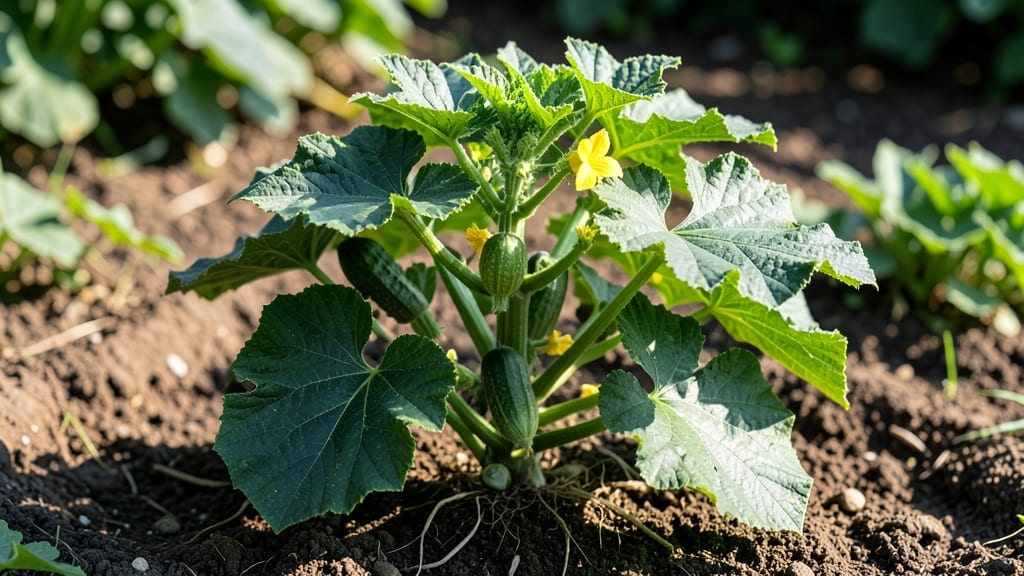
Growing bush cucumbers in pots lets you harvest crisp, vine-free cucumbers even on a tiny balcony. 🌱 I used to dread the sprawling vines, but these compact varieties changed everything—no trellis, no sprawl, just consistent fruit from May through September.
The secret is choosing the right container and variety, then treating them like you would in-ground plants but with extra attention to water and nutrients.
You’ll need a 5-gallon pot or larger (bigger is better for longer harvests), well-draining potting mix, and a bush variety like ‘Bush Champion’ or ‘Spacemaster.’ These plants thrive in full sun (6+ hours daily) and need regular watering—let the top inch dry between waterings—but avoid soggy soil.
A balanced fertilizer every 4-6 weeks keeps them productive, and mulch helps retain moisture in hot afternoons.
By mid-July, you’ll be picking bright green cucumbers every 3-4 days, with plants that stay tidy and compact. The flavor rivals garden-fresh, but without the space commitment. Prune only to remove yellow leaves, and watch for pests like cucumber beetles—neem oil keeps them away without chemicals.
Perfect for urban gardeners, small patios, or anyone tired of cucumber vines taking over. Once you try this, you’ll never grow them in-ground again—same harvest, zero mess. Let’s get those pots planted!
📚 In This Guide
- What you need
- Instructions
- Tips and common mistakes
- Wrapping up and next steps
What you need
- ● Bush cucumber seeds or seedlings: Choose compact varieties like 'Bush Champion,' 'Spacemaster,' or 'Sweet Success' (5–10 plants, depending on pot size).
- ● Containers: At least 5-gallon pots (18–24 inches deep) for each plant, or larger (10+ gallons) for multiple plants.
- ● Ensure pots have drainage holes to prevent root rot.
- ● Potting mix: A high-quality, well-draining container mix (avoid garden soil—it compacts!). Aim for 2–3 cubic feet per pot.
- ● Fertilizer: Balanced granular fertilizer (10-10-10 or 5-5-5) or slow-release pellets (follow package rates).
- ○ Optional: Compost or worm castings for extra nutrients.
- ○ Support (optional but helpful): Small cage or trellis (1–2 feet tall) to guide vines and improve air circulation.
- ● Watering can or hose with a gentle nozzle: Containers dry out faster—keep watering consistent!
- ● Mulch: Straw or shredded leaves to retain moisture and regulate soil temperature.
- ● Liquid fertilizer: Diluted fish emulsion or seaweed extract for a mid-season boost.
- ● Self-watering pot: If you travel often, these reduce maintenance.
- ● Pruning shears: For trimming any leggy growth (though bush varieties need minimal pruning).
- ● Grow lights (indoor setups): If starting seeds early or growing in low-light areas.
Step-by-step instructions for growing bush cucumbers in pots
Here's how to grow compact, productive bush cucumbers that thrive in containers—no sprawling vines required.
🪴 Step 1: Choose the Right Containers and Drainage
Select pots at least 12-14 inches deep and 12-18 inches wide for each plant, since bush cucumbers need room to develop their compact root systems. I prefer fabric pots because they allow roots to breathe and dry out more evenly, which prevents the common issue of root rot in cucumbers. Make sure each pot has multiple drainage holes—at least three—so excess water escapes freely.
If your pots lack drainage, drill holes yourself using a ½-inch drill bit. Place a small piece of mesh or broken pottery over each hole to prevent soil from washing out while still allowing water to drain. The goal is to mimic well-draining garden soil, which bush cucumbers prefer to stay healthy and productive.
🌱 Step 2: Prepare Soil and Plant Seeds or Transplants
Fill each pot with a high-quality potting mix enriched with compost or a balanced organic fertilizer. Bush cucumbers thrive in soil that’s rich in nutrients but also well-aerated. I like to mix in a handful of perlite or vermiculite to improve drainage and prevent compaction, which can suffocate roots. Leave about 1 inch of space between the soil surface and the pot’s rim for watering.
If starting from seeds, plant 2-3 seeds per pot at a depth of ½ inch, spacing them evenly. Cover lightly with soil and mist gently with water until the soil is evenly moist but not soggy. For transplants, dig a hole slightly larger than the root ball, place the plant in, and firm the soil around it. Thin to the strongest seedling once true leaves appear, or transplant the extra seedlings to separate pots.
☀️ Step 3: Provide Consistent Light and Water
Bush cucumbers need 6-8 hours of direct sunlight daily to produce fruit, so place pots in a location that receives full sun. A south- or west-facing spot is ideal, but if you’re growing in partial shade, supplement with a grow light for at least 4-6 hours daily. You’ll notice leaves turning pale or stems elongating if they’re not getting enough light—this is a clear sign to adjust their position or add artificial light.
Water deeply every 2-3 days, ensuring the top 2 inches of soil feel moist but not waterlogged. Bush cucumbers are sensitive to inconsistent moisture, so I use a moisture meter to check soil dampness before watering. Mulch the soil surface with 1-2 inches of straw or shredded leaves to retain moisture and keep roots cool, which helps prevent bolting—a common issue in hot climates.
🌿 Step 4: Support Growth and Prune for Productivity
Even though bush cucumbers are compact, they still benefit from light support to keep vines and fruit off the ground. Install a small cage or trellis (about 18-24 inches tall) in each pot at planting time. Gently weave vines through the support as they grow to encourage upward growth and improve air circulation, which reduces the risk of fungal diseases like powdery mildew.
Prune regularly to remove any yellow or diseased leaves, and pinch off the first few flowers if your plant is still small. This redirects energy to root and vine development, leading to a stronger plant that produces more fruit later. I also remove any suckers (side shoots) that form in the leaf axils to keep the plant’s energy focused on fruit production rather than excessive foliage.
⏰ Step 5: Harvest and Maintain Through the Season
Start harvesting when cucumbers reach 6-8 inches long, using a sharp pair of pruners or scissors to avoid damaging the vine. Pick consistently to encourage more production—overripe cucumbers on the vine signal the plant to stop flowering. I harvest every 2-3 days during peak production to keep the plant focused on making new fruit rather than letting old ones turn bitter.
Fertilize lightly every 3-4 weeks with a balanced liquid fertilizer (like 10-10-10) diluted to half strength. Avoid over-fertilizing, as this can lead to excessive leaf growth at the expense of fruit. If you notice leaves yellowing between the veins, it’s a sign of magnesium deficiency—apply a foliar spray of Epsom salt (1 tablespoon per gallon of water) to correct it quickly.
Tips & tricks for perfect bush cucumber growth in containers
These container-specific strategies will help you avoid the most common pitfalls when growing bush cucumbers in pots.
Container Selection: Fabric pots are my top recommendation for bush cucumbers because they prevent root circling—a common issue in plastic containers. If you must use plastic, choose pots with vertical ridges to encourage root growth downward. The extra depth (12-14 inches) is crucial—shallow containers restrict root development and reduce yields. I've seen plants in 10-inch pots produce only half as much fruit as those in properly sized containers.
Soil Mix Matters: Never use garden soil in containers—it compacts and drains poorly. Your high-quality potting mix should contain at least 20% perlite or vermiculite by volume to prevent compaction. I mix in a slow-release fertilizer (like Osmocote) at planting time to provide steady nutrition without the risk of over-fertilizing. The 1-inch headspace you leave is actually more important than you might think—it prevents soil from splashing out when watering and gives roots room to expand upward.
Light Optimization: The 6-8 hours of direct sunlight requirement is non-negotiable for fruit production, but here's what I've learned about working with limited space: South-facing windowsills get the most consistent light, but if your space is shaded, a grow light on a timer becomes essential. Position lights 6-12 inches above the plants and use full-spectrum LED bulbs—these mimic sunlight better than standard incandescent bulbs. I've had success with a single 100-watt LED grow light covering two 12-inch pots when placed just 8 inches above.
Watering Strategy: The 2-3 day watering schedule works best when you check soil moisture at the 2-inch depth mentioned. I use a simple trick to prevent overwatering: stick your finger in the soil—if it feels dry up to your first knuckle, it's time to water. For containers, I water until I see moisture running out the drainage holes, then let it drain completely. This prevents the root rot that plagues so many container-grown cucumbers. Mulching with straw isn't just about moisture retention—it also keeps the soil cooler, which is especially important in hot climates where bolting becomes a problem.
Pro Tips for Bush Cucumbers In Pots
- These container-specific strategies will help you avoid the most common pitfalls when growing bush cucumbers in pots.
- Container Selection: Fabric pots are my top recommendation for bush cucumbers because they prevent root circling—a common issue in plastic containers.
- Soil Mix Matters: Never use garden soil in containers—it compacts and drains poorly.
Frequently asked questions
Got questions about growing bush cucumbers in pots? You’re not alone—here are the answers to the most common ones!
Can bush cucumbers grow in small pots?
Yes! Bush cucumbers thrive in pots as small as 5-gallon containers (12+ inches deep). Just ensure the pot has drainage holes and use a high-quality potting mix. If space is tight, opt for dwarf varieties like Bush Champion or Spacemaster—they’re bred for compact growth.
How long does it take for bush cucumbers to produce fruit?
With proper care, bush cucumbers typically start producing fruit in 50–60 days after transplanting. Warm soil (60°F+) and consistent watering speed up the process. For faster results, choose parthenocarpic varieties (like Sweet Success)—they don’t need pollinators and fruit reliably.
Why aren’t my bush cucumbers fruiting in pots?
Lack of fruiting often stems from underwatering, poor pollination, or nutrient deficiencies. Check for:
- Watering: Keep soil moist (1–2 inches deep) but not soggy.
- Pollination: Gently shake plants or hand-pollinate with a brush if bees are scarce.
- Fertilizer: Use a balanced, low-nitrogen feed (like 5-10-10) every 2–3 weeks.
What’s the best alternative to bush cucumbers for pots?
If bush cucumbers don’t suit your space or climate, try these compact, pot-friendly alternatives:
Plant
Pot Size
Days to Harvest
Patio Snacker Peppers
5-gallon pot
60–70 days
Dwarf Zucchini (e.g., ‘Eight Ball’)
10–15 gallon pot
45–55 days
Cherry Tomatoes (e.g., ‘Tiny Tim’)
5–7 gallon pot
60–70 days
Can I grow bush cucumbers indoors?
With the right setup, bush cucumbers can thrive indoors year-round. You’ll need:
- Light: A south-facing window or grow lights (12–16 hours/day).
- Temperature: Keep it warm (70–85°F) and avoid drafts.
- Containers: Use sterilized pots with fresh potting mix to prevent disease.
Wrapping up and next steps
Growing bush cucumbers in pots is a game-changer for small spaces—no sprawling vines, no fuss, just fresh, homegrown produce at your fingertips! 🌱 With the right variety, container, and care, you’ll enjoy crisp, flavorful harvests in just a few months.
Whether you’re a beginner or a seasoned gardener, this method proves that big yields don’t need big yards.
Ready to dive in? Start by picking your favorite bush variety, grab a pot, and get planting—your kitchen (and taste buds) will thank you! 🥒✨ Next up: Check out our guide to companion plants for even more container-gardening magic.