
Pruning
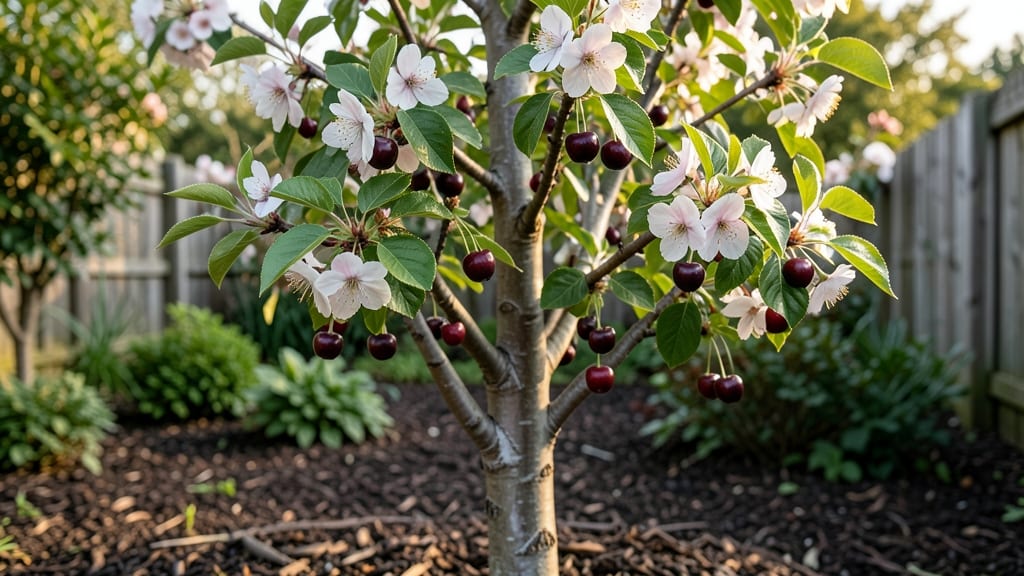
Pruning a Joel bush cherry transforms it from a tangle of branches into a productive, sunlit fruit machine. 🌿 I’ve watched mine go from scraggly to bursting with dark, sweet cherries in just three years—all thanks to four strategic cuts timed to the seasons.
The key isn’t just when you prune, but how you shape the tree to balance growth and fruit. This variety thrives in full sun and well-draining soil, but its real magic happens in the pruners.
You’ll focus on opening the center for light, thinning crowded branches, and encouraging outward growth—not just hacking away. The first cut in late winter sets the stage, while summer pruning keeps it in check before harvest.
By fall, you’ll see the payoff: clusters of tart-sweet cherries ripening in late summer, with branches heavy but not breaking. The tree stays compact enough for small yards but productive enough to feed a family. Even better? It’s disease-resistant and handles heat and drought once established.
For those with limited space or time, this is the cherry that delivers—no ladder required. Just grab your pruners and let’s get to work!
📚 In This Guide
- What you need
- Instructions
- Tips and common mistakes
- Wrapping up and next steps
What you need
- ● Pruning shears – Bypass pruners (sharp, clean, 4-6 inch blades) for small branches.
- ● Loppers – For branches ½ to 1½ inches thick (long-handled for reach).
- ● Pruning saw – 7-10 inch curved blade for thick branches (>1½ inches).
- ● Disinfectant – 70% isopropyl alcohol or bleach solution (1 part bleach : 9 parts water) to sterilize tools between cuts.
- ● Garden gloves – Cut-resistant, breathable fabric (e.g., leather or synthetic blend).
- ● Heavy-duty trash bags – For removing debris (2-3 bags per session).
- ○ Pruning sealant – Optional but recommended (e.g., Tanglefoot Tree Wound Pruning Seal) for cuts >½ inch.
- ● Ladder or step stool – Sturdy, non-slip (if tree exceeds 6 feet).
- ● Winter (Dormant Season): Marking paint – White or silver (e.g., FeltTip Paint Pens) to tag cuts for future reference.
- ● String & stakes – For temporary support if removing large branches.
- ● Spring (Growth Season): Fertilizer – Balanced 10-10-10 or organic compost (1-2 lbs per tree).
- ● Summer/Fall (Maintenance): Mulch – 2-3 inch layer of shredded bark to retain moisture.
- ● ✨ Sterilize tools between each cut to prevent bacterial/fungal spread (especially in wet seasons).
- ● 🌡️ Work on dry, sunny days—wet wood splinters and spreads disease.
- ● 🎯 Label branches you’re unsure about with flags or tape before cutting!
Step-by-step pruning guide for Bush Cherry Joel
Here's how I keep my Bush Cherry Joel thriving year-round with just four strategic cuts.
✂️ Step 1: Late Winter Dormant Pruning (February)
This is the most critical cut of the year—when the tree is fully dormant but before buds swell. I start by removing any dead, diseased, or crossing branches first. These are easy to spot: they're brown, brittle, or growing inward where they'll rub against each other. Use clean, sharp pruners to make cuts at a 45-degree angle, about ¼ inch above an outward-facing bud.
Next, thin out about 20% of the oldest wood to improve air circulation. Focus on branches thicker than ½ inch—these are the ones that compete with fruit production. I always step back after each cut to visualize the tree's shape. The goal is an open center with light penetrating to the inner branches. This ensures next year's fruit gets proper sunlight and air flow.
🌿 Step 2: Post-Harvest Light Pruning (June-July)
After the main harvest, I do a quick clean-up cut to remove any branches that bore poorly or showed signs of disease. Look for clusters where fruit was small or sparse—these branches often need rejuvenation. I also trim back any vigorous shoots growing from the base or along the trunk, cutting them back to just above a leaf bud.
This light pruning prevents overcrowding and helps the tree redirect energy toward next year's fruit production. I never remove more than 10% of the canopy in this step—think of it as maintenance rather than structural shaping. Water the tree deeply after pruning to help it recover from the minor stress.
☀️ Step 3: Summer Thinning (August)
When the new season's fruit clusters appear but are still small (about 1 inch in diameter), I thin them to 6-8 fruits per cluster. This might sound counterintuitive, but larger fruit develops when the tree isn't overburdened. I remove the smallest, weakest-looking fruits first, keeping the largest and healthiest ones.
While thinning, I also look for any suckers growing from the base or any branches that grew too vigorously this spring. These can be pruned back immediately to prevent them from stealing energy from fruit production. The key here is to work on a dry day when the tree isn't stressed from heat or drought.
⏰ Step 4: Fall Cleanup (October-November)
As leaves begin to fall but before hard frosts, I do a final cleanup. Remove all dead or diseased branches first, then any branches that grew poorly during the season. I also cut back any water sprouts—those vertical shoots that grow straight up from the trunk or branches. These are easy to spot because they're thin and don't bear fruit.
This final pruning helps the tree enter dormancy in good health. I always sterilize my pruners between cuts using rubbing alcohol to prevent spreading any potential diseases. After pruning, I apply a 2-3 inch layer of mulch around the base (keeping it 6 inches away from the trunk) to protect roots through winter.
Tips & tricks for perfect Bush Cherry Joel pruning
These simple strategies will help you maintain your Bush Cherry Joel with confidence and precision.
Tool Preparation: Always sterilize your pruners with rubbing alcohol between cuts—especially when removing diseased branches. I learned this the hard way after losing a branch to fungal spread. Sharp tools make cleaner cuts that heal faster, so take 5 minutes to hone your blades before you start. A clean cut at a 45-degree angle (as mentioned in Step 1) prevents water from pooling and reduces disease risk.
Visualization Technique: After removing branches in Step 1, step back and visualize the tree's shape from all angles. The goal is an open center that allows sunlight to reach inner branches. I use a simple trick: hold your arm straight out and see if you can fit your fist between branches at the center. If not, you need to remove more. This open structure prevents fungal issues and ensures even fruit ripening.
Seasonal Timing: The timing of each pruning step matters more than you might think. In Step 3, when thinning fruit clusters in August, wait until they're about 1 inch in diameter—this ensures you're not removing fruit that could still develop. I mark my calendar with these dates so I don't accidentally prune at the wrong time. Proper timing means better fruit quality and less stress on the tree.
Mulching Strategy: After your fall cleanup (Step 4), apply that 2-3 inch layer of mulch but keep it 6 inches away from the trunk. This protects roots while preventing moisture buildup against the bark. I use shredded bark mulch because it breaks down slowly and improves soil structure over time. Just remember to refresh it annually—old mulch loses its insulating properties.
Pro Tips for Bush Cherry Joel
- These simple strategies will help you maintain your Bush Cherry Joel with confidence and precision.
- Tool Preparation: Always sterilize your pruners with rubbing alcohol between cuts—especially when removing diseased b...
- Visualization Technique: After removing branches in Step 1, step back and visualize the tree's shape from all angles....
Frequently asked questions
When is the best time to prune a Bush Cherry Joel?
Prune your Bush Cherry Joel in four key seasons: late winter (before buds swell), early spring (after flowering), mid-summer (to shape growth), and late fall (cleanup). Avoid pruning during extreme cold or heat. Pro tip: Lightly trim after heavy fruit harvests to redirect energy for next year’s crop.
How much can I cut back without harming the tree?
Never remove more than 25% of the canopy in a single session. For young trees, limit cuts to dead or crossing branches (10–15%). Mature trees tolerate 1/3 of old wood removal every 3–4 years. Warning: Over-pruning stresses the tree—patience yields better fruit!
Will pruning reduce my cherry harvest?
Not if done right! Pruning boosts fruit quality by improving airflow and sunlight. Remove water sprouts and shaded branches—these steal energy. Focus on open-center shaping to maximize fruit-bearing wood. First-year pruning may seem harsh, but it sets up future bounty.
What should I do if my tree isn’t fruiting after pruning?
Check these fixes:
- Age: Young trees (<3 years) need time to mature.
- Sunlight: Ensure 6+ hours of direct sun daily.
- Soil: Test for low phosphorus/potassium—cherries love fertile, slightly acidic soil (pH 6.0–6.5).
- Pests/Disease: Inspect for aphids, birds, or fungal spots.
Are there alternatives to hand-pruning?
Yes! For large trees, use:
- Pole pruners (for high branches).
- Hedge shears (for shaping dense foliage).
- Topiary tools (if growing as an ornamental).
Wrapping up and next steps
Mastering the art of pruning your Bush Cherry Joel is the secret to a thriving, fruit-filled tree year after year! 🌿 With the right seasonal cuts—spring, summer, fall, and winter—you’ll encourage healthy growth, maximize sweet berries, and keep pests at bay. Remember, patience and consistency are key, so don’t rush the process.
Now that you’re armed with the knowledge, roll up your sleeves and give your tree the TLC it deserves! Grab your pruners, follow the steps you’ve learned, and enjoy the rewarding harvest of juicy, flavorful cherries. Happy pruning—and may your fruit bounty be plentiful! 🍒✨
Next step? Mark your calendar for your first pruning session—spring is the perfect time to start!