
Shrubs
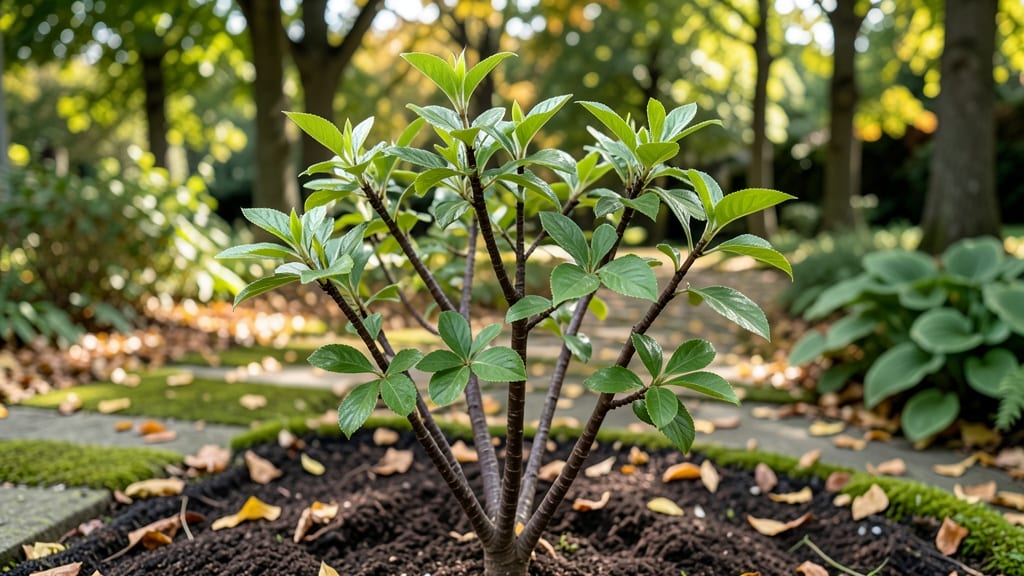
Pruning young burning bush plants is best done in late winter or early spring to promote healthy growth and maintain their natural shape, while avoiding heavy cuts until they reach at least 3 years old. This prevents stressing the plant and preserves its stunning fall foliage potential.
Timing matters more than you might think with young burning bushes. 🌿 Pruning during dormancy (late winter/early spring) lets the plant focus its energy on new growth rather than healing wounds.
If you cut back too aggressively in their first few years, you risk stunting their root development and diluting the vibrant red fall color they're known for. Think of it like shaping a young tree—you want to guide growth, not force it.
Here's what I've learned from years of working with these shrubs: the first few years are all about establishing a strong framework. A light trim to remove dead or crossing branches is enough to keep them looking neat without compromising their future blooms.
The real payoff comes in years 3-5 when they've built up enough energy to handle more dramatic shaping.
💡 In This Article
- How Pruning Affects Young Burning Bush Growth and Blooms
- Step-by-Step Pruning Guide for New Burning Bush Shrubs
How pruning affects young burning bush growth and blooms
Pruning young burning bushes at the right time is about more than just aesthetics—it's about how the plant allocates its energy. When you trim during late winter or early spring, you're working with the plant's natural dormancy cycle.
During this period, the shrub isn't actively growing, so any cuts you make won't stimulate new growth that could divert energy from root development. This is crucial because young burning bushes need to establish a strong root system first—roots that can support the plant's future growth and vibrant fall foliage.
The science behind this involves the plant's hormonal balance. Pruning stimulates the production of auxin, a plant hormone that regulates growth. In young plants, too much auxin from aggressive pruning can lead to excessive shoot growth at the expense of root development.
This imbalance means the plant will put more energy into producing leaves and stems rather than building the robust root network needed to sustain its signature red fall color.
Think of it like a teenager who focuses too much on height rather than building strong bones—eventually, they'll struggle to support their own weight.
Another key factor is how pruning affects the plant's carbohydrate reserves. Burning bushes store energy in their roots and stems, which they'll use to fuel new growth in spring and the spectacular fall foliage.
Heavy pruning early on depletes these reserves, leaving less energy for the plant to recover and produce its signature red leaves. For example, a three-year-old burning bush that's heavily pruned might produce only half as much vibrant fall color compared to one that was lightly shaped.
The difference comes down to how much energy the plant has stored for its seasonal display.
What most gardeners don't realize is how the plant's age affects its resilience. Young burning bushes have limited energy reserves, so even a moderate pruning can stress them. A good rule of thumb is to remove no more than 25% of the plant's total foliage in its first two years.
This keeps the plant's energy focused on establishing a strong framework rather than healing from pruning wounds. For instance, if you have a two-year-old burning bush that's about 3 feet tall, you might only trim back a few branches that are crossing or growing in the wrong direction.
Timing also plays a role in disease prevention. Pruning during dormancy reduces the risk of fungal infections because there are fewer leaves to trap moisture and create ideal conditions for pathogens.
Wet foliage combined with warm temperatures after pruning can lead to issues like powdery mildew, which is particularly problematic for young plants still building their defenses. Always use clean, sharp tools to make clean cuts that heal quickly, and avoid pruning when rain is forecasted for the next few days.
Here's what happens if you prune too early or too late: Pruning in late spring or summer can stimulate new growth that won't have time to harden off before winter, making it more susceptible to frost damage.
On the other hand, pruning too late in winter (just before buds start to swell) can remove potential flowering stems. The ideal window is typically between mid-February and early April, depending on your climate zone.
This timing ensures you're not interfering with the plant's natural growth cycle while still giving it plenty of time to recover before summer.