
Pruning
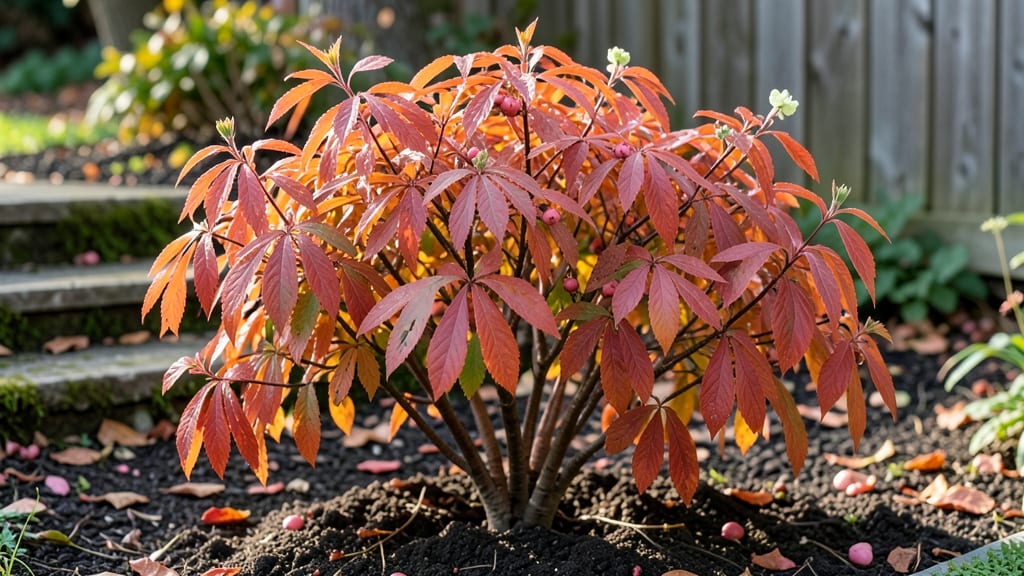
Growing Burning Bush Compacta means vibrant red foliage that lasts all year—no dead branches, no guesswork. 🌿 This compact shrub (3-4 feet tall) thrives in zones 4-8, and its layered branches create natural texture that landscapers love.
The key? Pruning at the right time to keep it tidy without sacrificing color.
It’s a low-maintenance plant that still demands attention to detail. Plant it in full sun to partial shade with well-draining soil—sandy loam works best—and space plants 3-4 feet apart for airflow. Water deeply once a week after planting, then taper off as roots establish.
The real magic happens in late winter or early spring, when you shape it for the season ahead.
By summer, your shrub will be a bold focal point with glossy green leaves turning fiery red in fall. Prune lightly after flowering to encourage dense growth, and avoid heavy cuts—this shrub rewards patience.
Whether you’re lining a pathway or framing a patio, it’s the shrub that does it all with minimal fuss.
Works equally well in containers (choose a 15-gallon pot) or planted in the ground. For best results, feed it in early spring with a balanced fertilizer—10-10-10—and watch it thrive with almost no effort. Here’s how to keep it looking its best year after year.
📚 In This Guide
- What you need
- Instructions
- Tips and common mistakes
- Wrapping up and next steps
What you need
- ● Burning Bush Compacta shrub – 1 mature plant (3–4 ft tall at maturity) or 3–5 young plants for fuller coverage.
- ● Well-draining soil – Amend with compost or peat moss (1–2 bags) if your soil is heavy clay.
- ● Mulch – 2–3 bags of wood chips or pine straw to retain moisture and suppress weeds.
- ● Fertilizer – Balanced 10-10-10 or slow-release shrub fertilizer (1 lb per plant).
- ● Sharp bypass pruners – One pair (for clean cuts on smaller stems).
- ● Loppers – One pair (for thicker branches, up to 1.5 inches).
- ● Hand pruners (felco or similar) – One pair (for precision trimming).
- ● Rubbing alcohol (70% or higher) – Small bottle to sanitize tools between cuts.
- ● Garden gloves – One pair (cut-resistant for safety).
- ○ Pruning saw (optional) – For very thick branches (rare in Compacta).
- ● Pruning shears with a saw blade – For clean cuts on stubborn stems.
- ● Plant food with iron – Boosts vibrant foliage if leaves look pale.
- ● Spray bottle with water – Keeps tools cool and dust-free during pruning.
- ● Disposable pruning bags – For quick cleanup of clippings.
Precision pruning guide for year-round Burning Bush Compacta color
Here's how to transform your Compacta into a vibrant, low-maintenance focal point that delivers bold foliage all season long.
✂️ Step 1: Time Your First Spring Renewal Cut
Wait until late winter or early spring—right after your last frost date—when new growth begins but before buds swell. This timing ensures you remove last year's dead stems while preserving next year's color potential. I look for dormant stems with no visible buds to identify what's truly dead.
Use sharp, clean pruners to cut back 1/3 of the oldest stems to the ground. These are the ones that look completely bare and woody. The remaining stems will carry the plant through summer while new growth replaces the pruned stems. Never remove more than 1/3 in one season—this shrub thrives on gradual renewal.
🌿 Step 2: Shape for Density During Active Growth
Once new growth emerges in late spring, focus on shaping rather than drastic cuts. I wait until 6-8 inches of fresh green growth appears before touching the plant again. This ensures we're working with established stems that can handle pruning.
Remove any crossing branches that rub together—these create wounds where disease can enter. Thin out the interior to improve airflow, which prevents fungal issues. For a compact shape, cut back some of the longest stems by 1/4 to 1/3 to encourage bushier growth. Always cut just above an outward-facing bud to maintain the plant's natural form.
☀️ Step 3: Summer Maintenance for Consistent Color
Throughout summer, monitor for stems that lose their vibrant color or develop bare patches. These are your signals to act. In mid-summer, I perform light maintenance pruning to remove any stems that have faded or grown too leggy. Cut these back to a side branch or bud that shows good color.
This isn't about drastic shaping—just keeping the plant looking its best. I avoid heavy pruning in summer as it can stimulate tender new growth that won't harden off before fall. Instead, focus on removing just the problematic stems. Water deeply after pruning to help the plant recover quickly.
⏰ Step 4: Fall Cleanup for Winter Preparation
As temperatures drop below 50°F at night, perform your final pruning of the year. Remove any stems that have lost their color completely or show signs of disease. Cut these back to healthy wood, but avoid heavy pruning that would stimulate new growth before winter.
Leave the plant with a natural, slightly open shape—this allows snow to slide off easily and prevents winter damage. Compacta handles cold well, but I still protect it by applying 2-3 inches of mulch around the base. This insulates the roots and helps maintain consistent soil temperatures through winter.
🌱 Step 5: Winter Inspection and Adjustments
During winter, I perform a quick inspection every 4-6 weeks to check for any stems damaged by cold or snow. If I find any completely dead branches (they'll be brittle and snap easily), I remove them in late winter before new growth begins. This keeps the plant looking tidy without disturbing the dormant structure.
Resist the urge to prune during winter dormancy—wait until you see those first green tips in spring. The plant's energy is focused on root development during this time, and pruning would disrupt that process. Your winter inspections are just about removing obvious deadwood to make spring cleanup easier.
Tips & tricks for perfect Burning Bush Compacta pruning
These precision-focused strategies will help you maintain your Compacta's vibrant foliage while avoiding common pruning pitfalls that compromise its year-round color display.
Timing is Everything: The late winter/early spring timing in Step 1 is critical because it aligns with the plant's natural dormancy period. I've found that waiting until you see those first green tips (but before buds swell) ensures you're only removing truly dead stems. The key visual cue is dormant stems with no visible buds—these are the ones to cut back to the ground. This precise timing prevents accidentally removing stems that will produce next year's vibrant foliage.
Pruning Technique Matters: When shaping in Step 2, always cut just above an outward-facing bud—this is the golden rule for maintaining your Compacta's natural form. I use a simple trick: imagine the bud is at the top of a clock face. If you cut above a bud pointing outward (like 9 o'clock or 3 o'clock), you'll encourage new growth that continues the plant's natural shape. This technique creates that lush, compact appearance that makes Compacta so desirable. Avoid cutting at sharp angles which can create entry points for disease.
Seasonal Adjustments: The 50°F nighttime temperature threshold in Step 4 is your cue for fall cleanup. I've learned this the hard way—pruning too late in fall can stimulate tender new growth that won't survive winter. Instead, focus on removing only completely colorless or diseased stems. The natural, slightly open shape you leave behind allows snow to slide off easily, which prevents winter damage. For extra protection, I always apply 2-3 inches of mulch around the base—this insulation helps maintain root temperature consistency through winter's fluctuations.
Equipment Essentials: Sharp, clean pruners are non-negotiable for healthy pruning. I invest in high-quality bypass pruners that make clean cuts without crushing stems. Before each pruning session, I disinfect my tools with rubbing alcohol to prevent spreading disease between cuts. For larger stems, I use loppers with a similar bypass blade. Remember that clean cuts heal faster and are less susceptible to infection, which is especially important for a plant like Compacta that thrives on good health.
Pro Tips for Burning Bush Compacta
- These precision-focused strategies will help you maintain your Compacta's vibrant foliage while avoiding common pruning pitfalls that compromise its year-round color display.
- Timing is Everything: The late winter/early spring timing in Step 1 is critical because it aligns with the plant's natural dormancy period.
- Pruning Technique Matters: When shaping in Step 2, always cut just above an outward-facing bud—this is the golden rule for maintaining your Compacta's natural form.
Frequently asked questions
When is the best time to prune Burning Bush Compacta?
Prune your Burning Bush Compacta right after flowering (late spring to early summer). This ensures you don’t cut off next year’s blooms while maintaining its compact shape. Avoid heavy pruning in fall or winter, as new growth won’t harden off before cold snaps. Pro tip: Use clean, sharp shears to avoid tearing branches!
How much can I trim back my Burning Bush Compacta?
You can safely trim back up to one-third of its height or width per year without harming it. For a Compacta variety, aim for a 25–30% reduction to encourage bushier growth. Over-pruning may stress the plant, so avoid drastic cuts unless rejuvenating an overgrown shrub. Always step back and assess for balance!
Why are the leaves turning brown or crispy?
Brown or crispy leaves often signal underwatering, overwatering, or heat stress. Check the soil—it should be moist but not soggy. Burning Bush Compacta thrives in well-draining soil; amend heavy clay with compost. If leaves curl in summer, provide afternoon shade or mulch to retain moisture. Need more help? Inspect for pests like spider mites too!
Are there drought-tolerant alternatives to Burning Bush Compacta?
Yes! If you’re seeking low-maintenance, drought-tolerant shrubs with color, consider:
- Dwarf Fothergilla (Fothergilla gardenii): Vibrant fall foliage, compact size.
- Abelia (Abelia x grandiflora): Blooms summer to fall, handles dry spells.
- Dwarf Ninebark (Physocarpus opulifolius ‘Little Devil’): Deep red stems, tolerates poor soil.
How cold-hardy is Burning Bush Compacta?
Burning Bush Compacta is USDA Zones 3–8 hardy, meaning it survives winters as low as -30°F (-34°C). However, young plants may need winter protection (like mulch) in their first few years. In Zone 8+, provide afternoon shade in peak summer to prevent leaf scorch. Bonus: Prune in early spring if winter damage occurs!
Wrapping up and next steps
The Burning Bush Compacta is a stunning, low-maintenance shrub that brings vibrant color to your garden year-round—with just a little pruning know-how! Whether you're trimming for shape, health, or blooms, the key is timing and technique.
With the right tools and a confident hand, you’ll keep this beauty thriving for seasons to come.
Ready to take the next step? 🌿 Start small—grab your pruners and give your Compacta a light trim this weekend. Watch it flourish, and soon, you’ll be the go-to gardener for year-round color!