
Pests and Diseases
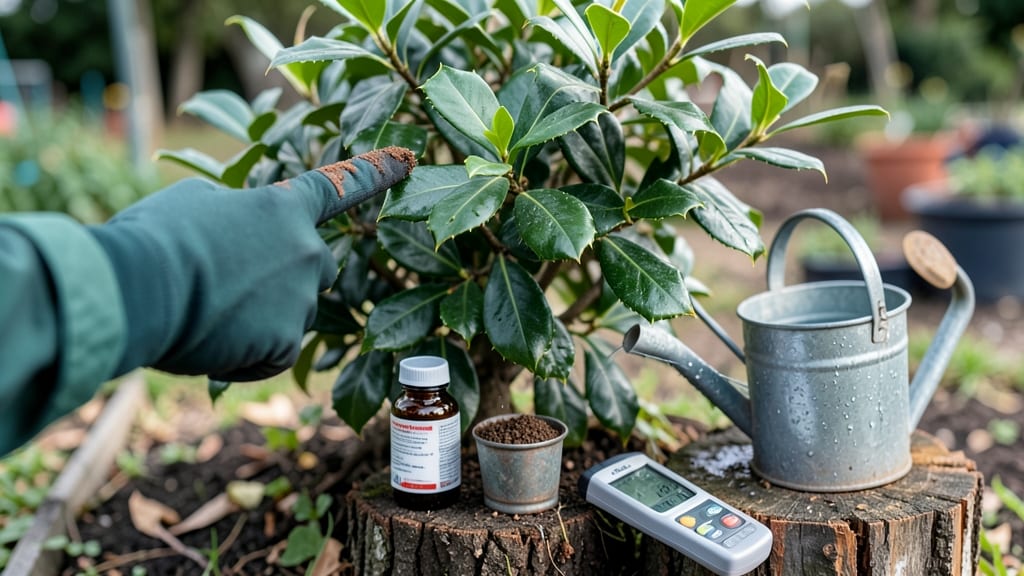
Those crispy brown tips on your holly bush aren't just unsightly—they're a cry for help from your plant. 🌿 Winter burn, salt spray, or even spider mites could be the culprit, but the good news is these fixes are simple and effective.
I've nursed back holly bushes with worse damage, and I'll show you exactly how to diagnose the problem and revive your plant's lush green appearance.
First, check the edges of those brown tips—they tell the real story. If the damage looks like it was singed by frost or salt, you're dealing with winter burn. For spider mites, look for tiny webs on the undersides of leaves.
Overwatering or poor drainage can also cause stress, but the solutions are straightforward once you know what you're dealing with.
With the right care, your holly bush will bounce back stronger than ever. Prune away the damaged tips, adjust your watering routine, and give it a boost with a balanced fertilizer.
In just a few weeks, you'll see fresh new growth pushing out, and those brown tips will be a distant memory.
This method works for both indoor and outdoor holly bushes, no matter the season. The key is acting quickly and giving your plant the specific care it needs. Let's get those holly leaves looking vibrant again!
The Hidden Triggers Behind Brown Tips
If your holly bush is sporting unsightly brown tips, don’t panic—it’s often a sign of environmental stress rather than a fatal disease. Understanding the root causes is the first step to reviving your plant’s vibrant green foliage.
Below, we break down the most common culprits, backed by science, so you can diagnose the issue and take action.
🌡️ Winter Burn: Cold + Wind = Frozen Foliage
Holly bushes are hardy, but when winter hits with a mix of freezing temperatures and drying winds, their leaves can develop brown, crispy tips—a condition called winter burn. Here’s why it happens:
- Desiccation from Wind: Wind strips moisture from leaves faster than the roots can replace it, leading to dehydration. Holly leaves are waxy but not windproof.
- Cold Stress: Below-freezing temps (<32°F or 0°C) can damage cell membranes in the leaf tips, causing them to turn brown and die.
- Sun Exposure: South- or west-facing holly bushes are more vulnerable because winter sun can warm the leaves while roots remain cold in frozen soil.
💡 Pro Tip: Mulch heavily (3–4 inches) around the base in late fall to insulate roots. Use burlap or frost cloth to shield bushes from harsh winds, especially in exposed areas.
💧 Overwatering or Poor Drainage: Drowning the Roots
Holly bushes hate soggy feet. When soil stays waterlogged—whether from overzealous watering or compacted, poorly draining soil—the roots suffocate, starving the leaves of nutrients and oxygen. This stress manifests as brown tips, often accompanied by yellowing leaves.
- Root Rot Risk: Fungal pathogens like Phytophthora thrive in waterlogged conditions, blocking water uptake and causing leaf tip necrosis.
- Nutrient Starvation: Waterlogged soil locks out oxygen, forcing roots to "drown." Without oxygen, roots can’t absorb essential nutrients like nitrogen or potassium, leading to browning.
- Salt Buildup: Overwatering with tap water (high in chlorine/sodium) can accumulate salts in the soil, further stressing the plant.
🔥 Fix It: Test your soil’s drainage by digging a 12-inch hole—if water pools after 6 hours, amend with compost or sand. Water deeply but infrequently (1–1.5 inches per week) and avoid wet feet by ensuring raised beds or slopes.
🍂 Underwatering: A Slow, Silent Threat
While overwatering gets more attention, chronic underwatering is a sneaky cause of brown tips. Holly bushes need consistent moisture, especially during dry spells or high heat. When roots dry out:
- Transpiration Outpaces Uptake: Leaves lose moisture faster than roots can replenish it, causing the tips to dry out and brown.
- Nutrient Transport Stalls: Water acts as a conduit for nutrients. Without enough, holly leaves can’t get the potassium and calcium needed to maintain cell integrity.
- Soil Compaction: Hard, dry soil prevents roots from reaching deeper water sources, worsening the problem.
⏰ Schedule Check: Stick your finger 2 inches into the soil—if it’s dry, water slowly until moisture reaches 6–8 inches deep. Drip irrigation or soaker hoses are ideal for even hydration.
🌿 Mineral Deficiencies: What Your Holly Isn’t Telling You
Brown tips can signal a nutrient imbalance, particularly deficiencies in:
- Potassium (K): Critical for cell function, potassium deficiency causes brown, dead tips (often with yellowing between veins). Test soil pH—holly prefers acidic soil (pH 4.5–6.0).
- Calcium (Ca): Essential for cell wall strength, a deficiency leads to tip burn (brown, crispy edges). Amend soil with gypsum or crushed eggshells if calcium is low.
- Magnesium (Mg): Part of chlorophyll, a deficiency causes yellowing between veins followed by brown tips. Use Epsom salt (magnesium sulfate) as a foliar spray.
📊 Test First: A simple soil test ($15–$25) reveals deficiencies. For quick fixes, use a balanced acid-loving plant fertilizer (e.g., 10-10-10) in early spring and fall.
☠️ Pests or Pathogens: The Silent Saboteurs
While less common, insects or diseases can mimic brown tips. Look for these red flags:
- Spider Mites: Tiny pests suck sap, causing stippled, browned leaves. Check undersides for webbing.
- Scale Insects: These armored bugs excrete honeydew, leading to sooty mold (black fungus) and browned tips.
- Fungal Leaf Spot: Brown spots with yellow halos (often from Cercospora fungus) thrive in humid conditions.
🔪 Treat Early: Spray with neem oil or insecticidal soap for pests. For fungal issues, remove infected leaves and apply copper fungicide preventatively in spring.
Now that you know the culprits, the next step is action—but the key is identifying which trigger matches your holly’s symptoms. Start with the most likely cause (winter burn or water issues) and work your way down the list!
Fixing holly bush brown tips naturally
Now that you know the likely causes behind those unsightly brown tips on your holly bush—whether it’s winter burn, pests, disease, or environmental stress—it’s time to take action! The good news?
Most issues can be resolved with simple, garden-friendly fixes. Below, we’ve mapped out practical solutions for each common cause, plus prevention tips to keep your holly bush thriving year-round.
Winter burn is the most common culprit, especially in sunny, cold climates. Here’s how to nurse your holly back to health:
Step 1: Trim the Damaged Tips 🌱
- Use clean, sharp pruners to snip off the brown, crispy tips.
- Cut just above a healthy leaf or bud to encourage new growth.
- Pro Tip: 💡 Avoid cutting into green tissue—stick to dead areas only!
Step 2: Hydrate Deeply 💦
- Water the base of the plant slowly and deeply (about 1 inch per week, more in extreme heat).
- Use a soaker hose or drip irrigation to avoid wetting the foliage (which can attract pests).
- Morning watering is best—it allows leaves to dry before evening.
Step 3: Mulch for Moisture Retention 🌿
- Apply 2–3 inches of organic mulch (like shredded bark or pine needles) around the base.
- Keep mulch 6 inches away from the trunk to prevent rot.
- Pro Tip: ✨ Mulch also insulates roots in winter—double duty!
Step 4: Shield from Harsh Elements ☀️❄️
- For sun scorch: Install shade cloth (30–50%) during peak afternoon sun (12 PM–4 PM).
- For windburn: Use burlap windbreaks or plant wind-resistant shrubs nearby.
- Prevention for next winter: Apply an anti-desiccant spray (like Wilt-Pruf) in late fall before temperatures drop below freezing.
If spider mites, scale, or aphids are the culprits, act fast to prevent spread:
🔍 Identify the Pest First
- Spider mites: Look for tiny webs on undersides of leaves.
- Scale insects: Check for brown bumps stuck to stems/leaves.
- Aphids: Spot sticky residue (honeydew) and curled leaves.
🚿 Blast Off Pests with Water 💦
- First line of defense: Spray leaves forcefully with water (early morning) to dislodge pests.
- Soap spray (mild): Mix 1 tbsp mild dish soap + 1 quart water in a spray bottle. Test on a small area first!
🌿 Natural Remedies
- Neem oil: Mix 1 tsp neem oil + 1 tsp mild soap + 1 quart water.
Spray every 7–10 days until pests vanish. - Beneficial insects: Release ladybugs or lacewings (available at garden centers) to eat aphids naturally. - Pro Tip: 🌡️ Avoid chemical pesticides—they can harm pollinators and worsen the problem!
🔄 Long-Term Prevention
- Prune regularly to improve airflow (pests love dense, humid areas).
- Encourage predators: Plant marigolds or dill nearby to attract pest-eating insects.
Brown tips from fungal diseases (like powdery mildew or leaf spot) need proactive care:
🧹 Clean Up Debris 🧹
- Remove fallen leaves, branches, and mulch from around the base (fungi love hiding there).
- Sterilize pruners with rubbing alcohol between cuts to prevent spread.
💊 Apply Fungicide
- Baking soda spray: Mix 1 tbsp baking soda + 1 tsp soap + 1 gallon water.
Spray weekly for powdery mildew. - Copper fungicide: Follow label instructions for leaf spot or anthracnose. - Pro Tip: 🎯 Water at the base (not overhead) to keep leaves dry—fungi thrive in moisture!
🌿 Boost Plant Health
- Fertilize lightly with a balanced, slow-release fertilizer (10-10-10) in early spring.
- Avoid overwatering—holly prefers slightly dry soil between waterings.
If your holly is struggling from poor soil, over/under-watering, or transplant shock, tweak its environment:
💧 Check Watering Habits
- Underwatering? Brown tips may mean thirsty roots. Water deeply 2–3 times per week (adjust for clay vs. sandy soil).
- Overwatering? Yellowing leaves + brown edges = root rot risk. Let soil dry 1–2 inches deep before watering.
🌱 Soil & Nutrition Fixes
- Test soil pH: Holly prefers acidic soil (pH 4.5–5.5). Add peat moss or sulfur if needed.
- Feed in spring: Use an acid-loving plant fertilizer (like for azaleas) to replenish nutrients.
🌳 Transplant Shock Recovery
- If recently planted, water deeply daily for the first 2 weeks, then taper to weekly.
- Mulch heavily (4 inches) to stabilize soil temperature and moisture.
Stop brown tips before they start with these easy maintenance habits:
- 🍂 Fall Prep: Apply anti-desiccant spray and mulch before winter.
- ☀️ Summer Care: Provide afternoon shade during heatwaves.
- 🐜 Pest Patrol: Inspect leaves weekly for early signs of pests.
- 💧 Water Wisely: Stick to deep, infrequent watering (holly hates soggy roots).
- 🌿 Prune Smart: Trim only dead/diseased branches—never more than 1/3 of the bush at once.
With these fixes, your holly bush should bounce back stronger—and those brown tips will be a thing of the past! 🌿✨ For persistent issues, consider a soil test or consulting your local cooperative extension service for tailored advice.
Frequently asked questions
Are brown tips on holly bushes always caused by winter damage?
Not necessarily! While winter burn is common, brown tips can also signal overwatering, underwatering, pest infestations (like spider mites), or nutrient deficiencies. Check the leaf edges: crispy, dry tips often mean environmental stress, while sticky residue suggests pests. Start by adjusting watering habits and inspecting leaves closely.
How do I know if my holly bush has spider mites instead of winter burn?
Look for tiny webs on leaf undersides and stippled yellowing between veins—classic spider mite signs. Winter burn usually affects leaf edges only and occurs after cold snaps. Hold a white sheet under the bush and shake it: mites will drop onto the fabric. If you see them, treat with neem oil or insecticidal soap.
Can I prune brown tips off my holly bush in winter?
Yes, but wait until late winter or early spring (after the worst cold passes). Prune only dead/brown tips—never healthy tissue. Use sterilized pruners to avoid spreading disease. Avoid heavy pruning in winter, as new growth may be damaged by frost. Focus on cleanup first, then fertilize in spring for recovery.
Will my holly bush recover from brown tips if I fix the problem?
Holly bushes are resilient. Once you address the root cause (water, pests, or winter stress), new growth will emerge from healthy buds. Prune damaged tips, adjust care, and within 4–8 weeks, you’ll see fresh green leaves pushing out. For severe cases, apply a balanced fertilizer (like 10-10-10) to support recovery.
How can I prevent brown tips next winter?
Start with proper mulching (3–4 inches of organic material), anti-desiccant spray (like Wilt-Pruf), and windbreaks (burlap or shrubs). Water deeply before winter to hydrate roots, then reduce frequency. Avoid fertilizing late in the season, as new growth is vulnerable to frost. For exposed bushes, add shade cloth in late afternoon.