
How To
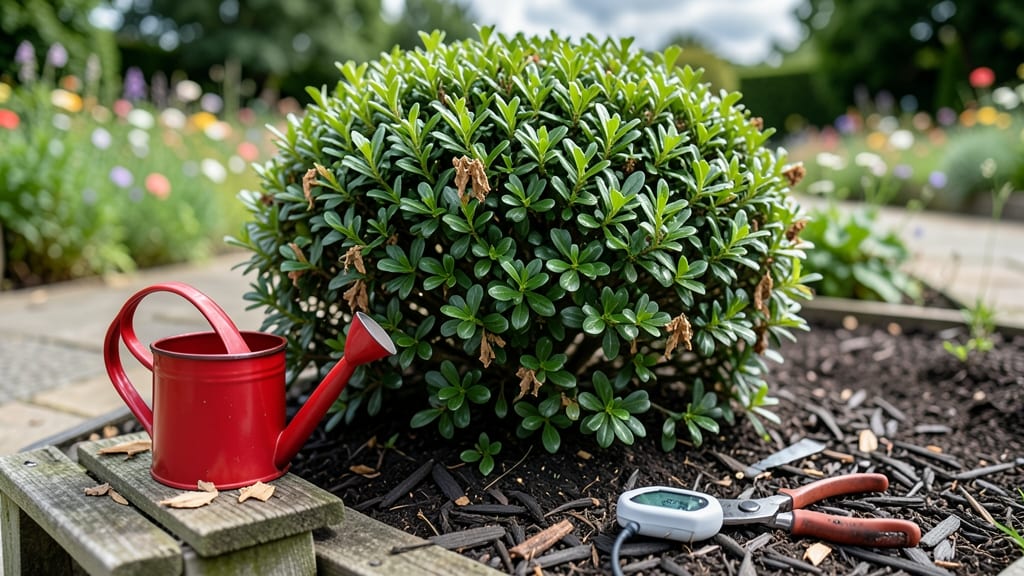
Brown tips on bushes don’t mean your plants are dying—often, they’re just screaming for help. 🌿 I’ve nursed back more than my share of crispy-edged shrubs, and the fix usually starts with understanding what’s really wrong.
Is it thirst, too much water, or something sneaky like pests? Let’s cut through the guesswork and get your bushes looking lush again.
The most common culprits are underwatering (which stresses roots) or overwatering (which drowns them), but nutrient deficiencies and even fungal issues can cause the same symptoms. My go-to first step? Check the soil moisture—if it’s bone dry or soggy, that’s your answer.
Copper spray isn’t just a last resort; it’s a powerful tool against fungal diseases that can mimic these brown tips, especially in humid climates.
With the right approach, you’ll see new growth within weeks—not just stopping the damage, but restoring that deep green vitality. I’ve seen bushes bounce back from 80% browning with consistent care, and the key is acting fast before the problem spreads deeper.
Prune the dead tips, adjust your watering, and give them a nutrient boost—they’ll thank you with fresh, vibrant foliage.
This works for boxwoods, azaleas, and even your stubborn shrubs that refuse to cooperate. Whether it’s a 30-second soil check or a weekly copper spray routine, small changes make all the difference. Let’s turn those brown tips into a thing of the past.
Root Causes Of Browning Tips
Seeing brown tips on your bushes can feel like a mystery—especially when you’ve been watering and caring for them just right. 🌿 But don’t worry! Most cases boil down to a few key environmental or maintenance issues.
Below, we break down the real culprits behind those crispy edges, so you can diagnose and fix the problem fast.
Brown tips often start as a sign of root stress, and overwatering is the #1 offender. When soil stays soggy for too long, roots suffocate from a lack of oxygen, leading to nutrient uptake issues.
Over time, this causes the leaf edges to dry out and turn brown—even if the soil feels damp.
But here’s the twist: underwatering can cause the same symptom! If the soil dries out too quickly, roots struggle to deliver moisture to the leaf tips, leaving them dehydrated and crispy. Test your soil by sticking your finger 1-2 inches deep—if it’s bone-dry or muddy, your watering routine needs adjustment.
Quick fix: Amend heavy or clay soil with compost to improve drainage. For potted bushes, ensure pots have drainage holes and use a well-draining potting mix.
Hot, dry winds or sudden temperature swings (like late-summer heatwaves or winter freezes) can scorch leaf edges, leaving them brown and brittle. This is especially common in broadleaf evergreens (like boxwood or holly) or tender perennials.
Wind burn happens when transpiration (water loss through leaves) outpaces the plant’s ability to absorb moisture from the roots. The tips dry out first because they’re the farthest from the water supply. If you notice browning only on the exposed sides of the bush, wind is likely the culprit.
Quick fix:
- ✨ Mulch around the base to retain soil moisture.
- 🌿 Provide temporary shade with a cloth or temporary structure during heatwaves.
- 💨 Windbreaks (like burlap screens or nearby hedges) can shield vulnerable plants.
Brown tips can also signal a nutrient imbalance, particularly a lack of calcium, magnesium, or nitrogen. For example:
| Nutrient Deficiency | Symptoms | Solution |
|---|---|---|
| Calcium (Chalky soil) | Brown, crispy tips with yellowing between veins | Apply gypsum or lime (for acidic soils) |
| Magnesium | Brown edges with yellow patches on older leaves | Use Epsom salt (1 tbsp per gallon of water, applied as a foliar spray) |
| Nitrogen | Overall yellowing (chlorosis) with brown tips | Add compost or balanced fertilizer (10-10-10) |
On the flip side, over-fertilizing—especially with salts (like synthetic fertilizers)—can burn roots, leading to browning. If you’ve recently fertilized and see new browning, flush the soil with water to leach out excess salts.
While less common, pests like spider mites, aphids, or scale insects can weaken plants, causing stress-related browning. These pests sap nutrients from leaves, leaving tips dry and brittle. Check the undersides of leaves for:
- 🕷️ Tiny webs (spider mites)
- 🐛 Sticky residue (aphids)
- 🪲 Shell-like bumps (scale insects)
Fungal diseases (like powdery mildew or leaf spot) can also cause browning, often accompanied by spots, spots with yellow halos, or white powder on leaves.
Quick fix:
- 💦 Spray affected areas with neem oil or insecticidal soap.
- 🌱 Prune and dispose of heavily infested leaves.
- ⚠️ Avoid overhead watering to prevent fungal spread.
Now that you know the why, the next step is fixing it—stay tuned for actionable solutions to bring your bushes back to life! 🌱✨
Quick Fixes for Dying Bush Foliage
Reviving bushes with brown tips doesn’t have to be a guessing game. The right approach depends on the root cause—whether it’s environmental stress, pests, or nutrient deficiencies. Below, we’ve mapped out practical, step-by-step solutions tailored to each issue, plus prevention tips to keep your greenery thriving long-term.
Fix: Adjust your watering habits and improve soil aeration.
- 🔥 Stop Watering Immediately – Let the top 1–2 inches of soil dry out before watering again. Overly soggy roots suffocate plants.
- 👨🍳 Test Soil Moisture – Stick your finger 2 inches deep; if it’s damp, wait. Use a moisture meter for accuracy.
- 🥘 Improve Drainage – Mix in perlite or coarse sand (20% of the soil volume) to prevent compaction. For container plants, ensure pots have drainage holes.
- ⏰ Water Deeply, Less Often – Give plants a slow, deep soak (10–15 minutes) 2–3 times per week instead of daily light sprinkles.
💡 Prevention Tip:
- Group plants with similar water needs together to streamline care.
- Mulch around the base (2–3 inches of organic mulch) to retain moisture without drowning roots.
Fix: Hydrate properly and protect from scorching sun.
- 🍳 Water at the Right Time – Early morning (6–9 AM) minimizes evaporation. Avoid evening watering to prevent fungal issues.
- 🌡️ Increase Frequency in Heatwaves – If temps exceed 90°F (32°C), water every 2–3 days (check soil moisture daily).
- 🎯 Provide Shade Cloth – Use 30–50% shade fabric for delicate bushes (e.g., boxwoods, hydrangeas) during peak sun (11 AM–3 PM).
- ✨ Boost Humidity – Mist leaves lightly in extreme heat or place a pebble tray with water nearby (great for indoor plants).
💡 Prevention Tip:
- Upgrade to drip irrigation for consistent moisture delivery.
- Choose heat-tolerant varieties like Lantana, Abelia, or Russian Sage if your climate is brutal.
Fix: Isolate, treat, and restore balance.
- 🔪 Prune Affected Areas – Cut off brown tips and ½ inch of healthy tissue below the damage with sterilized shears (wipe with rubbing alcohol).
- 🌡️ Apply Fungicide – Use a copper-based spray (like the one mentioned in this article) or neem oil solution (1 tbsp neem oil + 1 tsp mild soap per quart of water). Spray every 7–10 days until new growth appears.
- 💪 Improve Airflow – Thin out dense foliage and space plants 12–18 inches apart to reduce humidity pockets.
- 🥗 Adjust Watering Practices – Water at the base (not overhead) to avoid spreading spores.
💡 Prevention Tip:
- Avoid overhead sprinklers—opt for soaker hoses or drip systems.
- Rotate plants annually to prevent soil-borne diseases from building up.
Fix: Feed your plants the right nutrients.
- 📊 Soil Test First – Grab a DIY test kit (or send a sample to a local extension office) to identify exact deficiencies.
- 💪 Apply Targeted Fertilizer:
- Yellowing + brown tips? → Iron chelate (for chlorosis) or Epsom salt (1 tbsp per gallon of water, sprayed on leaves).
- Stunted growth? → Balanced 10-10-10 fertilizer (spring and early summer).
- Weak stems? → Potassium-rich fertilizer (like banana peel tea or greensand).
- 🍎 Organic Boost – Mix compost or worm castings into the top 6 inches of soil for slow-release nutrients.
💡 Prevention Tip:
- Fertilize in early spring (when new growth starts) and avoid overdoing it—more isn’t better!
- Use slow-release granules to prevent nutrient burn.
Fix: Eliminate pests naturally and restore plant health.
- 🔥 Blast Off Pests – Spray plants with a strong stream of water (dislodges mites and aphids).
- 🍳 DIY Pest Spray – Mix 1 tsp dish soap + 1 tsp horticultural oil per quart of water. Spray every 3–5 days until pests vanish.
- 👨🍳 Introduce Beneficial Insects – Release ladybugs or lacewings (available at garden centers) to eat aphids naturally.
- 🌡️ Quarantine Infested Plants – Move them away from healthy bushes to prevent spread.
💡 Prevention Tip:
- Inspect new plants before bringing them home (especially if buying online).
- Encourage predator plants like marigolds or basil to deter pests.
Final Thought: Most brown tips are fixable with patience and precision—don’t toss your plants just yet! Start with one solution (e.g., adjusting water or pruning), monitor for 2–3 weeks, then tweak as needed. Healthy bushes are just a few steps away! 🌿✨
Frequently asked questions
Why do my bushes get brown tips even when I water them regularly?
Overwatering is often the culprit! When soil stays too wet, roots suffocate from lack of oxygen, causing the tips to brown despite regular watering. Test soil moisture by sticking your finger 2 inches deep—if it's damp, cut back on watering. Also check drainage; clay soil or containers without holes trap excess moisture.
Can I save a bush with completely brown leaves?
It depends on how deep the damage goes. If only the tips are brown but most of the leaf is still green, prune the dead areas and monitor for new growth. However, if entire leaves are brown and crispy, the bush may be too far gone. Check for underlying issues like root rot or pests before deciding.
What's the fastest way to fix brown tips caused by wind damage?
For wind-burned tips, focus on hydration and protection. Water deeply in the morning (6-9 AM) to reduce evaporation, and provide temporary shade with a light cloth during peak sun hours. Mulch around the base to retain moisture, and consider adding a windbreak like a burlap screen if your bushes are in exposed areas.
Is copper spray safe for all types of bushes?
Copper spray is generally safe but should be used selectively. It's most effective against fungal issues like powdery mildew, but avoid using it on edible plants or during flowering periods. Always test on a small area first, and never apply when rain is forecasted within 24 hours. Organic alternatives like neem oil work well too.
How often should I fertilize bushes with brown tips?
Start with a soil test to identify deficiencies. For general maintenance, fertilize in early spring using a balanced 10-10-10 formula. Apply only what's recommended on the package—over-fertilizing can burn roots and worsen browning. For nutrient deficiencies, targeted treatments like Epsom salt (for magnesium) or iron chelate work better than general fertilizers.