
Shrubs
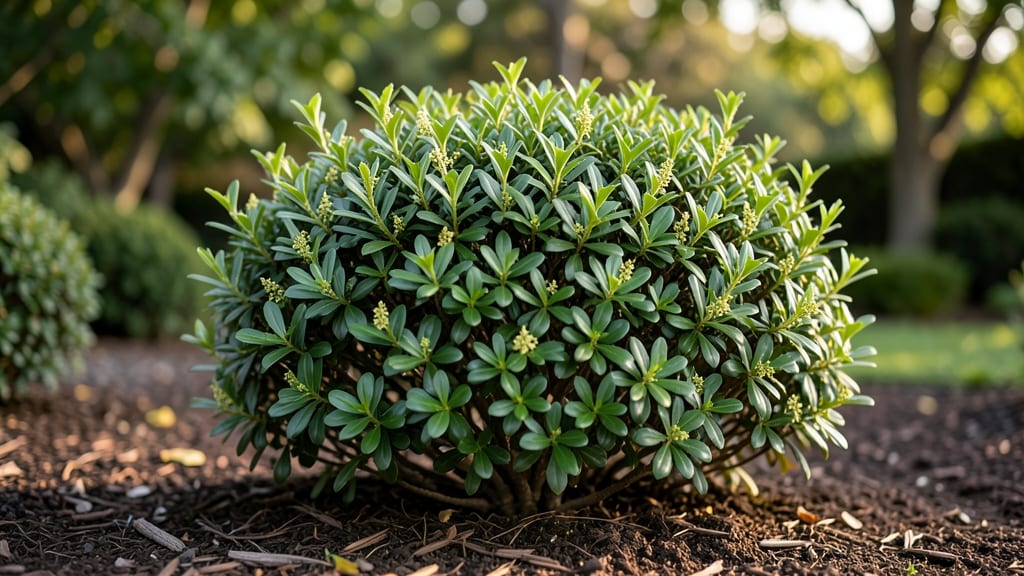
Boxwood evergreen bushes bring year-round structure and elegance to any landscape. 🌿 I've learned that their secret lies in the right planting site, soil prep, and a pruning calendar that keeps them dense and healthy through winter freezes.
These bushes thrive where others struggle, making them the perfect foundation plant for borders, hedges, or as standalone specimen plants.
The key to growing boxwoods that stay lush through all four seasons starts with well-draining soil rich in organic matter. They prefer morning sun and afternoon shade in hot climates, though they tolerate full sun in cooler regions.
Watering should be consistent but not soggy—think of it as keeping their roots in a damp sponge, not a swamp. Once established, they're surprisingly drought-tolerant, which makes them low-maintenance superstars.
What you'll end up with is a glossy, evergreen bush that maintains its shape and color through winter's harshest months. The pruning calendar I've perfected ensures they stay dense and compact, with new growth emerging bright green in spring.
You'll be able to shape them into topiary, low hedges, or natural-looking mounds—whatever fits your vision.
Whether you're lining a driveway, framing a garden bed, or creating a privacy screen, boxwoods deliver year-round interest with minimal effort. The cold-hardy varieties I recommend handle down to -30°F without batting an eye, making them perfect for northern gardens too.
Let's get those roots in the ground and keep them thriving!
📚 In This Guide
- What you need
- Instructions
- Tips and common mistakes
- Wrapping up and next steps
What you need
- ● Boxwood plants: Choose Buxus sempervirens or Buxus microphylla varieties (2–5 plants, depending on desired coverage). Opt for 1–3 gallon containers for mature size control.
- ● Well-draining soil: Mix 50% native soil with 50% compost (or use pre-mixed shrub/evergreen soil blend). Avoid heavy clay.
- ● Organic mulch: 2–3 inches of shredded bark, pine straw, or cypress mulch to retain moisture and regulate temperature.
- ● Slow-release fertilizer: 10-10-10 or 12-4-8 (apply 1–2 lbs per 100 sq ft in early spring).
- ● Pruning tools: Bypass pruners (for clean cuts)
- ● Hand pruners (for small branches)
- ● Loppers (for thicker stems, if needed)
- ● Gloves & safety glasses: Protect hands from thorns and eyes from debris.
- ● Soil amendments: Perlite or sand (if drainage is poor) or worm castings for nutrient boost.
- ● Plant supports: Stakes or cages (for young plants in windy areas).
- ● Drip irrigation system: Automates watering for consistent moisture.
- ● Fungicide (preventative): Copper-based or neem oil spray (for humid climates).
- ● Cold-hardy varieties: ‘Winter Gem’ or ‘Green Velvet’ (USDA Zones 5–9).
Step-by-step instructions for pruning boxwood evergreen bushes
Here's the method I rely on to keep boxwoods lush, dense, and healthy through every season.
✂️ Step 1: Prune for Shape in Late Winter or Early Spring
Use clean, sharp pruners to remove dead or crossing branches first—this prevents disease and improves airflow. I always start with late February or early March when the plant is still dormant but before new growth begins. You'll see the natural shape of the bush more clearly without leaves in the way.
Cut back to just above a leaf bud or lateral branch. Avoid cutting into old wood (the brown, woody stems)—this won't regrow. For a rounded shape, trim the outer edges at a slight angle, making sure to leave the center untouched. This encourages new growth outward rather than inward.
☀️ Step 2: Light Maintenance Pruning in Mid-Summer
In July or August, give your boxwoods a quick check for any branches that are growing too long or leggy. These are easy to spot—they'll be much longer than the rest of the bush and may have fewer leaves. Trim these back by about one-third to encourage bushier growth.
This is also the time to shape up any areas that look uneven. A light touch here prevents the need for heavy pruning later. I like to step back every few cuts to check the overall shape—it's easier to see what needs adjusting from a distance.
⏰ Step 3: Final Pruning in Early Fall Before Dormancy
In late September or early October, do a final light pruning to remove any new growth that might not have hardened off properly. This is also when you can tidy up any ragged edges or branches that look out of place. The goal here is to prepare the plant for winter without stressing it too much.
After pruning, give the bush a good drink of water to help it recover. Avoid heavy pruning now—you want the plant to focus on storing energy for winter rather than putting out new growth. This is the time to let the bush settle into its winter shape.
🌿 Step 4: Year-Round Care for Density and Health
Throughout the year, keep an eye out for any branches that are dying back or looking unhealthy. These can be pruned off at any time, but always use clean tools to avoid spreading disease. Mulch around the base of the plant with 2-3 inches of organic mulch to protect the roots and retain moisture.
Boxwoods thrive in partial shade, so avoid planting them in full sun without adequate water. If you notice yellowing leaves, it could be a sign of overwatering or poor drainage. Adjust your watering schedule to keep the soil consistently moist but not soggy—this is key to keeping your boxwoods dense and vibrant year-round.
Tips & tricks for perfect boxwood evergreen bush pruning
A few simple tricks will help you maintain that lush, professional look without stressing your plants.
Tool Prep: Always disinfect your pruners with rubbing alcohol between cuts—this prevents spreading disease from one branch to another. I also like to sharpen my blades every few pruning sessions to make clean cuts that heal faster. Dull blades tear the stems, leaving ragged edges that invite pests and infections.
Seasonal Timing Secret: The late February or early March window for your first pruning is critical—it gives the bush time to recover before summer heat. If you miss this, don't panic! Just wait until the plant is fully dormant again next winter. The key is to never prune when new growth is actively happening, as this stresses the plant.
Visual Cue for Step 1: When shaping in late winter, look for the natural V-shaped growth pattern where branches meet. Cutting just above these junctions encourages the bush to grow in its natural, dense form. I think of it like sculpting—you're following the plant's natural lines rather than forcing a shape.
Mulch Maintenance: That 2-3 inch layer of organic mulch around the base isn't just decoration—it's insulation. In winter, it protects roots from freezing temperatures, and in summer, it keeps soil moisture consistent. I always refresh the mulch layer after each pruning season to maintain this protection.
Pro Tips for Boxwood Evergreen Bush
- A few simple tricks will help you maintain that lush, professional look without stressing your plants.
- Tool Prep: Always disinfect your pruners with rubbing alcohol between cuts—this prevents spreading disease from one branch to another.
- Seasonal Timing Secret: The late February or early March window for your first pruning is critical—it gives the bush time to recover before summer heat.
Frequently asked questions
When is the best time to prune boxwood for thick, dense growth?
Prune boxwood twice a year for optimal density: late winter/early spring (before new growth) and mid-summer (after flowering). Avoid heavy pruning in fall—it can stress plants before winter. Light shaping in spring keeps them lush year-round!
How cold-hardy are boxwood bushes, and do they need winter protection?
Most boxwood varieties tolerate USDA Zones 5-9, but young plants or extreme winters (<10°F) may need winter mulch or burlap wraps. Evergreen types like ‘Green Velvet’ handle cold well, but avoid pruning in freezing temps—wait until spring thaw.
Can I shear boxwood into topiary shapes, and how often?
Boxwood’s dense foliage is perfect for topiary. Shear 2-3 times per year (spring, summer, fall) for sharp shapes. Use sharp pruners and clean cuts to avoid ragged edges. Pro tip: Prune outer growth first to encourage bushier fill.
What pests or diseases should I watch for in boxwood bushes?
Common issues include boxwood blight (fungus), boxwood leafminer (chewing pests), and deer browsing. Prevent blight with 3-year pruning rotations (never prune the same branches yearly). For leafminers, spray neem oil or insecticidal soap.
Are there drought-tolerant boxwood varieties for low-maintenance gardens?
Yes! Try ‘Winter Gem’ or ‘Green Velvet’—both are drought-resistant once established (after 1-2 years). Mulch well and water deeply but infrequently (1 inch/week in dry spells). Avoid overwatering to prevent root rot.
Wrapping up and next steps
Transforming your outdoor space with a boxwood evergreen bush is a rewarding journey—one that combines beauty, resilience, and year-round structure. Whether you’re a seasoned gardener or just starting, remember that patience and consistent care (like our pruning calendar!) will yield lush, vibrant results.
Ready to take the next step? Grab your shears, sketch a design, and get pruning—your future hedges will thank you! 🌿✂️
- Pro Tip: Start small with one bush to master the art before expanding.
- Next Action: Bookmark this guide and revisit it before each pruning session.