
Pruning
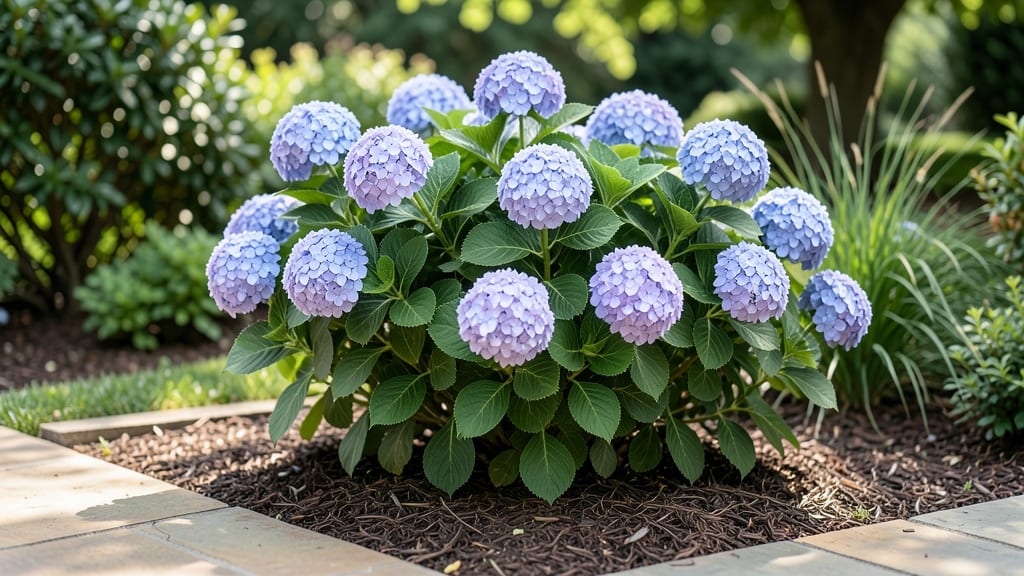
Growing a Bobo hydrangea bush means year-round color with less fuss than you’d expect. 🌸 This compact beauty thrives in partial shade and blooms on both old and new wood, so you won’t miss a beat even if you prune late.
The key is understanding its unique growth habits—something I learned after my first overzealous trim left me with bare branches. The Bobo hydrangea loves moist, well-draining soil rich in organic matter.
Think of it as the low-maintenance diva of the garden: it tolerates a range of conditions but rewards you with vibrant blooms from early summer through fall, plus occasional winter interest. Water consistently to keep the soil evenly moist, especially during hot spells, and you’ll avoid the dreaded wilted stems.
Pruning is where the magic happens—and where most gardeners stumble. Cut back one-third of the oldest stems in late winter or early spring to encourage fresh growth, then shape lightly after flowering. This keeps the bush dense and blooming prolifically. The result?
A neat, 3-foot-tall shrub that’s perfect for borders, containers, or even as a standalone star. Common pests like aphids or powdery mildew are easy to spot and manage with a simple spray of soapy water or neem oil.
With the right care, your Bobo hydrangea will be the talk of the neighborhood—no green thumb required, just attention to its simple needs.
📚 In This Guide
- What you need
- Instructions
- Tips and common mistakes
- Wrapping up and next steps
What you need
- ● Pruning shears: Bypass pruners (sharp, clean blades) for clean cuts on small stems.
- ● Loppers: 6–8-inch bypass loppers for thicker stems (up to 2 inches in diameter).
- ● Hand pruners: Anvil-style pruners (for stubborn branches, but avoid using them on live tissue).
- ● Gloves: Heavy-duty gardening gloves (to protect against thorns and sap).
- ● Disinfectant: 70% isopropyl alcohol or a 10% bleach solution (to sterilize tools between cuts).
- ○ Pruning sealant: Optional, but helpful for larger cuts (e.g., Tree Seal or beeswax-based sealant).
- ● Bucket or bag: For collecting pruned branches (line with a plastic bag for easy disposal).
- ● Measuring tape: To assess branch thickness and spacing (1–2 feet for Bobo hydrangeas).
- ● Weather check: Prune on a dry, calm day (avoid extreme heat or cold).
- ● Hydration: Water the bush 24 hours before pruning (well-hydrated plants heal faster).
- ● Safety gear: Safety glasses (if dealing with large branches) and long sleeves (for sun/sap protection).
- ○ Sketch or reference: Optional but helpful—take a photo of the bush before pruning to guide your cuts.
- ● Sharp tools only! Dull blades crush stems, inviting disease. Sharpen or replace blades annually. ⚡
- ● Sterilize between cuts: Wipe tools with disinfectant to prevent spreading fungal/bacterial infections. 🌡️
- ● Timing matters: Prune Bobo hydrangeas in late winter or early spring (before new growth starts).
Step-by-Step instructions for pruning a Bobo hydrangea bush
Here's how to keep your Bobo hydrangea compact, blooming, and thriving year after year.
✂️ Step 1: Identify Last Year's Blooms and Dormant Buds
Bobo hydrangeas bloom on old wood, meaning flowers form on stems from the previous growing season. In late winter or early spring—before new growth begins—examine each stem carefully. Look for swollen buds at the base of last year's flower clusters. These are your future blooms, and they must be preserved.
I like to run my fingers along each stem, feeling for the slight bump where the bud sits. If you cut above these buds, you'll sacrifice that season's flowers. Mark stems you plan to keep with a small flag or piece of twine to avoid accidental cuts later. This is where precision pays off—Bobo's compact growth means every cut matters.
✂️ Step 2: Remove Dead, Weak, or Crossing Branches
Start by removing any stems that are dead, diseased, or damaged—these won't produce flowers and can spread problems. Cut these back to the base of the plant using clean, sharp pruners. Next, look for branches that cross or rub against each other. These create wounds where pests can enter and reduce airflow, which encourages fungal issues.
For weak stems that haven't produced blooms, trim them back by one-third to encourage stronger growth. I always step back after this step to visualize the plant's shape. Bobo hydrangeas naturally grow in a mounded form, so aim to maintain that rounded silhouette. If a branch is growing outward at an awkward angle, you can also lightly shape it here—just avoid heavy cuts that remove too many buds.
✂️ Step 3: Thin Out Overcrowded Areas
Bobo hydrangeas can get bushy quickly, so thinning is key to airflow and sunlight penetration. Focus on the center of the plant, where branches often grow tightly together. Select the thinnest, least productive stems in these areas and cut them back to the base. This opens up the center, allowing light to reach inner buds and reducing humidity that promotes mildew.
I usually thin about 20-30% of the plant's volume in this step. You'll know you're doing it right when you can see through the center to the outer branches. Avoid the temptation to remove too much—Bobo hydrangeas rebound well, but drastic cuts can delay flowering. If you're unsure, err on the side of caution and leave more stems than you think you need.
✂️ Step 4: Lightly Shape for Year-Round Interest
Once you've removed deadwood and thinned the center, it's time for subtle shaping. Bobo hydrangeas benefit from a light, natural look rather than geometric pruning. Focus on softening the plant's outline by trimming just the tips of overly long branches. Never cut back more than 15% of the branch length—this ensures you don't remove next year's flower buds.
Pay attention to the plant's growth pattern. If branches are growing too upright, you can gently angle them outward to encourage a fuller shape. For a more formal look, you can also trim the very tips to encourage bushier growth. Step back frequently to check your progress—what looks balanced from close up might need adjustment from a few feet away. This is also the time to clean up any ragged edges with a final trim.
💧 Step 5: Post-Pruning Care for Strong Recovery
After pruning, give your Bobo hydrangea a deep watering to help it recover. The roots will need moisture to support new growth, especially if you've made significant cuts. I like to water in the early morning so the plant can absorb moisture before the heat of the day. Avoid fertilizing immediately after pruning—wait 4-6 weeks to give the plant time to establish new growth before adding nutrients.
Keep an eye on the plant in the weeks following pruning. New growth should emerge within 2-3 weeks if conditions are right. If you notice any yellowing leaves or wilting, it could be a sign of stress—check for proper watering and sunlight. Mulch around the base of the plant with 2-3 inches of organic mulch to retain moisture and regulate soil temperature. This final step ensures your Bobo hydrangea stays healthy and ready to burst into color come spring.
Tips & tricks for pruning a Bobo hydrangea bush
Precision is everything when shaping your Bobo hydrangea—these small details make all the difference between a bushy, blooming beauty and a stressed, sparse plant.
Bud Identification: In Step 1, don't rely solely on visual inspection—run your thumb along each stem to feel for those swollen buds. They'll have a slightly firmer texture than the surrounding wood. I've learned the hard way that even a tiny miscut above a bud means sacrificing that season's flowers. If you're unsure, mark stems with a small piece of twine before making any cuts—it's a simple trick that prevents costly mistakes.
Pruner Maintenance: Before you begin Step 2, sharpen your pruners with a fine-grit file and wipe them clean with rubbing alcohol. Dull blades crush stems instead of cutting cleanly, which creates larger wounds that invite disease. I keep a small sharpening kit in my gardening toolbox specifically for this purpose—it's an investment that pays off in healthier plants.
Thinning Strategy: When thinning in Step 3, focus on creating an "inverted cone" shape rather than just removing random branches. Start by removing the thinnest stems from the center outward, then work your way to the outer edges. This approach mimics the plant's natural growth pattern and ensures sunlight reaches all the buds. Remember, you're aiming for that 20-30% reduction—less is more with Bobo hydrangeas.
Recovery Timeline: After completing Step 5, resist the urge to fertilize immediately. The 4-6 week waiting period allows the plant to redirect its energy toward root and stem development rather than foliage production. I've seen too many gardeners rush this step and end up with lush leaves but no flowers. During this recovery window, monitor for new growth—you should see fresh shoots emerging within 2-3 weeks if conditions are right.
Pro Tips for Bobo Hydrangea Bush
- Precision is everything when shaping your Bobo hydrangea—these small details make all the difference between a bushy, blooming beauty and a stressed, sparse plant.
- Bud Identification: In Step 1, don't rely solely on visual inspection—run your thumb along each stem to feel for those swollen buds.
- Pruner Maintenance: Before you begin Step 2, sharpen your pruners with a fine-grit file and wipe them clean with rubbing alcohol.
Frequently asked questions
Got questions about keeping your Bobo hydrangea bush thriving with vibrant, year-round color? Here are some of the most common queries—and their answers—to help you prune like a pro!
How do I prune a Bobo hydrangea for continuous blooms?
Prune your Bobo hydrangea in late winter or early spring (before new growth starts). Cut back 1/3 of the oldest stems to the ground and shape the remaining branches. Avoid pruning in fall—this encourages weak growth before winter. For year-round color, deadhead faded blooms in summer to promote new flowers!
When is the best time to plant a Bobo hydrangea bush?
The ideal planting window is early spring or fall when temperatures are mild. Avoid extreme heat or cold—roots need time to establish. Dig a hole twice as wide as the root ball but no deeper. Amend the soil with compost for better drainage and nutrients, and water thoroughly after planting.
Why aren’t my Bobo hydrangea blooms as vibrant as they should be?
Dull blooms often signal over-pruning, poor soil, or inconsistent watering. Check these fixes:
- Soil pH: Bobo hydrangeas thrive in acidic soil (pH 5.5–6.2). Test your soil and amend with sulfur or peat moss if needed.
- Watering: Keep soil consistently moist (not soggy). Drought stress causes smaller, less colorful blooms.
- Sunlight: Ensure 4–6 hours of morning sun and afternoon shade to prevent leaf scorch.
Can I grow a Bobo hydrangea in a container? Yes—but with adjustments!
Choose a large container (at least 15–20 gallons) with drainage holes. Use a well-draining potting mix (like a blend of peat moss, perlite, and compost). Repot every 2–3 years and fertilize monthly in spring/summer with a balanced, acidic fertilizer. Move containers indoors or to a sheltered spot in winter if temps drop below 10°F.
How do I revive a leggy or overgrown Bobo hydrangea?
If your bush looks tall and sparse, it’s time for a rejuvenation prune:
- Cut back 1/2 to 2/3 of the oldest stems to the ground in late winter.
- Shape the remaining branches to encourage new, bushier growth.
- Fertilize with a high-phosphorus formula in spring to support blooming.
With patience, your Bobo will bounce back with lush, colorful blooms within a season!
Wrapping up and next steps
The Bobo hydrangea bush is your ticket to year-round beauty with just a little pruning know-how! Whether you’re trimming for shape, health, or those stunning blooms, mastering the art of precision cuts ensures your bush stays vibrant and thriving.
With the right tools, timing, and techniques, you’ll enjoy seasonal color that turns heads—no green thumb required!
Ready to elevate your garden? Start small: pick one season to practice pruning, then build your confidence. Before you know it, your Bobo hydrangea will be the star of your outdoor space! 🌸✂️