
Pruning
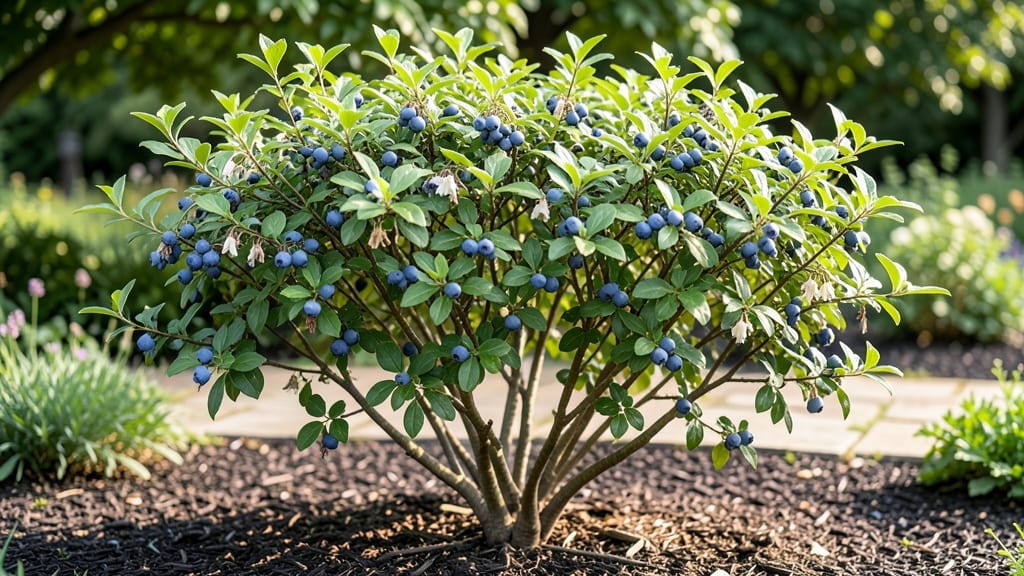
Your blueberry bush 🫐 needs at least 6 hours of sunlight daily to produce sweet, plump berries—far more than most gardeners realize.
Picture this: you’ve planted your blueberry bush with high hopes, only to watch it struggle with sparse fruit or yellowing leaves. The culprit? Too little sunlight—or the wrong kind.
These bushes aren’t just picky; they’re sun-hungry, and getting their light needs right is the difference between a handful of berries and a bountiful harvest.
But here’s the catch: not all sunlight is equal. A south-facing spot in Zone 6a works wonders, but urban gardens, containers, or shaded yards require smart adjustments.
Below, I’ll break down how to position your bush for maximum fruit yield, troubleshoot common sunlight mistakes, and even supplement light if your yard falls short.
By the end, you’ll know exactly where to plant your blueberry bush, how to spot sunlight stress, and the 3 simple fixes that can double your harvest next season.

Blueberry bush sunlight needs: the science behind 6+ hours daily
Blueberries are sun-worshippers, and their fruit production depends entirely on getting enough direct sunlight. Without proper light exposure, your bushes will struggle with photosynthesis, weak growth, and poor berry development.
The 6+ hours of sunlight rule isn't just a gardening myth—it's rooted in the plant's biological needs for energy and nutrient production.
Every blueberry bush variety has slight variations in sunlight tolerance, but all share one critical requirement: full sun exposure for optimal flowering and fruiting. The chlorophyll in blueberry leaves converts sunlight into energy, fueling everything from root growth to berry ripening.
When light is insufficient, the plant diverts energy to leaf production instead of fruit development, leaving you with sparse harvests.
Understanding the science behind sunlight helps explain why some varieties thrive in hot climates while others prefer cooler regions. For example, Southern Highbush varieties can handle partial shade in the afternoon to avoid heat stress, while Northern Highbush types need morning sun to prevent frost damage.
The Rabbiteye variety, native to the Southeast, actually benefits from afternoon shade to protect its delicate fruit.
| Variety | Ideal Sunlight | Minimum Sunlight | Shade Tolerance | Best Climate |
|---|---|---|---|---|
| Northern Highbush | 6-8 hours | 6+ hours | Low (morning sun preferred) | Cool to temperate |
| Southern Highbush | 6-7 hours | 5+ hours | Moderate (afternoon shade helps) | Warm to hot |
| Rabbiteye | 7-8 hours | 6+ hours | High (afternoon shade ideal) | Hot and humid |
| Lowbush (Wild) | 5-6 hours | 4+ hours | Very high (natural shade tolerance) | Cool forests |
The photosynthesis process in blueberries is highly efficient under full sun, but it requires direct light for optimal performance. When bushes receive less than 5 hours of sun, they enter a survival mode, prioritizing leaf growth over fruit production.
This is why you might see lush foliage but few berries—the plant is conserving energy for its own structure rather than reproductive growth.
Sunlight also plays a crucial role in berry color development and flavor intensity. The anthocyanins responsible for blueberries' deep color and antioxidant properties require UV exposure to activate.
Without sufficient sunlight, berries may remain pale, tasteless, and low in nutrients. This is particularly noticeable in Southern Highbush varieties, where afternoon shade can reduce berry quality if overdone.
Another critical factor is disease resistance. Blueberries with adequate sunlight develop thicker cuticles and stronger cell walls, making them more resistant to fungal infections like powdery mildew. In shaded conditions, the plant's defenses weaken, leaving it vulnerable to leaf spot diseases and root rot.
This is why gardeners in humid climates often see yellowing leaves or mushy berries when bushes don't get enough light.
If you're growing blueberries in containers or urban gardens, sunlight becomes even more critical. Container-grown bushes have limited root zones, so they rely entirely on above-ground sunlight for energy.
Without proper light, they'll become stunted and produce tiny, underdeveloped berries. In these cases, consider using reflective surfaces or grow lights to supplement natural sunlight during shorter days.
For first-year bushes, the sunlight requirements are slightly different. Young plants focus on root and stem development, so they can tolerate 5-6 hours of sun while establishing. However, once they enter their fruiting stage (typically year 2-3), they demand 6+ hours daily to produce abundant crops.
Skipping this light requirement in early years can set your bush back for years of poor production.
One common mistake is assuming that <
How to position your blueberry bushes for optimal sun exposure
Positioning your blueberry bushes correctly is the secret to bountiful harvests. These shrubs thrive with 6 to 8 hours of direct sunlight daily, but their exact needs vary based on your climate and garden setup.
Whether you're working with a sun-drenched backyard or a shaded urban patio, understanding microclimates and seasonal adjustments will make all the difference.
Start by scanning your yard for the sunniest spots. South-facing areas typically receive the most sunlight, but east or west exposures can work too—just avoid deep shade under trees or tall structures.
In high-altitude gardens, sunlight is more intense, so afternoon shade may be necessary to prevent leaf scorch. Meanwhile, urban gardens often require creative solutions like reflective surfaces or container mobility.
-
1Choose south-facing locations for 6+ hours of sunlight. East or west exposures work but may need afternoon shade in hot climates.
-
2Test sunlight patterns for 2 weeks using a sunlight tracker or app. Adjust positions based on real data, not assumptions.
-
3Use reflective surfaces (white fences, mirrors) to bounce sunlight into shaded areas, especially in urban gardens.
-
4Rotate container plants every 2-3 weeks to ensure even sunlight exposure on all sides.
-
5Monitor for yellowing leaves or sparse fruit, which signal insufficient sunlight. Move plants gradually to avoid shock.
If your blueberry bushes show signs of stress like yellowing leaves or small, sparse berries, it’s often a sunlight mismatch. Yellowing on lower leaves suggests too much shade, while crispy edges indicate excessive afternoon sun.
In containers, ensure pots are placed where they’ll receive consistent sunlight—rotate them weekly for balanced growth. For high-altitude gardens, provide afternoon shade with a lightweight shade cloth (30-50% coverage) during peak summer hours.
For urban gardeners with limited space, consider dwarf varieties like 'Top Hat' or 'Peach Sorbet,' which thrive in large containers (15+ gallons). Place pots on elevated stands or balconies with southern exposure, and use reflective mulch (like white gravel) to maximize light penetration.
If natural sunlight is truly insufficient, supplement with a grow light (12-14 hours/day) during the growing season.
Remember, seasonal adjustments are key. In spring, when days are shorter, prioritize morning sun to avoid frost damage. By late summer, when sunlight is most intense, provide afternoon shade to prevent heat stress. With the right positioning, your blueberry bushes will reward you with juicy, abundant berries year after year.
Pro tip: Use a sunlight calculator or app to track your garden’s light patterns. This data will help you fine-tune positions for optimal growth and fruit production—no guesswork required! 🌱☀️