
Diseases
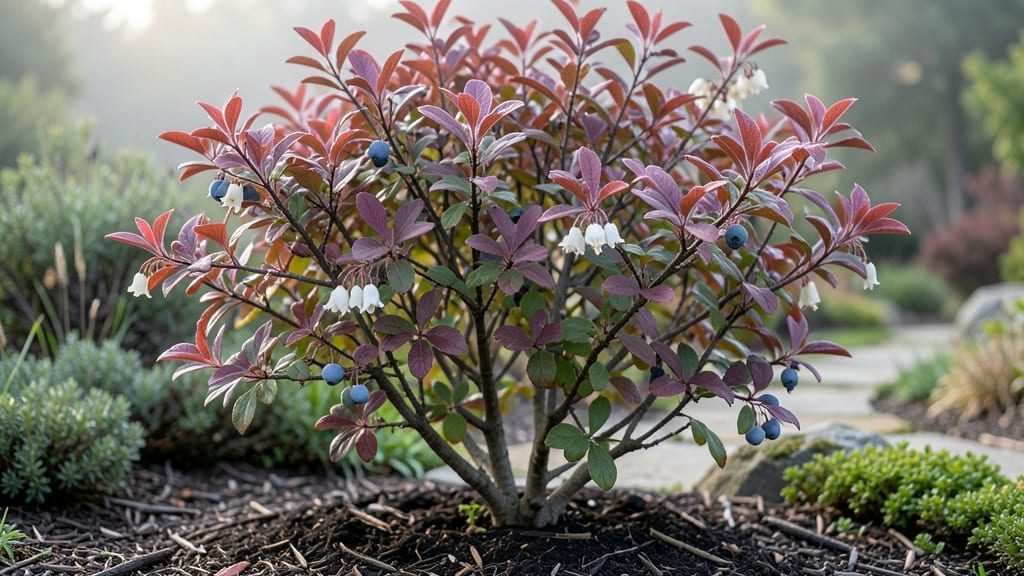
Your blueberry bush’s reddish leaves could mean fungal blight—or something simpler. 🌿 I’ve seen this happen after a cold snap or when soil pH gets out of whack, and knowing the difference saves your harvest.
The key is checking for other symptoms like spots, wilting, or stunted growth before jumping to treatments.
Start by testing your soil’s pH (blueberries need 4.5–5.5) and inspecting leaves for signs of disease—crinkling, powdery residue, or tiny holes. Nutrient deficiencies (like magnesium) can cause reddening too, but they usually appear on older leaves first.
If you spot dark, spreading patches, that’s likely fungal blight, which spreads fast in damp weather.
Fixing it depends on the cause: adjust pH with sulfur, prune infected branches 6 inches below the damage, and thin foliage for airflow. For fungal blight, a copper fungicide or baking soda spray (1 tbsp per gallon of water) works well.
Prevent future issues by mulching, watering at the base, and avoiding overhead sprinklers.
Once you’ve treated the problem, monitor your bush closely—healthy blueberries should have glossy, deep-green leaves by summer. The earlier you act, the better your chances of a full recovery and a bountiful harvest next season.
Root Causes Behind Leaf Discoloration
When your blueberry bush starts showing reddish or purple-tinged leaves, it’s often a cry for help from the plant. Understanding the underlying causes—whether environmental, nutritional, or disease-related—is the first step toward restoring your bush’s health. Let’s break down the most common culprits and why they trigger this distress signal.
Blueberries are not tropical plants—they thrive in cool climates but can suffer when temperatures swing too far outside their comfort zone. Reddish leaves often appear when:
- Cold damage: Early or late frosts (below 20°F/-7°C) can cause cell rupture, leading to anthocyanin pigment buildup (the red/purple hue). This is your bush’s way of protecting itself from oxidative stress.
- Heat stress: While blueberries tolerate moderate heat, prolonged exposure above 90°F (32°C) can disrupt photosynthesis, causing leaves to turn red as they struggle to regulate water and nutrients.
- Rapid temperature shifts: Daytime heat followed by chilly nights confuses the plant, mimicking early autumn and triggering senescence (premature aging) in leaves.
Actionable fix: Monitor your local microclimate and use mulch (straw or pine needles) to insulate roots. For heat stress, provide afternoon shade with shade cloth (30–50% coverage).
Blueberries are water-loving but hate soggy feet. Reddish leaves often signal hydraulic stress, where the plant’s water transport system (xylem) gets disrupted. Here’s how:
- Underwatering: Drought stress forces the bush to concentrate anthocyanins in leaves to reduce water loss (a survival tactic). Leaves may also curl or feel papery.
- Overwatering: Poor drainage leads to root asphyxiation and fungal infections (like Phytophthora), which block nutrient uptake. Reddish leaves here often pair with yellowing (chlorosis).
- Salt buildup: If you’re using tap water with high sodium or fertilizing heavily, excess salts in the soil can burn root tips, causing leaves to turn red as a stress response.
Actionable fix:
- ✅ Check soil moisture: Stick your finger 2–3 inches deep—if it’s dry, water deeply (1–1.5 inches per week).
- ✅ Improve drainage: Amend heavy clay soil with compost or sand and ensure raised beds or containers have drainage holes.
- ✅ Flush the soil: If you suspect salt buildup, water heavily for 30 minutes to leach excess salts.
Reddish leaves are a classic symptom of fungal infections, particularly in humid conditions. The most common culprits in blueberries are:
| Disease | How It Causes Red Leaves | Other Clues |
|---|---|---|
| Mummy Berry Fungus (Monilinia) | Fungal spores infect flowers, turning them into mummified berries. The fungus then spreads to leaves, causing reddish-brown necrotic spots with purple margins. | ✔️ Blackened, shriveled berries ✔️ Premature leaf drop |
| Anthracnose (Colletotrichum) | Fungal spores clog stomata (leaf pores), blocking gas exchange. Leaves develop reddish-purple lesions that expand and turn gray. | ✔️ Wilting despite moist soil ✔️ Lesions with pinkish spore masses |
| Leaf Spot (Septoria) | Fungal hyphae disrupt chlorophyll production, causing interveinal reddening between yellow spots. | ✔️ Tiny black dots (fungal fruiting bodies) ✔️ Spots with reddish halos |
Actionable fix:
- 🔥 Prune infected leaves immediately and sterilize pruners with 70% alcohol.
- 🌡️ Improve airflow: Space bushes 4–6 feet apart and thin dense canopies.
- 💡 Fungicide preventative: Apply copper fungicide or neem oil at first sign of disease (repeat every 7–10 days).
Blueberries are acid-loving plants (pH 4.5–5.5), and nutrient deficiencies or toxicities can trigger reddish hues. Here’s what’s likely off:
- Phosphorus deficiency: Leaves may develop dark red or purple undersides as the plant struggles to produce energy (ATP). Common in young plants or poor soil.
- Magnesium deficiency: Reddish interveinal chlorosis (red between veins) is classic, often starting on older leaves.
- Excess nitrogen: While nitrogen fuels growth, too much (especially in alkaline soil) can burn roots, causing leaves to turn red as a stress response.
- Alkaline soil (high pH): Locks out iron and manganese, leading to reddish-yellow leaves (similar to phosphorus deficiency but with yellow veins).
Actionable fix:
- 📊 Test your soil: Use a home kit or send a sample to a lab.
- 🍎 Amend soil:
- For low pH: Add sulfur or peat moss.
- For nutrient deficiencies: Use a balanced acid-loving fertilizer (e.g., 10-10-10 or cottonseed meal for phosphorus).
- ✨ Chelated nutrients: Apply iron chelate or Eps
Fixing Reddish Leaves on Blueberry Bushes
If your blueberry bush is showing signs of reddish or discolored leaves, acting quickly can save your plants and future harvests. Below are practical, step-by-step solutions tailored to the most common causes—fungal infections, nutrient deficiencies, environmental stress, and pests. Each fix includes prevention tips to keep your bushes thriving long-term.
Reddish, crinkled, or spotted leaves are often a sign of fungal blight, like anthracnose or botrytis. These diseases thrive in wet, humid conditions and can spread rapidly if untreated.
🔥 Step 1: Remove Infected Leaves & Debris
- 👨🍳 Prune affected foliage with clean, sharp shears, cutting at least ½ inch below the discolored area.
- 🗑️ Bag and dispose of infected leaves off-site (do not compost them).
- ⏰ Do this in the morning when humidity is lower to reduce spore spread.
🍳 Step 2: Apply Fungicide (Organic or Chemical)
- 🌱 Organic options:
- Copper fungicide spray (follow label rates; reapply every 7–10 days).
- Neem oil solution (1 tbsp neem oil + 1 tsp mild soap per quart of water; spray leaves thoroughly).
- Baking soda spray (1 tsp baking soda + 1 quart water + a few drops of dish soap; test on a small leaf first).
- 💊 Chemical options (if severe):
- Chlorothalonil or myclobutanil (follow package instructions for blueberries).
🌡️ Step 3: Improve Air Circulation & Reduce Moisture
- 🌿 Thin out dense branches to allow sunlight and airflow.
- 💦 Water at the base (avoid overhead sprinkling, especially in the evening).
- ☀️ Space bushes 4–6 feet apart to prevent crowding.
💡 Prevention Tips for Fungal Issues
✅ Mulch properly with pine straw or wood chips (keep 2–3 inches away from the stem). ✅ Plant in well-draining soil (blueberries hate soggy roots). ✅ Avoid wetting leaves during watering—use drip irrigation. ✅ Rotate fungicides if using chemical treatments to prevent resistance.
Reddish or purplish leaves can signal iron chlorosis (common in alkaline soils) or magnesium deficiency.
🔪 Step 1: Test Your Soil
- 📊 Get a soil test kit (available at garden centers) to check pH and nutrient levels.
- Blueberries thrive in acidic soil (pH 4.5–5.5)—if your soil is higher, amend it.
🥗 Step 2: Amend Soil & Fertilize
- 🌱 For iron deficiency:
- Apply iron chelate (follow label instructions) or sulfur to lower pH.
- 🍎 Use composted pine needles (natural acidifier).
- 💪 For magnesium deficiency:
- Sprinkle Epsom salt (magnesium sulfate) around the base (1 tbsp per bush, water in).
- 🥗 Use a balanced organic fertilizer (like 10-10-10) in early spring.
🎯 Prevention Tips for Nutrient Issues
✅ Mulch with acidic materials (pine bark, peat moss). ✅ Fertilize in early spring (before new growth starts). ✅ Avoid over-fertilizing with nitrogen (can worsen deficiencies).
Extreme temperatures or improper watering can cause leaves to turn reddish or wilted.
💦 Step 1: Adjust Watering Practices
- 🌧️ Water deeply 1–2 times per week (1–1.5 inches per week).
- 🚫 Avoid letting soil dry out completely—blueberries prefer consistent moisture.
- 🌿 Use mulch (2–3 inches) to retain moisture and regulate soil temperature.
🌡️ Step 2: Protect from Heat & Cold
- ☀️ In hot climates: Provide afternoon shade (use shade cloth if needed).
- ❄️ In cold climates: Mulch heavily in winter and cover young bushes with burlap if frost is expected.
🌱 Prevention Tips for Stress-Related Issues
✅ Plant in a location with partial shade (especially in hot zones). ✅ Monitor soil moisture with a trowel—stick it in the soil to check depth. ✅ Group bushes together to create a microclimate that retains humidity.
Tiny pests like spider mites or aphids can cause leaves to turn reddish, yellow, or stippled.
🔍 Step 1: Inspect Leaves Closely
- 🕷️ Look for:
- Spider mites: Tiny webs on undersides of leaves.
- Aphids: Sticky residue (honeydew) and small green/black bugs clustered on new growth.
💦 Step 2: Treat with Natural or Chemical Solutions
- 🌿 Organic options:
- 🍋 Spray with soapy water (1 tsp mild soap + 1 quart water; reapply every 3–5 days).
- 🌼 Introduce beneficial insects (ladybugs or lacewings).
- 🌿 Neem oil spray (also deters eggs).
- 💊 Chemical options (if severe):
- Pyrethrin-based insecticide (follow label for edible plants).
🎯 Prevention Tips for Pests
✅ Encourage natural predators (plant marigolds or nasturtiums nearby). ✅ Inspect bushes weekly during growing season. ✅ Hose down leaves occasionally to wash off pests.
| Issue | Quick Fix | Long-Term Prevention |
|---|---|---|
| Fungal disease | Prune + fungicide spray | Improve airflow, mulch, avoid wet leaves |
| Nutrient deficiency | Soil test + iron/magnesium amendment | Acidify soil, fertilize in spring |
| Environmental stress | Adjust watering + mulch | Plant in suitable microclimate |
| Pests | Soapy water spray + beneficial insects | Regular inspections, companion planting |
🌟 Pro Tip: If reddish leaves persist after 2–3 weeks of treatment, re-evaluate the cause—sometimes multiple issues (like fungal disease + drought) overlap. Keep a plant journal to track symptoms and solutions for future reference!
Frequently asked questions
Why do my blueberry leaves turn red only on the undersides?
This is often a sign of phosphorus deficiency or magnesium deficiency. Phosphorus deficiency causes dark red or purple undersides as the plant struggles to produce energy, while magnesium deficiency shows as reddish interveinal areas. Test your soil and apply cottonseed meal for phosphorus or Epsom salt for magnesium.
Can reddish leaves spread to other bushes in my garden?
If the redness is caused by fungal diseases (like anthracnose or mummy berry), yes—spores can spread via wind, water, or tools. Isolate infected bushes, sterilize pruners with 70% alcohol, and apply copper fungicide to prevent cross-contamination. Healthy bushes nearby may also need preventive sprays.
Will pruning reddish leaves help my blueberry bush recover?
Yes, but only if the cause is fungal disease or severe pest damage. Remove infected leaves 6 inches below the discoloration to prevent spread. For nutrient deficiencies or environmental stress, pruning alone won’t fix the issue—you’ll need to address soil pH, watering, or mulching first.
Are reddish leaves always a bad sign?
Not always! In fall, blueberries naturally produce anthocyanins (red pigments) as leaves prepare to drop. However, if reddish leaves appear in spring or summer, it’s usually a stress signal—check for drought, nutrient deficiencies, or disease. Healthy blueberry leaves should be deep green year-round (except in autumn).