
Pruning
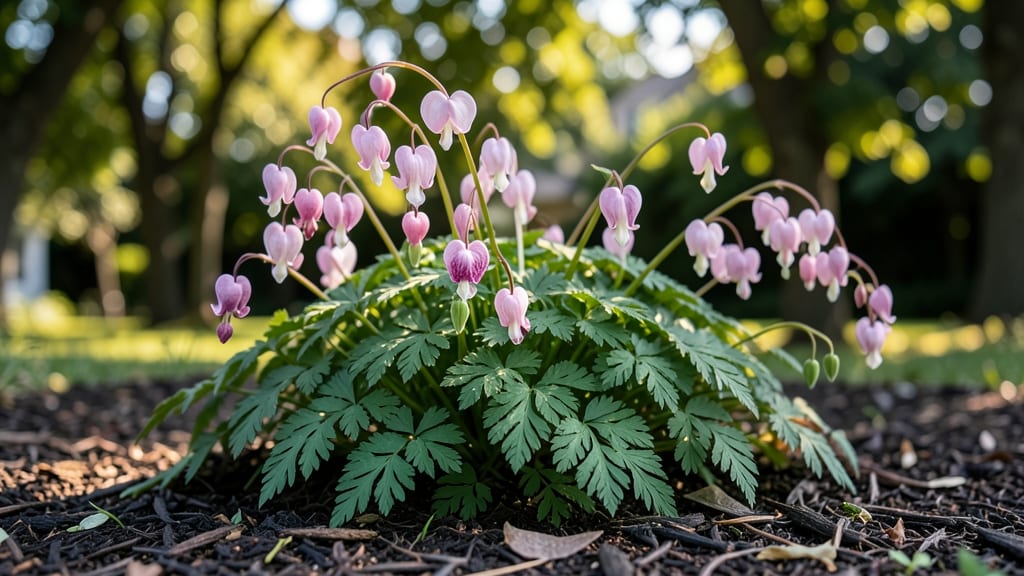
Your bleeding heart bush care could be the star of your garden—if you master its three-season trimming rhythm. 🌿 I’ve watched mine transform from a scraggly shrub to a lush, fragrant powerhouse just by following this simple schedule, and the best part?
You’ll get blooms in spring, summer, and even a touch of winter interest if you time it right.
This bush thrives in partial shade, where it gets morning sun but afternoon relief from harsh rays. Water it deeply once a week unless you’re in a drought, and always use well-draining soil—soggy roots are its kryptonite.
The real magic happens with pruning: spring, summer, and fall cuts keep it compact, encourage more flowers, and prevent that leggy look gardeners dread.
By summer’s end, you’ll be rewarded with clusters of white flowers that smell like grape soda, followed by pink berries that add winter color. The key? Prune right after blooming to shape it, then do a light cleanup in early spring before new growth starts.
Even my black thumb can’t mess this up once I got the timing down.
Works in containers or planted in the ground, and it’s tough enough for urban gardens where space is tight. Here’s how to keep yours thriving through every season—no green thumb required.
📚 In This Guide
- What you need
- Instructions
- Tips and common mistakes
- Wrapping up and next steps
What you need
- ● Pruning shears: Bypass pruners (sharp, clean, and sterilized with rubbing alcohol) to avoid crushing stems.
- ● Hand pruners: For smaller branches and detailed trimming (1 pair).
- ● Gloves: Heavy-duty gardening gloves (2 pairs) to protect from thorns and sap.
- ● Disposable pruning bags: 1–2 large bags (10–15 gallons) to collect trimmings and reduce mess.
- ● Hose or watering can: With a gentle spray nozzle for post-pruning hydration.
- ● Fertilizer: Balanced, slow-release granular fertilizer (10-10-10 ratio) or liquid bloom booster (like 20-20-20).
- ● Mulch: Organic mulch (e.g., shredded bark or pine straw) to retain moisture and suppress weeds (2–3 inches, enough to cover the root zone).
- ○ Staking material (optional): 3–4 bamboo stakes or soft ties if your bush is top-heavy or leggy.
- ● Pruning sealant: For large cuts (1 small bottle) to prevent disease entry.
- ● Plant food with micronutrients: Like fish emulsion or seaweed extract for extra vigor.
- ● Garden twine: For securing stakes or training young branches.
- ● Spray bottle: With water + neem oil (1 tsp per quart) to deter pests after trimming.
- ● Camera or phone: To document your bush’s progress—because before-and-after photos are everything! 📸
Step-by-Step guide to maintaining your bleeding heart bush
Here's how I keep my bleeding heart bushes thriving through all seasons with minimal fuss.
🌿 Step 1: Spring Pruning for New Growth
Start by removing any dead or damaged branches first—they’ll sap energy from your plant. I always do this in early spring, right after the last frost when new growth begins. Cut just above a leaf node or outward-facing bud to encourage healthy regrowth. This is also when you’ll see those signature heart-shaped leaves emerge, and you want to give them room to shine.
For shaping, I never cut more than 1/3 of the plant’s total growth in one season. Use clean, sharp pruners to make 45-degree cuts just above a bud. The goal is to open up the center for airflow and sunlight, which prevents fungal issues. You’ll know you’ve done it right when you see fresh, vibrant foliage within 2-3 weeks.
☀️ Step 2: Summer Maintenance for Full Bloom
During summer, focus on deadheading spent flowers to encourage more blooms. Pinch off faded blooms at the base where they meet the stem—this redirects energy to new growth instead of seed production. I do this every 2-3 weeks throughout the blooming season, usually from late spring to early summer.
Watch for leggy growth or branches growing inward. These are your cues to trim back. Cut just above a leaf node to maintain the bush’s natural shape. Avoid heavy pruning now—you don’t want to stress the plant when it’s already putting energy into blooming. A light touch keeps it lush without sacrificing flowers.
✂️ Step 3: Fall Cleanup for Winter Readiness
As temperatures drop, remove all dead or yellowing leaves and stems. This prevents pests and diseases from overwintering in your bush. I start this cleanup in late fall, after the first hard frost, when growth naturally slows. Cut back any branches that look weak or diseased, and dispose of them in the trash—not the compost—to avoid spreading problems.
Shape the bush lightly to remove any crossing or rubbing branches. These can create wounds where pests or infections might take hold. A final trim now helps the plant enter dormancy in a strong, compact form. You’ll see the difference next spring when new growth emerges cleaner and more vigorous.
⏰ Step 4: Winter Protection for Next Year’s Growth
In colder climates, wrap the base of your bleeding heart bush with 2-3 inches of mulch to insulate roots. I use shredded bark or straw, keeping it 3-4 inches away from the trunk to prevent rot. This protects roots from freezing and thawing cycles, which can damage the plant.
If you’re in a region with heavy snow, gently brush snow off the branches to prevent breakage. A lightweight burlap wrap can also protect against windburn. By early spring, you’ll see fresh growth pushing through the mulch—your reward for winter prep. This is when you’ll know your efforts paid off.
Tips & tricks for perfect bleeding heart bush care
Here's what I've learned after years of keeping these stunning plants looking their best—simple tricks that make all the difference.
Tool Prep Matters: Always sterilize your pruners with rubbing alcohol before each cutting session, especially during spring pruning. I keep a small bottle in my gardening caddy—this prevents spreading bacterial infections between cuts. For the 45-degree cuts in Step 1, I use a small mirror to check my angle if I'm unsure. You want that clean, precise cut just above the bud so new growth emerges strong.
Seasonal Timing Secret: The 2-3 weeks after spring pruning is when you'll see the most dramatic transformation. That's when those heart-shaped leaves unfurl, and the plant really starts to show its personality. I mark my calendar for this window—if I miss it, I know I've waited too long. For summer deadheading, I set a recurring reminder every 2-3 weeks so I don't let spent blooms linger and drain the plant's energy.
Winter Protection Hack: When applying that 2-3 inches of mulch in Step 4, I always pull back any existing mulch from the previous year first. Old mulch can compact and become waterlogged, which actually harms roots. I also make sure to create a slight mound around the base—this helps channel rainwater away from the trunk and prevents rot. A little extra effort now means less stress on the plant when spring comes.
Pro Tips for Bleeding Heart Bush Care
- Here's what I've learned after years of keeping these stunning plants looking their best—simple tricks that make all the difference.
- Tool Prep Matters: Always sterilize your pruners with rubbing alcohol before each cutting session, especially during spring pruning.
- Seasonal Timing Secret: The 2-3 weeks after spring pruning is when you'll see the most dramatic transformation.
Frequently asked questions
Got questions about keeping your bleeding heart bush thriving?
Here are answers to the most common ones—from pruning puzzles to seasonal surprises!
When is the best time to prune my bleeding heart bush?
The ideal time is late winter or early spring (before new growth starts) or right after flowering in late spring. Avoid heavy pruning in fall—it can leave stems vulnerable to winter damage. For year-round shape, trim lightly after each season’s bloom cycle.
Can I prune my bleeding heart bush too much?
Yes! Over-pruning—especially cutting into old wood—can reduce next year’s flowers. Stick to 1/3 of the plant max per season. If you accidentally prune too hard, don’t panic: bleeding heart bushes are resilient and will bounce back with patience!
Why aren’t my bleeding heart bushes flowering?
Lack of flowers often means over-pruning, poor sunlight (they love partial shade), or nutrient deficiencies. Feed with a balanced fertilizer in early spring, ensure 4–6 hours of dappled light, and avoid heavy summer pruning. Deadheading spent blooms can encourage a second flush!
How do I protect my bleeding heart bush in winter?
Mulch the base with 2–3 inches of organic mulch (like shredded bark) to insulate roots. In Zone 5 or colder, wrap young plants with burlap or use frost cloth. Avoid pruning in late fall—wait until late winter to prevent cold stress on fresh cuts.
What’s a good alternative if my bleeding heart bush struggles in my climate?
Try these low-maintenance, similarly stunning options:
- Japanese anemone (Anemone × hybrida): Thrives in shade, blooms late summer.
- Astilbe: Feathery plumes, loves moisture, and handles partial shade.
- Coral bells (Heuchera): Gorgeous foliage, drought-tolerant once established.
Wrapping up and next steps
Caring for your bleeding heart bush is a rewarding journey that brings vibrant blooms and lush foliage to your garden year-round! 🌸 With the right seasonal trims—spring, summer, and fall—you’ll keep it healthy, encourage stunning growth, and enjoy its beauty for seasons to come.
Now that you’re armed with the perfect tools, techniques, and tips, it’s time to roll up your sleeves and get pruning.
Ready to transform your garden? Start with a quick assessment of your bush—snip those dead branches, shape it just right, and watch it thrive! Happy gardening! ✂️🌿