
Pests and Diseases
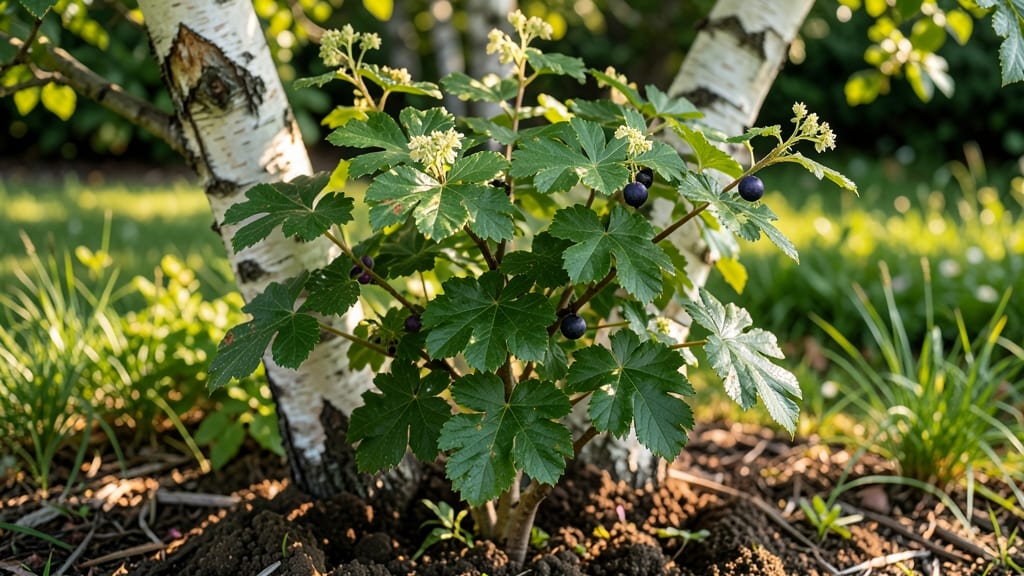
Blackcurrant bush leaves aren't just for jams—they're nature's pest repellent. 🌿 I learned this after battling aphids and mites in my garden, and crushing fresh leaves into a spray saved my berries without harsh chemicals.
Simply blend leaves with water, strain, and spray on affected plants. The strong scent confuses pests while feeding the soil with nutrients. Works best in late spring when new growth appears, and you'll see fewer pests within days.
📚 In This Guide
- What you need
- Instructions
- Tips and common mistakes
- Wrapping up and next steps
What you need
- ● Fresh or dried blackcurrant leaves: 1–2 cups (about 30–60g) per batch. Harvest from organic, pesticide-free bushes for best results.
- ● Water: 1 gallon (3.8 liters) for sprays or infusions. Use rainwater or distilled if possible.
- ● Containers: A large pot or bucket (5+ gallon capacity) for steeping.
- ● A spray bottle (16–32 oz) for direct application.
- ○ Optional additives: Garlic or chili powder (1 tsp) to boost repellent strength.
- ● Neem oil (1 tbsp) for fungal/pest combo defense.
- ● Castile soap (1 tsp) as a surfactant for better leaf adhesion.
- ● Garden gloves (nitrile or rubber) to protect your hands.
- ● Pruners or shears for harvesting leaves (sterilize with rubbing alcohol).
- ● Fine mesh strainer or cheesecloth to filter leaf debris.
- ○ Spray nozzle attachment (optional, for even coverage).
- ● Timing: Harvest leaves in the morning when essential oils are most potent.
- ● Storage: Dried leaves last up to 6 months in a paper bag (avoid plastic to prevent mold).
- ● Safety: Test sprays on a small plant area first—some varieties may react!
How to use blackcurrant bush leaves as a natural pest repellent
Here's my go-to method for harnessing blackcurrant leaves to keep pests away—no chemicals, just plant power.
🌿 Step 1: Harvest the Leaves at Peak Effectiveness
Collect fresh blackcurrant leaves in late spring or early summer when the plant is actively growing. The leaves should be vibrant green and free of spots or damage. I like to pick them on a dry morning after the dew has evaporated—this ensures they're clean and ready to use immediately.
Harvest only what you need for your current batch. Too many leaves left on the plant can weaken it, and blackcurrants are already vulnerable to certain diseases. A handful of leaves (about 1 cup) is plenty for treating a small garden bed or a few potted plants.
💧 Step 2: Create the Pest-Repelling Infusion
Fill a quart-sized jar about halfway with the harvested blackcurrant leaves. Add enough hot (not boiling) water to cover the leaves completely—about 2 cups total. The heat helps release the natural compounds that repel pests without harming your plants.
Let the mixture steep for at least 24 hours in a dark, cool place. You'll know it's ready when the water takes on a faint green tint and the leaves look wilted. Strain out the leaves through a fine mesh sieve or cheesecloth, then transfer the liquid to a spray bottle for easy application.
✂️ Step 3: Apply the Infusion to Target Areas
Spray the blackcurrant leaf infusion directly onto the leaves, stems, and soil around plants you want to protect. Focus on the undersides of leaves—this is where many pests like aphids, spider mites, and whiteflies hide. A light misting is all you need; the solution should feel damp but not dripping.
Reapply every 3-5 days or after rain to maintain effectiveness. The scent of blackcurrant leaves confuses pests and deters them from settling on your plants. You'll notice fewer pests within a week of consistent use, and your plants will look healthier and more vigorous.
🌱 Step 4: Store Extra Infusion for Future Use
If you have leftover infusion, store it in an airtight container in the refrigerator for up to 2 weeks. The potency fades over time, so use the oldest batches first. I like to freeze small portions in ice cube trays—just thaw and dilute with water as needed for spot treatments.
This method works best for soft-bodied insects and garden pests that dislike strong plant scents. For tougher pests like beetles or slugs, combine the blackcurrant infusion with other natural repellents like neem oil or garlic spray for better results.
☀️ Step 5: Monitor and Adjust Your Approach
Keep an eye on the plants you're treating. If pests persist, they may have developed a tolerance to the blackcurrant infusion, or you might need to adjust your application frequency. Also, check for any signs of leaf damage or discoloration—this could mean the infusion is too strong or the plants are stressed.
Rotate your pest control methods seasonally. Blackcurrant leaves are most effective in warm weather when pests are most active. In cooler months, focus on preventive measures like companion planting or mulching to keep pests at bay naturally.
Tips & tricks for perfect blackcurrant leaf pest repellent
Real talk: The magic of blackcurrant leaves lies in the details—harvesting at the right moment and handling the infusion properly makes all the difference.
Timing Secret: The 24-hour steep is non-negotiable for maximum pest-repelling power. I learned this the hard way after making a batch that only worked for a few days—rushing the steep means weaker compounds. If you're short on time, try 36 hours instead (it works even better!), but don't go under 24 hours or you'll miss key flavor compounds.
Harvesting Wisdom: Those vibrant green leaves in Step 1 are your secret weapon. Look for leaves that are fully unfurled but not yet tough—this is when they contain the highest concentration of natural repellents. Avoid leaves with holes or yellowing, as these can introduce unwanted bacteria to your infusion. I always harvest on a dry morning because dew can dilute the potent oils we're trying to extract.
Application Technique: When you're spraying in Step 3, focus on the undersides of leaves where pests hide. A light misting is all you need—think "damp but not dripping." Over-saturating can actually encourage fungal growth, so less is more. I use a fine-mist spray bottle and apply in the early morning when pests are least active and the sun isn't yet strong enough to evaporate the solution too quickly.
Storage Strategy: That 2-week fridge life is real, but here's the pro move: freeze your infusion in ice cube trays. Each cube makes a perfect single treatment—just thaw and dilute with a little water. The freezing process actually preserves the active compounds better than fridge storage alone. Label your cubes with dates so you always use the oldest first (first in, first out!).
Pro Tips for Blackcurrant Bush Leaves
- Real talk: The magic of blackcurrant leaves lies in the details—harvesting at the right moment and handling the infus...
- Timing Secret: The 24-hour steep is non-negotiable for maximum pest-repelling power. I learned this the hard way afte...
- Harvesting Wisdom: Those vibrant green leaves in Step 1 are your secret weapon. Look for leaves that are fully unfurl...
Frequently asked questions
Got questions about using blackcurrant bush leaves as a natural pest repellent? You’re not alone! Here are some of the most common queries—and their answers—to help you harness this garden powerhouse with confidence.
How do I prepare blackcurrant leaves for pest control?
Crush fresh or dried leaves into a paste with water, or steep them in boiling water for a few hours to create a spray. Strain the liquid and apply it directly to plants (avoid direct sunlight for 24 hours to prevent leaf burn). For stronger results, combine with garlic or chili for extra pest-deterring power!
When is the best time to use blackcurrant leaf spray?
The ideal time is early morning or late evening when temperatures are cooler and UV exposure is minimal. Apply the spray before pests become a major issue—think spring and early summer for aphids, whiteflies, and cabbage moths. Reapply every 7–10 days or after rain for consistent protection.
Will blackcurrant leaves harm beneficial insects like bees?
Yes, blackcurrant leaf spray can be toxic to bees and other pollinators. Always apply it after flowering (when bees are less active) or use it as a targeted treatment (e.g., spraying undersides of leaves where pests hide). For extra safety, avoid spraying when bees are foraging—early morning or evening works best!
Can I use blackcurrant leaves if I don’t have a blackcurrant bush?
Alternatives
include leaves from gooseberry bushes, elderberry, or even mint. Another option is comfrey leaves, which are rich in allomone compounds that repel pests. Just follow the same preparation steps—crush, steep, and spray!
Why isn’t my blackcurrant leaf spray working?
If pests aren’t backing off, check these fixes:
- Freshness matters: Use leaves within 2–3 days of harvesting (or dry them properly).
- Dilution: Too weak? Double the leaf-to-water ratio (e.g., 1 cup crushed leaves per 1 quart water).
- Consistency: Spray both sides of leaves and stems—pests hide everywhere!
- Combine with soap: Add 1 tsp mild soap (like castile) to help the spray stick.
Still struggling? Try reapplying every 5–7 days or mix in neem oil for a stronger effect.
Wrapping up and next steps
Harnessing blackcurrant bush leaves as a natural pest repellent is a game-changer for organic gardeners! 🌿 Their potent aroma and compounds like riparin make them a powerful, eco-friendly alternative to harsh chemicals.
Whether you’re dealing with aphids, slugs, or even pesky rabbits, these leaves offer a simple, cost-effective, and sustainable solution.
Ready to put this trick to work? Start small—try a few leaves in your garden this season and observe the difference! For even more tips, explore organic pest control methods or experiment with other plant-based remedies. Happy gardening! 🌱