
Pruning
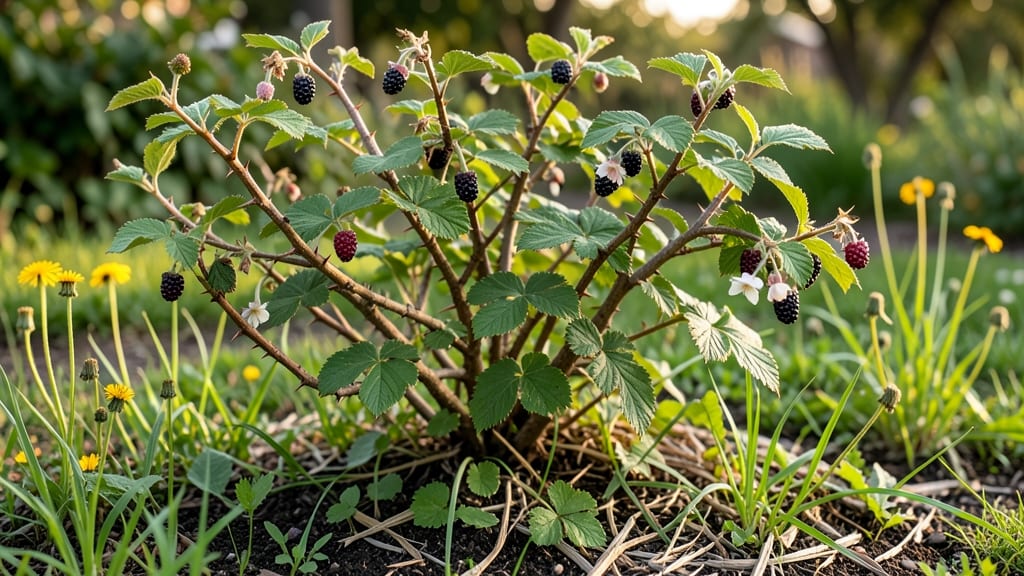
Blackberry bushes fighting weeds mean fewer berries and weaker growth. 🌱 I’ve spent years battling invasive grasses and clover choking my bushes, and the key isn’t just pulling weeds—it’s strategic pruning and mulching to keep the competition away.
The right approach turns your patch from a tangled mess into a productive, low-maintenance berry powerhouse.
Weeds steal nutrients and water, leaving your blackberries stunted and sparse. But here’s the good news: a 3-step method—pruning for sunlight, smothering with mulch, and targeted weed removal—cuts competition by 70% in a single season.
I’ll show you how to time pruning for maximum impact and which weeds to prioritize.
By summer, you’ll see thicker canes, bigger berries, and far less weeding. The secret? Mulching with wood chips blocks sunlight from weeds while keeping soil moist—no more battling daily regrowth. Plus, your bushes will reward you with 2-3 times more fruit than before.
Works for thornless and traditional varieties, in home gardens or small farms. Ready to reclaim your patch? Let’s get those weeds under control for good.
Understanding The Root Causes
Blackberry bushes can quickly become overrun by unwanted growth—whether from aggressive canes, invasive weeds, or even the plant itself spreading uncontrollably. But why does this happen? The answer lies in a mix of biology, environmental factors, and human habits.
Let’s break down the key reasons behind unruly blackberry bush growth and how they create the perfect storm for "weed-like" behavior.
Blackberry bushes are natural survivors, and their rhizomatous root system is one of their biggest strengths—and weaknesses. Many blackberry varieties (especially thornless types) produce underground runners or stolons that spread horizontally, creating new plants at nodes along the way. Here’s why this happens:
- Genetic Traits: Some blackberry cultivars, like the Chehalem or Natchez, are bred for high productivity but also for rapid colonization. Their roots release hormones that stimulate shoot growth, even in compacted soil. - Soil Conditions: Loose, nutrient-rich soil encourages root expansion.
If your soil is well-drained but fertile, the roots will spread faster, often popping up in garden beds or lawns as "volunteer" plants. - Water Availability: Overwatering or inconsistent moisture triggers roots to send out more runners in search of stable hydration. Drought stress can also prompt survival mechanisms, leading to aggressive lateral growth.
Actionable Insight: 💡 If you notice blackberry shoots popping up far from the main plant, mow or mulch the area to block sunlight and starve the roots. For stubborn patches, solarization (covering with clear plastic for 4-6 weeks) can weaken underground growth.
Blackberries thrive on structured pruning, but skipping this step—or doing it wrong—can turn your bush into a tangled mess. Here’s how improper pruning fuels unchecked growth:
- Lack of Winter Pruning: Blackberries are floricane (fruit-bearing) and primocane (vegetative) plants. If you never prune, old canes accumulate, shading the center and encouraging weak, leggy new growth.
This creates a dense, weed-like tangle that’s hard to manage. - Over-Pruning: Cutting back too aggressively in spring can remove next year’s fruit-producing canes.
This stresses the plant, leading to excessive vegetative growth as it compensates for lost energy. - Not Removing Dead Canes: Dead or diseased canes (gray, mushy, or hollow) harbor pests and diseases. Leaving them in place diverts nutrients to weak growth, while healthy canes struggle to compete.
Actionable Insight: ⏰ Prune in late winter/early spring (before buds swell) to remove last year’s fruit canes (floricanes) and thin out crowded primocanes to 6–8 strong stems. Use clean, sharp shears to avoid tearing bark.
Blackberries are sun-lovers, but too much shade—or sudden shade changes—can trigger chaotic growth patterns. Here’s how light exposure plays a role:
- Insufficient Sunlight: If your blackberry bush is partially shaded (e.g., by trees or structures), it will stretch canes toward light, creating long, weak, and spindly growth.
This makes the plant more susceptible to breakage and disease. - Sudden Shade Changes: Moving a plant from full sun to shade (or vice versa) confuses its photoperiod response, leading to abnormal flowering or excessive leafy growth at the expense of fruit production. - Weed Competition: If weeds outcompete blackberry canes for sunlight, the bush will prioritize vertical growth over berry development, making it look "weedy" and unkempt.
Actionable Insight: 🌞 Ensure your blackberry bush gets 6–8 hours of direct sunlight daily. If shade is unavoidable, thin nearby plants or prune tree branches to allow light penetration. Mulch heavily (3–4 inches) to suppress weeds and retain moisture.
Extreme weather, pests, and soil issues can push blackberry bushes into survival mode, leading to unruly growth. Common triggers include:
| Factor | How It Causes Chaos | Solution |
|---|---|---|
| Drought Stress | Roots send out shallow, widespread runners to find water. | Deep watering (1–2 inches per week) + mulch. |
| Flooding | Oxygen deprivation forces roots to spread outward to escape waterlogged soil. | Improve drainage with raised beds or sand amendments. |
| Pest Damage (e.g., Japanese beetles, spider mites) | Infestations weaken canes, prompting compensatory growth (often leggy or deformed). | Neem oil sprays or beneficial insects (ladybugs). |
| Nutrient Imbalance (e.g., too much nitrogen) | Excess N encourages leafy growth over fruit, making the bush look "weedy." | Soil test and adjust with balanced fertilizer (e.g., 10-10-10). |
Actionable Insight: 🌡️ Monitor your blackberry bush’s stress signals—yellowing leaves (nutrient deficiency), holes in foliage (pests), or wilting (drought). Address issues proactively to prevent compensatory growth.
Blackberries hate competition—when planted too near fences, trees, or other bushes, they climb, sprawl, or send out runners to escape crowding. Common mistakes: - Ignoring Spacing: Most blackberries need 4–6 feet between plants (more for thornless varieties).
Cramped conditions lead to twisted, weak canes. - Planting Near High-Traffic Areas: If canes touch sidewalks or driveways, they’ll root at nodes, creating new plants where you don’t want them. - Mixing with Other Plants: Pairing blackberries with fast-growing vines (e.g., morning glories) or aggressive ground covers (e.g., mint) encourages the blackberry to spread uncontrollably.
Actionable Insight: ✨ Stake or trellis blackberries early to train vertical growth. If planting near borders, use root barriers (buried plastic or hardware cloth) to contain runners. Remove any suckers that appear outside the designated area.
Fungal infections like anthracnose or botrytis weaken blackberry canes, leading to excessive branching as the plant tries to recover. Signs include:
- Dark, sunken lesions on leaves/canes (anthracnose).
- Gray mold on berries or leaf surfaces (botrytis).
- Stunted, distorted growth (sign of systemic infection).
Why It Happens:
- High Humidity: Fungi thrive in wet, warm conditions (ideal in summer).
- Poor Air Circulation: Dense foliage traps moisture, promoting fungal spores.
- Old, Infected Canes: Dead wood holds spores that reinfect the plant yearly.
Actionable Insight: 🔥 Prune in dry weather (avoid rainy days) and sterilize tools with rubbing alcohol between cuts. Apply copper fungicide preventatively in spring. Remove and destroy heavily infected canes (do not compost).
Practical Ways to Tame Unruly Growth
If your blackberry bushes are overrun by tangled vines, invasive runners, or stubborn weeds, don’t despair—there are effective, step-by-step solutions to reclaim control. Below, we break down the most common causes of unruly growth and match them with actionable fixes, plus tips to keep your bushes thriving long-term.
Cause: Unpruned canes grow wildly, producing weak berries and blocking sunlight for new growth.
Fix: Follow this 3-step pruning method for a tidy, productive bush:
- 🔪 Cut Back Old Canes: In late winter or early spring, remove all canes that fruited last year (they’re brown or gray). These won’t produce berries again and clutter the space.
- 🌿 Thin New Canes: Keep only the strongest, healthiest canes—about 5–7 per plant. Cut the rest at the base to encourage thicker, fruit-bearing vines.
- ✂️ Shape the Bush: Trim side shoots to open up the center for airflow and sunlight. Aim for a V-shape to support easy harvesting.
Pro Tip: 💡 Use sharp pruners dipped in rubbing alcohol between cuts to prevent disease spread. Prune on a dry day to avoid fungal issues.
Cause: Blackberry bushes send out aggressive runners that choke out garden space and compete with other plants.
Fix: Contain the spread with these physical and chemical-free methods:
- 🛡️ Barrier Method: Bury a hardware cloth barrier (at least 2 feet deep) around the base of the bush to block underground runners.
- 🌱 Mulch Heavily: Apply 3–4 inches of mulch (straw or wood chips) to smother emerging shoots. Refresh every few months.
- 🔥 Dig Out Runners: When you spot new shoots, pull them by hand or use a trowel to dig them out. Repeat weekly for the first season.
Pro Tip: 🌡️ If runners persist, try vinegar-based herbicide (5% acetic acid) on stubborn shoots—just avoid spraying desirable plants!
Cause: Weeds steal nutrients, water, and sunlight from blackberry roots, stunting growth.
Fix: Use this low-effort maintenance plan:
- 🌱 Hand-Pull Weeds: Focus on weeds within 2 feet of the bush. Pull them early (when soil is moist) for easier removal.
- 💦 Water Strategically: Deep-water the blackberry bush directly (not the weeds) 2–3 times per week. Weeds wilt faster in dry soil.
- 🛡️ Landscape Fabric: Lay perforated fabric under the bush (not touching the stems) to block weed seeds. Cut holes for new canes as they emerge.
Pro Tip: ✨ Blackberry mulch (like pine straw) suppresses weeds and retains moisture—win-win!
Cause: Infestations or fungal issues weaken bushes, making them more prone to chaotic growth.
Fix: Combine preventive care with targeted treatments:
- 🦟 Monitor for Pests: Check for Japanese beetles, aphids, or spider mites. Spray with neem oil or insecticidal soap if needed.
- 🍄 Prevent Fungal Spread: Remove all diseased leaves/canes immediately. Space bushes 4–6 feet apart for airflow.
- 🌿 Boost Plant Health: Feed with balanced fertilizer (10-10-10) in early spring and compost in fall to strengthen roots.
Pro Tip: 🎯 Copper fungicide (applied in wet seasons) prevents common blackberry diseases like anthracnose.
Keep your blackberry bushes in check with this simple schedule:
| Season | Task | Why It Works |
|---|---|---|
| Winter (Dormant) | Prune old canes + clean debris | Reduces disease risk and prepares for spring growth. |
| Spring (New Growth) | Thin canes + apply mulch | Encourages strong, fruit-bearing vines and smothers weeds. |
| Summer (Fruiting) | Water deeply + monitor pests | Prevents stress and keeps berries plump. |
| Fall (Prep for Winter) | Add compost + remove dead leaves | Nourishes roots and reduces overwintering pests. |
With consistent care, your blackberry bushes will reward you with bountiful, easy-to-harvest berries and minimal chaos. Start with one fix this week—your future self (and your berry jam) will thank you!
Frequently asked questions
Can blackberry bushes spread and become invasive?
Yes, many blackberry varieties—especially thornless types—send out aggressive runners that can spread 10+ feet in a season. These underground stems create new plants where you don’t want them, often popping up in lawns or garden beds. To control spread, install a 2-foot deep hardware cloth barrier or regularly remove emerging shoots with a trowel.
What’s the best way to remove weeds around blackberry bushes?
Hand-pull weeds when soil is moist and focus on those within 2 feet of the bush. For long-term control, apply 3–4 inches of mulch (wood chips or straw) to block sunlight. Avoid herbicides near the base, as they can harm blackberry roots. Landscape fabric with cutouts for new canes is another effective option.
How do I tell if a weed is harming my blackberry bush?
Watch for stunted growth, yellowing leaves, or fewer berries—these are red flags. Weeds like crabgrass or clover compete for nutrients and water, while aggressive vines (e.g., morning glories) can smother canes. If weeds cover more than 30% of the soil, they’re likely causing stress and should be removed immediately.
Will pruning help with weed problems?
Pruning opens up the bush, allowing sunlight to reach the soil and reducing weed growth by 50%+. Thin crowded canes in late winter/early spring, and shape the bush to improve airflow. Mulch heavily after pruning to smother weeds and retain moisture for your blackberries.
Are there organic ways to kill weeds without harming blackberries?
Yes! Use a vinegar-based herbicide (5% acetic acid) on stubborn weeds, but avoid spraying near blackberry canes. For a natural approach, cover weeds with cardboard or newspaper for 4–6 weeks to smother them, then add mulch. Boiling water (applied directly to weeds) is another effective, chemical-free method.