
Shrubs
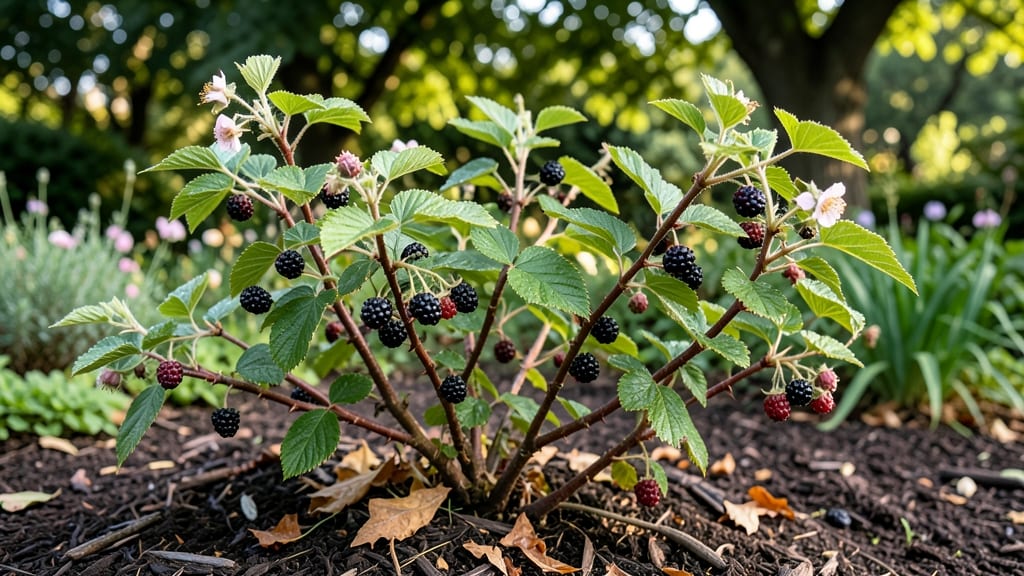
Blackberry bushes in Florida need one key trick to survive the heat and humidity: proper pruning and shade management. 🌿 I’ve grown these thorny sweethearts for years, and the difference between a struggling patch and a productive thicket comes down to timing, variety selection, and avoiding common Florida pitfalls like fungal diseases.
The right Florida varieties—like 'Arapawa' or 'Chester'—thrive in our climate because they handle heat and occasional light frosts better than northern types. Plant them in morning sun with afternoon shade, and amend heavy clay soil with compost to prevent root rot.
Mulch heavily to keep roots cool and retain moisture during our dry spells. By mid-spring, you’ll see bold new canes pushing through, and with the right pruning (cutting old canes to the ground in winter), each plant can produce pounds of berries from June through August.
The key is staying ahead of pests like spider mites and birds—netting helps, but so does keeping plants healthy. This method works for both homesteads and small yards. Let’s get those bushes producing like they’re in a Florida sunshine commercial.
📚 In This Guide
- What you need
- Instructions
- Tips and common mistakes
- Wrapping up and next steps
What you need
- ● Blackberry plants: Choose thornless varieties (like 'Arapawa' or 'Natchez') for easier handling. Buy 2-3 healthy, dormant canes (or potted plants) from a reputable nursery.
- ● Pruning shears: Sharp, bypass pruners (avoid anvil types—they crush canes). Look for 5-7 inch blades for precision.
- ● Gloves: Heavy-duty gardening gloves (thick leather or reinforced) to protect against thorns and scratches.
- ● Pruning saw: A folding pruning saw (for thicker canes over ½ inch in diameter).
- ● Disinfectant: 70% isopropyl alcohol or a 10% bleach solution to sterilize tools between cuts (prevents disease spread).
- ● Mulch: 3-4 inches of organic mulch (pine straw, wood chips, or compost) to retain moisture and suppress weeds.
- ● Fertilizer: Balanced, slow-release fertilizer (e.g., 10-10-10 or 8-3-9) or compost to enrich soil. Apply in early spring.
- ● Trellis or wire support: T-posts with 3-4 strands of galvanized wire (8-10 feet long) to train canes vertically and improve airflow.
- ● Soil tester kit: To check pH (ideal: 5.5-6.5) and adjust with lime (to raise pH) or sulfur (to lower pH) if needed.
- ● Drip irrigation system: For consistent moisture, especially during Florida’s dry seasons.
- ● Bird netting: If birds are a problem, use lightweight netting to protect ripening berries.
- ● Blackberry plant food: A high-potassium supplement (like 0-0-50) in late summer to boost fruit production.
Instructions for pruning blackberry bushes in Florida’s climate
Florida’s warm winters and long growing season mean blackberries thrive—but only if you prune smart. Here’s how to keep your bushes productive year-round.
✂️ Step 1: Identify and Remove Dead or Weak Canes
Start in late winter or early spring, just as new growth begins to emerge. Look for canes that are hollow, cracked, or showing signs of disease—these won’t produce fruit and compete with healthy growth. Use sharp pruning shears to cut them back to the ground. I always work from the center outward to improve airflow and sunlight penetration.
Healthy canes are firm, green, and straight. If you’re unsure, scratch the bark—if it’s green underneath, the cane’s still alive. Remove any canes thinner than a pencil; they won’t bear fruit effectively. This step prevents pests and diseases from taking hold in weak wood.
✂️ Step 2: Prune for Productivity—Cut Back Last Year’s Fruit Canes
Blackberries produce fruit on second-year canes, so after harvest, cut back the canes that bore fruit last season to the ground. These are the thicker, woody stems that look exhausted. Leave the thinner, first-year canes—they’ll fruit next year. I like to bundle and label these canes with a flag if needed, so I don’t accidentally prune them too soon.
This pruning strategy ensures a steady harvest. Without it, your bush will become overcrowded, and fruit production will decline. Florida’s heat speeds up growth, so prune aggressively—don’t hesitate to remove up to half the canes if they’re overgrown. Timing matters: do this right after harvest, not in the heat of summer.
☀️ Step 3: Thin Canes for Airflow and Sunlight
After removing dead and fruited canes, thin the remaining ones to 10-12 inches apart. This spacing lets sunlight reach the center of the bush and reduces humidity, which is critical in Florida’s sticky climate. Use your shears to cut canes at a 45-degree angle just above an outward-facing bud to encourage strong growth.
Watch for canes growing inward—they’ll shade the center and invite fungal issues. If you see any, prune them immediately. A well-thinned bush produces larger, sweeter berries. I often do a light thinning in midsummer too, if canes get too crowded after spring’s rapid growth.
🌱 Step 4: Encourage New Growth with Light Pruning
Throughout the growing season, trim back any overly vigorous shoots that are growing toward the center or crossing over other canes. Pinch back the tips of new growth by one-third to encourage bushier, stronger stems. This is especially important in Florida’s heat, where canes can grow 6 inches in a week if unchecked.
New growth should be vibrant green and upright. If you see leggy, pale canes, they’re not getting enough light—thin more aggressively. A lightly pruned bush in Florida stays productive longer and resists stress from heat and humidity. I also remove any suckers growing from the base unless you’re propagating new plants.
⏰ Step 5: Prepare for Winter Dormancy (If Needed)
Florida’s mild winters usually mean blackberries don’t go fully dormant, but if a cold snap drops temps below 30°F, protect your bush by cutting back any tender new growth. Wrap the center with burlap or use a frost cloth if you’re in a colder microclimate. Prune lightly in early spring to remove any frost-damaged canes.
Even in Florida, blackberries benefit from a clean slate in late winter. I do a final check in February, removing any dead wood and shaping the bush for the season ahead. This keeps your plants vigorous and sets them up for another bumper crop.
Tips & tricks for thriving blackberry bushes in Florida
Florida’s climate demands a strategic approach to pruning—here’s how to avoid common pitfalls and maximize your harvest.
Tool Prep: Always sanitize your pruning shears with rubbing alcohol between cuts in Step 1. This prevents spreading disease from infected canes to healthy ones. I also sharpen my blades monthly—they should cut cleanly through a pencil with ease. Dull shears tear bark, inviting infection, especially in Florida’s humid air.
Seasonal Timing: The late winter/early spring window for Step 1 is critical because Florida’s warm winters can trick bushes into early growth. Look for swollen buds as your cue—this means new growth is about to emerge. If you prune too early, you risk removing healthy canes that haven’t yet produced fruit.
Visual Cues for Healthy Canes: In Step 2, when identifying last year’s fruited canes, look for these telltale signs: they’ll be thicker than your thumb, have a rough, woody texture, and often show old fruit scars. The first-year canes you’re keeping should be smooth, green, and about pencil-thick. If you’re unsure, do the scratch test—green underneath means it’s alive.
Climate-Specific Adjustments: Florida’s heat accelerates growth, so be extra vigilant in Step 4 about removing suckers from the base. These can drain energy from your main plant. I’ve seen bushes in South Florida produce suckers every 10 days during peak summer—remove them immediately to maintain plant vigor. For the 30°F cold snap protection in Step 5, even Florida’s northern regions can experience these rare drops, so keep frost cloths handy.
Pro Tips for Blackberry Bush Florida
- Florida’s climate demands a strategic approach to pruning—here’s how to avoid common pitfalls and maximize your harvest.
- Tool Prep: Always sanitize your pruning shears with rubbing alcohol between cuts in Step 1.
- Seasonal Timing: The late winter/early spring window for Step 1 is critical because Florida’s warm winters can trick bushes into early growth.
Frequently asked questions
Got questions about growing blackberry bushes in Florida? You’re not alone! Here are answers to the most common queries—from planting to pruning—so you can keep your berries thriving year-round.
When is the best time to plant blackberry bushes in Florida?
Plant blackberries in late winter or early spring (January–March) to avoid extreme heat. Florida’s mild winters make this ideal for root establishment before summer’s intensity. If planting in fall, do so by November to give roots time to settle before cold snaps. Avoid summer planting—heat stress slows growth!
How often should I prune my blackberry bushes?
Prune twice a year: once in late winter (remove dead/diseased canes) and again after harvest (cut back old canes to encourage new growth). Florida’s warm climate means canes grow aggressively—prune 1/3 of the oldest canes annually to maintain productivity. Use sterilized tools to prevent disease spread!
Why aren’t my blackberry bushes producing fruit?
Lack of fruit often stems from poor pollination, over-pruning, or nutrient deficiencies. Ensure bushes get 6+ hours of sun and plant near flowering plants to attract pollinators. Check for thrips or spider mites (common pests in Florida) and fertilize with high-potassium soil amendments in spring. Young bushes may take 2–3 years to bear fruit—patience is key!
Can blackberry bushes survive Florida’s hurricanes or heavy rain?
While blackberries are drought-tolerant once established, they hate waterlogged soil. Plant on sloped ground or raised beds to improve drainage. After storms, prune damaged canes and monitor for fungal diseases (like anthracnose) caused by excess moisture. Mulch heavily to protect roots during high winds—3–4 inches of organic mulch works best!
What’s a good alternative if blackberries are too tricky for my Florida yard?
Try Florida-friendly alternatives like:
- Muscadine grapes (drought-resistant, great for jams)
- Fig trees (low-maintenance, thrives in heat)
- Strawberries (everbearing varieties like ‘Florida Beauty’)
- Blueberry bushes (acidic soil lovers, but easier than blackberries)
Wrapping up and next steps
Growing blackberry bushes in Florida is a rewarding experience—whether you're harvesting juicy berries for jams, fresh snacks, or selling at local markets! 🌱 With the right pruning techniques, soil care, and seasonal attention, your blackberry patch can thrive year-round.
Remember, consistency is key: stay proactive with pruning, monitor for pests, and enjoy the sweet rewards of your labor.
Ready to take the next step? Start small—plant a few bushes this season and experiment with different varieties to find your favorites. Before you know it, you’ll be savoring homegrown blackberries straight from your Florida garden! 🍇✨