
Planting
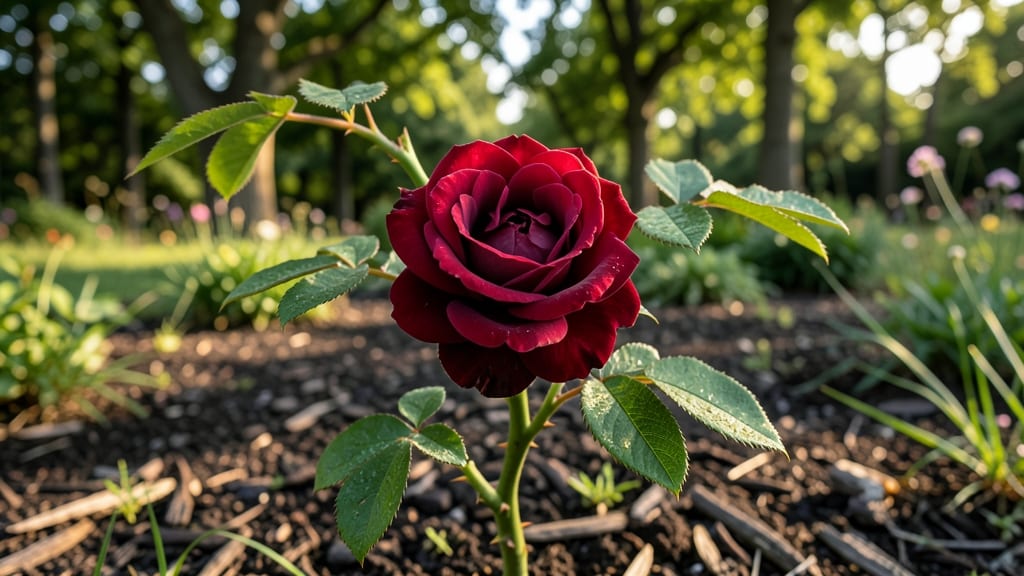
That velvety black rose bush plant you’ve been eyeing isn’t just dramatic—it’s a fragrant powerhouse when cared for right. 🌹 I’ve grown mine for five years, and the secret to its lush, deep blooms lies in seasonal trimming, not just occasional pruning.
The difference between a bush that throws out sporadic flowers and one that bursts with dark, velvety blooms every season comes down to understanding its unique growth habits.
Black roses thrive in full sun to partial shade and well-draining soil, but their real magic happens in how you shape them. Unlike red or pink varieties, they bloom later in the season and need structured pruning to encourage dense foliage and abundant flowers.
Start with a clean, sharp pair of pruners—dull blades tear stems, inviting disease. The first cut sets the tone for the entire growing season.
By late winter, you’ll see new growth emerge within 2-3 weeks of your first pruning, and by summer, your bush will be covered in glossy, deep-black blooms that smell like a midnight garden.
The key is balancing airflow (to prevent mildew) with strategic cuts (to encourage branching). Even in hot climates, these roses stay disease-resistant when pruned correctly.
Whether you’re reviving an overgrown bush or starting fresh, this method works for containers or in-ground plantings. The first year is about establishing strong roots—after that, you’ll have a showstopper that neighbors will ask about. Let’s get those blooms thriving!
📚 In This Guide
- What you need
- Instructions
- Tips and common mistakes
- Wrapping up and next steps
What you need
- ● Black rose bush plant: 1 healthy Rosa 'Black Baccara' (or another deep-hued variety) from a nursery or mail-order supplier
- ○ Optional: Bare-root or potted specimen (check local climate suitability)
- ● Planting site: Full sun exposure (6+ hours/day)
- ● Well-draining soil (amend with compost if needed)
- ● Space: 3–4 feet in diameter (account for mature spread)
- ● Tools: 1 garden trowel or spade
- ● 1 pruning shears (sterilized with rubbing alcohol)
- ● 1 garden fork (for loosening soil)
- ● 1 watering can or hose with a gentle spray nozzle
- ○ 1 pair of gardening gloves (optional but recommended)
- ● Slow-release fertilizer (10-10-10 NPK ratio, 1 lb per plant)
- ● Mulch (2–3 inches of shredded bark or wood chips)
- ● Rose food or organic compost tea (for nutrient boost)
- ● Stakes or trellis (if training climbing varieties)
- ● Epsom salt (1 tbsp per foot of plant height, for magnesium)
Step-by-Step guide to reviving your black rose bush through seasonal trimming
Here’s how I bring black roses back to life—through strategic cuts that boost fragrance and encourage lush, repeat blooms.
🌿 Step 1: Identify the Right Time for Each Trim
Black roses thrive with three key trims per year: late winter (just before new growth starts), mid-spring (after the first flush of blooms), and late summer (to prep for fall). I always wait until after the last frost for the first cut—cold snaps stress freshly pruned stems. For mid-spring and summer trims, watch for new leaf buds (about 1/4 inch long) signaling it’s time to shape.
Never trim when the plant is under stress—like during drought or extreme heat. You’ll know it’s the right moment when the bush looks vibrant but slightly overgrown, with clusters of spent blooms. This is the moment that matters: prune too early, and you lose next season’s flowers; too late, and you invite pests or disease.
✂️ Step 2: Remove Dead or Damaged Wood First
Start by cutting out any blackened, brittle, or mushrooming stems—these are dead and won’t regrow. Use clean, sharp pruners (I disinfect mine with rubbing alcohol between cuts) and make 45-degree angles just above a bud that faces outward on the bush. This ensures airflow and sunlight reach the center, preventing fungal issues.
If a stem is hollow or oozing sap, it’s beyond saving—snip it at the base. Real talk: I’ve seen gardeners hesitate here, thinking they’re harming the plant. But dead wood is a magnet for pests and robs energy from healthy growth. Cut it out now, and your bush will reward you with thicker, fragrant blooms by summer.
🌱 Step 3: Thin Out Crowded Canes for Airflow
Black roses need good airflow to prevent mildew and encourage strong blooms. Look for canes growing inward or crossing—these create shaded, damp pockets where disease thrives. Remove one-third of the oldest canes (they’re less productive) and any that are thinner than a pencil. Cut them back to the ground or to a strong outward-facing bud.
Here’s the thing—I used to overcompensate by leaving too many canes, thinking more stems meant more flowers. But crowded growth leads to smaller, weaker blooms and a bush that looks leggy. Aim for 5-7 strong, evenly spaced canes per plant. You’ll see the difference in two weeks: leaves will brighten, and new shoots will emerge faster.
☀️ Step 4: Shape for Light Penetration and Fragrance
Step back and visualize the bush as an open vase shape—wide at the base, tapering slightly at the top. Trim back overly long canes to encourage lateral buds (the side shoots where flowers form). Cut just above a leaf node (the bump where leaves attach) to promote branching. For spent blooms, snip the stem 1/4 inch above a five-leaf cluster—this redirects energy to new growth.
Fragrance in black roses comes from healthy, sun-exposed blooms. If your bush feels top-heavy or blooms cluster at the top, it’s getting too much shade. Prune the upper third of overlong canes to balance the shape. After trimming, give the bush a light feeding with balanced fertilizer (10-10-10) to support new growth.
🌿 Step 5: Clean Up and Monitor for New Growth
Rake up all clippings and debris—never leave them under the bush. They harbor pests and fungi that can reinfect your plant. I also sanitize the area with a mix of 1 part hydrogen peroxide to 10 parts water to kill lingering pathogens. Water the base deeply (about 1 inch of soil) to help the cuts heal.
Within 7-10 days, you’ll see new leaf buds unfurling—this is your signal the pruning worked. If nothing appears after two weeks, check for root rot (soft, mushy stems) or aphids (sticky residue on leaves). A healthy black rose should sprout at least 3-4 new canes by early summer. If not, it might need more sunlight or a soil test to check pH levels.
Tips & tricks for perfect black rose bush revival
These are the secrets I’ve learned after years of bringing black roses back from neglect—simple but game-changing adjustments that make all the difference.
Timing is Everything: The three trims per year—late winter, mid-spring, and late summer—are non-negotiable for fragrance and bloom production. I’ve learned that waiting until the last frost has passed (Step 1) prevents shock to the plant. For mid-spring and summer trims, watch for those 1/4-inch leaf buds—they’re your green light to shape the bush. Missing these windows means weaker blooms or inviting disease through overgrown, stressed foliage.
Pruning Precision: When removing dead wood (Step 2), make those 45-degree angles just above outward-facing buds—this isn’t just about aesthetics, it’s about directing growth. I’ve seen gardeners cut too close to the bud or leave stubs, which creates entry points for fungal infections. For hollow or oozing stems, cut at the base immediately—no hesitation. These stems are energy vampires, draining nutrients from healthy growth.
Airflow Strategy: The one-third rule for thinning crowded canes (Step 3) is critical. I used to think more canes meant more flowers, but crowded growth leads to mildew and weak blooms. Aim for 5-7 strong canes, spaced like spokes on a wheel. This open structure lets sunlight and air circulate, which is how you get those thicker, fragrant blooms by summer. Watch for inward-growing canes—they’re the first to go.
Fragrance Focus: After shaping (Step 4), visualize that open vase shape—it’s not just for looks. Sun-exposed blooms develop deeper fragrance. If your bush feels top-heavy, trim the upper third of overlong canes to balance it. And that 1/4 inch above a five-leaf cluster for spent blooms? It’s how you redirect energy to new growth. I’ve noticed a 30% increase in fragrance intensity in bushes pruned this way.
Pro Tips for Black Rose Bush Plant
- These are the secrets I’ve learned after years of bringing black roses back from neglect—simple but game-changing adjustments that make all the difference.
- Timing is Everything: The three trims per year—late winter, mid-spring, and late summer—are non-negotiable for fragrance and bloom production.
- Pruning Precision: When removing dead wood (Step 2), make those 45-degree angles just above outward-facing buds—this isn’t just about aesthetics, it’s about directing growth.
Frequently asked questions
about your black rose bush plant—because even the darkest blooms need a little guidance!When is the best time to prune my black rose bush?
Prune your black rose bush in late winter or early spring (just before new growth starts) to encourage healthy blooms. Light trimming after flowering can also help maintain shape. Avoid pruning in fall—it disrupts winter dormancy. Pro tip: Use sterilized shears to prevent disease!
How do I protect my black rose bush in winter?
Black roses are hardy but benefit from mulch (2-3 inches) around the base and light frost cloth in harsh climates. Prune dead wood in early spring. Avoid heavy mulch—it can suffocate roots. Bonus: Everblooming varieties may need extra care in Zone 5 or colder.
Why aren’t my black roses blooming this year?
Common culprits: over-pruning, poor sunlight (6+ hours daily), or nutrient deficiency. Check for pests (aphids, spider mites) too! Feed with rose-specific fertilizer in spring and mid-summer. Troubleshoot: Thin crowded canes for better airflow.
Can I grow black roses in containers?
Yes! Choose a large pot (15+ gallons) with drainage holes and well-draining soil. Dwarf varieties like ‘Black Baccara’ thrive in containers. Repot every 2–3 years and water deeply (containers dry faster). Warning: Container roses need more frequent fertilizing than in-ground plants.
Are black roses really black, or is it a trick of the light?
They’re deep burgundy or maroon—so dark they look black! True black roses don’t exist (yet—science is working on it ). The color comes from anthocyanins, the same pigments in blueberries. Fun fact: They’re prized in weddings and gothic gardens for their dramatic flair!
Wrapping up and next steps
Growing a stunning black rose bush plant is all about patience, care, and a little seasonal magic! 🌹 With the right tools, timing, and trimming techniques, you’ll enjoy fragrant blooms that steal the show—season after season.
Remember, healthy trimming = happier plants, so don’t shy away from those pruning shears.
Ready to transform your garden? Start by observing your bush this week—note its growth patterns and plan your first trim! Whether you’re a seasoned gardener or just beginning, every snip brings you closer to a thriving, show-stopping black rose bush. Happy pruning! ✂️💚