
Pruning
Trimming blackberry bushes at the right time is the secret to stronger canes and bigger harvests—and late winter dormancy is the best time to do it.
Picture this: You’ve just spent hours pruning, only to watch your 🫐 bushes struggle with weak growth or even worse, pests moving in. The difference between a thriving blackberry patch and a disappointing one often comes down to when you cut—and why you cut.
In USDA Zone 6a, the ideal window is February through early April, when the plant is dormant but before new shoots emerge. This timing gives you the chance to shape the bush without stressing it, while also removing old canes that would otherwise sap energy from fruit production.
Below, I’ll walk you through the exact steps to prune for maximum health, including how to tell when your blackberries are truly ready—and how to avoid the three biggest mistakes that turn a good pruning session into a wasted effort.
When to prune blackberry bushes: late winter dormancy window explained
Timing your blackberry pruning in late winter is the secret to healthier canes and bigger harvests. This is when your bushes enter dormancy, a natural resting phase that makes them resilient to pruning.
Pruning at the wrong time—like during active growth—can shock the plant and invite diseases. The key is understanding your climate zone and watching for specific signs that your blackberries are truly dormant.
Blackberries thrive when pruned during their dormant season, which typically falls between late winter and early spring. For most gardeners in USDA zones 5-9, this window opens in February or March, just as the last frost threatens but before new growth begins.
In warmer zones (zones 9-10), you might prune as early as January or even late December. The exact timing depends on your local frost dates and the type of blackberry variety you’re growing.
Here’s the golden rule: Prune when your blackberry canes have lost all leaves and appear brown or gray. This is your cue that the plant has entered dormancy.
If you see green buds or new shoots, wait—pruning too early can stress the plant and reduce next year’s fruit production. Patience here pays off with stronger canes and a more productive harvest.
Why does dormancy matter? During this period, your blackberry’s energy is focused on root development rather than leaf or fruit production. Pruning while dormant minimizes stress and allows the plant to redirect energy to new growth once warmer weather arrives.
It’s like giving your blackberry a fresh start for the growing season ahead.
Visual cues are your best friends when determining the perfect pruning window. Look for these three key signs:
- Complete leaf drop: All leaves should have fallen off the canes.
- Dull cane color: Canes should appear brown or gray, not green or vibrant.
- No new growth: There should be no visible buds or shoots emerging.
| Climate Zone | Best Pruning Window | Key Signs to Watch For | Why This Timing Works |
|---|---|---|---|
| USDA Zones 5-7 (Cold Climates) | Late February to early March | Canes are fully dormant, brown, and leafless | Avoids late frosts while plant is resilient |
| USDA Zones 8-9 (Temperate Climates) | January to February | Leaves dropped by January, canes appear gray | Milder winters allow earlier pruning |
| USDA Zones 10+ (Warm Climates) | Late December to January | No leaf drop; prune when canes stop growing | Avoids heat stress and encourages spring flush |
| Everbearing Varieties (All Zones) | Immediately after harvest | Canes produce fruit twice; prune when fruit stops | Encourages second flush of growth |
If you’re unsure whether your blackberries are truly dormant, do this quick check: Gently scratch the bark of a cane with your fingernail. If it’s hard and dry, it’s ready for pruning.
If it’s still soft or green underneath, wait another week or two. This simple test can save you from pruning too early and weakening your plant.
One common mistake I see is pruning blackberries in fall. While it might seem logical to tidy up before winter, fall pruning can stimulate new growth that won’t harden off before frost, leading to winter damage.
Always wait until dormancy to prune—your blackberries will thank you with healthier canes and a more abundant harvest next season.
For gardeners in transition zones (like zone 7b), where winters are mild but can still dip below freezing, aim to prune in late February. This gives you a buffer against unexpected late frosts while ensuring the plant has fully entered dormancy.
If you’re in doubt, err on the side of waiting—your blackberries are tougher than you think and can handle a little extra patience.
Once you’ve mastered the art of dormancy pruning, you’ll notice a dramatic difference in your blackberry bushes. Stronger canes mean better air circulation, which reduces the risk of fungal diseases like botrytis.
Plus, pruning during dormancy makes it easier to identify and remove dead or weak canes, giving your healthy canes more room to thrive. It’s a win-win for both your plants and your future harvests.
Pro tip: Mark your calendar now for next year’s pruning date based on your zone. Set a reminder to check for dormancy signs in late winter, and you’ll never miss the perfect window again.
With this timing down, you’re one step closer to bountiful blackberry bushes that produce like crazy every season. Happy pruning! 🌱
Step-by-step late winter blackberry pruning: tools and techniques for stronger canes
Late winter is the perfect window to prune blackberries because the plants are dormant, making them less stressed. This is when you’ll identify floricane (last year’s fruiting canes) from primocane (current year’s growth). Proper pruning now sets the stage for bigger yields and healthier canes next season.
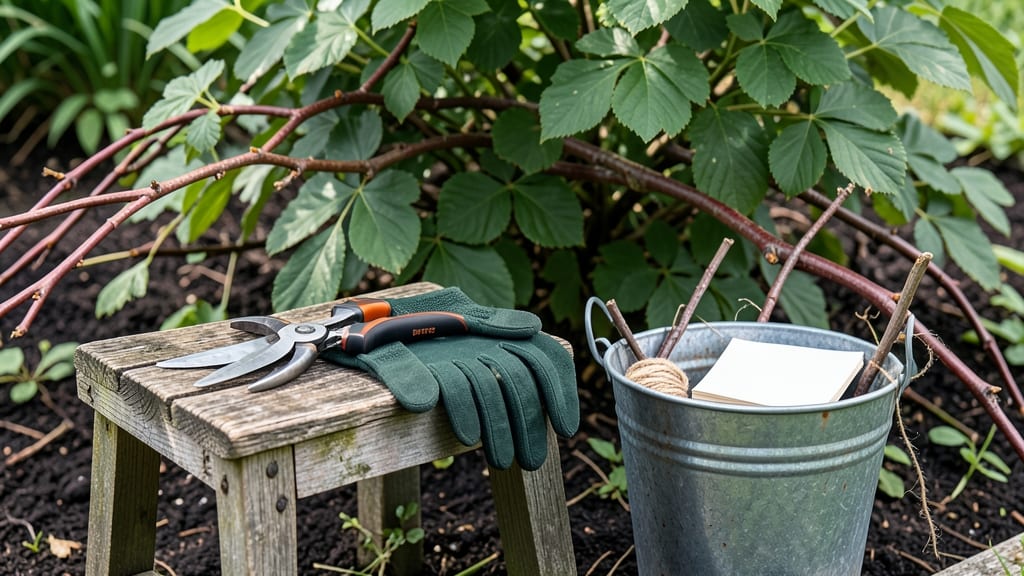
Before you start, gather your essential tools: bypass pruners (for clean cuts), gloves (to protect from thorns), a sanitizer (like rubbing alcohol), and a sharp knife for larger branches. Skipping these tools can lead to jagged cuts, disease spread, or even injuries.
Now, let’s tackle the pruning process step-by-step to ensure your blackberries thrive. Follow these actions to maximize airflow, sunlight, and fruit production while avoiding common pitfalls.
Avoid these common mistakes: cutting into old wood (leaves white centers), leaving too many canes (overcrowding), or pruning when buds are already swelling. These errors can reduce fruit production or stress your plants.
After pruning, your blackberries will rebound with vigor. The open structure allows better airflow, reducing fungal diseases like botrytis. Plus, you’ll see thicker, healthier canes by next season—ready for a bountiful harvest.
With these steps, your blackberry bushes will thrive for years to come. Happy pruning! 🌱✂️🫐