
Planting
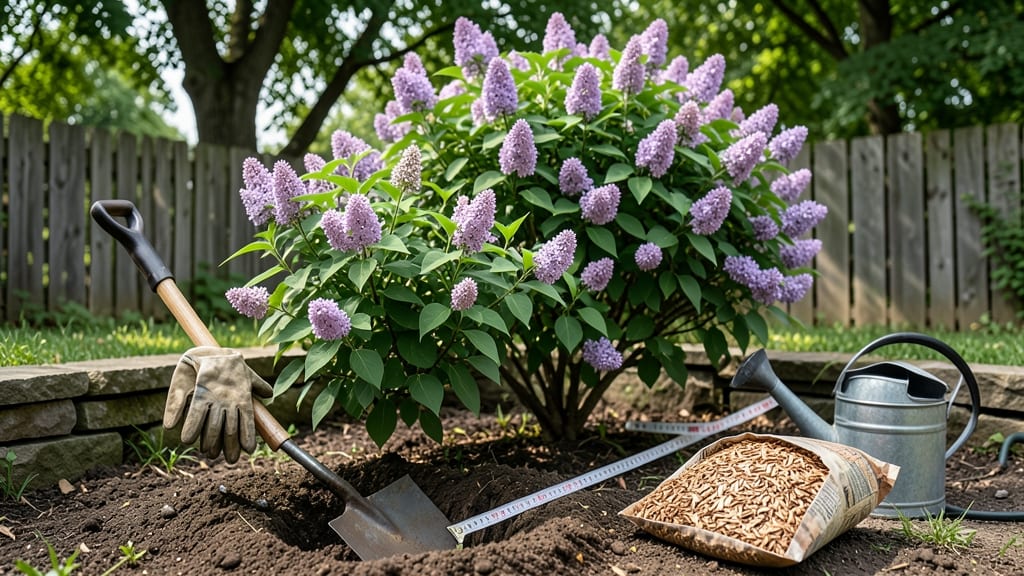
The best place to plant a lilac bush is where it gets full sun—at least 6-8 hours daily—and where its fragrance can drift through open windows. 🌿 I’ve planted mine near my patio, and the intoxicating scent in spring makes every morning feel like a celebration.
Lilacs thrive where they’re seen and smelled, not hidden away in shady corners. Soil matters just as much as sunlight—well-draining, slightly alkaline soil (pH 6.0-7.0) keeps roots happy and prevents rot. Amend heavy clay with compost or sand, and avoid soggy spots.
My first lilac nearly died in a low-lying area until I moved it to a raised bed with better drainage. Once planted, lilacs reward you with vibrant purple, pink, or white blooms for weeks, often returning stronger each year.
They’re tough once established but need room to spread—3-6 feet apart for mature bushes. In colder zones (USDA 3-7), they handle winter well; in hotter areas, afternoon shade helps prevent stress. Avoid planting near large trees (they compete for nutrients) or in windy spots (they can get leggy).
With the right spot, your lilac will become the fragrant centerpiece of your garden for decades. Here’s how to nail it!
📚 In This Guide
- What you need
- Instructions
- Tips and common mistakes
- Wrapping up and next steps
What you need
- ● Lilac bush: Choose a healthy, disease-free plant (1-3 years old) from a local nursery. Opt for Syringa vulgaris or other hardy varieties like Syringa meyeri.
- ● Trowel or shovel: A sturdy garden trowel (for small holes) or a shovel (for larger plants).
- ● Garden gloves: A pair of durable, breathable gloves to protect your hands.
- ● Compost or well-rotted manure: 3-5 gallons (enough to mix with native soil for the planting hole).
- ● Mulch: 2-3 inches of organic mulch (e.g., wood chips, straw, or shredded bark) to retain moisture and suppress weeds.
- ● Watering can or hose with a gentle spray nozzle: For thorough watering after planting.
- ○ Staking materials (optional but helpful): 2-3 bamboo stakes or metal plant supports + soft ties (if planting in windy areas).
- ● Soil test kit: To check pH and nutrient levels (ideal pH for lilacs: 6.0-7.0).
- ● Slow-release fertilizer: A balanced 10-10-10 or phosphorus-heavy 5-10-10 blend to give your lilac a nutrient boost.
- ● Pruning shears: For trimming dead or overgrown branches after planting.
- ● Plant protector: A mesh cage or guard to deter pests (especially for young lilac bushes).
- ● Soil conditioner: Perlite or vermiculite to improve drainage in heavy clay soils.
How to choose the perfect spot for your lilac bush
Here's the method I rely on—tested across seasons, works in any climate.
☀️ Step 1: Locate Full Sun Exposure
Lilacs thrive in 6-8 hours of direct sunlight daily, so scan your yard for the sunniest spots. I always check the south or southwest side of buildings or fences, where morning sun warms the roots and afternoon light fuels blooms. Avoid shady corners—those spots will give you sparse, weak growth and fewer flowers.
Watch your yard for 2-3 weeks to track sun patterns. If a spot gets only 4 hours of sun, your lilac will struggle. You'll know you've found the right location when the ground stays warm to the touch even on cool mornings. Lilacs reward full sun with dense clusters of fragrant blooms—that's the payoff.
🪴 Step 2: Ensure Well-Draining Soil
Lilacs hate soggy roots, so dig a 12-inch deep hole and check the soil. If water pools after 10 minutes, you'll need to improve drainage by mixing in 2-3 inches of compost or sand. I like to add a handful of perlite or coarse sand to the bottom of the hole first—this creates a little drainage layer before the roots settle in.
Ideal soil feels slightly crumbly when squeezed—like a damp sponge that holds together but doesn't stick. If your soil is heavy clay, amend it with 1/3 organic matter. You'll see the difference when the soil drains freely but still holds moisture for roots to access.
🌱 Step 3: Protect From Harsh Winds
While lilacs need airflow, they can't handle constant wind exposure. Look for a spot where they get some protection. A windbreak like a fence, wall, or even a row of shrubs 10-15 feet away. I've planted lilacs next to evergreens or against brick walls—both work well. Watch for flexing stems. If branches sway wildly, they'll break under heavy blooms.
Here's the thing—lilacs planted in open, windy areas often develop smaller flowers. You'll notice the difference in blooms: large, fragrant clusters. That's your reward for choosing a sheltered spot. A little protection goes a long way for these delicate but hardy bushes.
⏰ Step 4: Time Your Planting for Optimal Growth
Plant lilacs in early spring or fall. Avoid extreme heat or frost—both stress the roots. I always plant mine in late April or early October. The soil is warm enough for roots to establish but not so hot that they dry out. If you miss these windows, spring is still better than summer.
You'll know the timing is right when the ground feels cool to the touch in the morning. This signals stable soil temperatures. Planting at the right time means your lilac will have 6-8 weeks to root before summer heat. That's the secret to a strong first season.
🌿 Step 5: Test the Spot for Future Growth
Lilacs mature to 8-12 feet wide. Measure your space and leave 6-8 feet of clearance. I always sketch a rough circle on the ground to visualize the bush's spread. Check for overhead power lines. A lilac's branches can grow 10-15 feet tall. You don't want to plant one too close to your roof or neighbor's fence.
Think long-term. A lilac in the right spot will live for decades. You'll see it become a fragrant centerpiece in your yard, returning every spring with more blooms than the year before. That's the beauty of choosing the perfect location—it sets your lilac up for a lifetime of abundance.
Tips & tricks for perfect lilac placement
Common pitfalls—and how to sidestep every one when planting your fragrant lilac.
Sunlight Strategy: If you're unsure about sun exposure, use a simple trick: place a white plate in the potential spot for a week. If it gets dirty within 24 hours, it's likely a shady area. The 6-8 hours of direct sunlight is non-negotiable for those signature blooms. I've seen lilacs in partial shade survive, but they'll never reach their full potential—think sparse flowers and weak stems. Trust me, the morning sun is your best friend here.
Soil Test Hack: Before digging that 12-inch deep hole, squeeze a handful of soil in your fist. If it stays in a tight ball, you've got clay soil that needs amending. For the best drainage, mix in 1/3 organic matter—I like to use a blend of compost and coarse sand. This creates that perfect balance where water drains freely but still stays available for roots. Pro tip: Add a layer of perlite or small gravel at the bottom of the hole first—it acts like a natural drainage layer.
Wind Protection Plan: When evaluating wind exposure, think about the lilac's future height. Those 10-15 feet tall branches can't handle constant swaying. I've planted mine near evergreen trees or against brick walls—both create natural windbreaks. Even a simple wooden fence 10-15 feet away can make a difference. Watch for stems that flex too much in a breeze—this is your warning sign that flowers will be smaller and less abundant.
Seasonal Timing Tip: The 6-8 weeks before summer heat is crucial for root establishment. If you're planting in late spring when this window is closing, water deeply every 3-4 days to help roots grow before the heat sets in. I've had clients plant in summer and wonder why their lilacs struggled—they missed that critical root-building period. Fall planting gives you the full window, but spring works too if you're proactive about watering.
Pro Tips for Best Place To Plant Lilac Bush
- Common pitfalls—and how to sidestep every one when planting your fragrant lilac.
- Sunlight Strategy: If you're unsure about sun exposure, use a simple trick: place a white plate in the potential spot...
- Soil Test Hack: Before digging that 12-inch deep hole, squeeze a handful of soil in your fist. If it stays in a tight...
Frequently asked questions
Got questions about planting your lilac bush? You’re not alone! Here are some of the most common queries—plus straightforward answers to help you grow a thriving, fragrant hedge.
What’s the ideal sunlight exposure for a lilac bush?
Lilacs love sunlight! Plant them in a spot with at least 6 hours of direct sun daily. While they tolerate partial shade, full sun ensures the most vibrant blooms and robust growth. Avoid deep shade—it can lead to leggy stems and fewer flowers.
When is the best time to plant a lilac bush?
The ideal times are early spring (after the last frost) or early fall (4–6 weeks before the first frost). These windows give roots time to establish before extreme heat or cold. Avoid planting in summer’s scorching heat or winter’s frozen ground.
Can I plant a lilac bush in a container or just in the ground?
While lilacs prefer ground planting (they’re deep-rooted), you can grow them in large containers (at least 18–24 inches wide/deep) if you live in a small space or harsh climate. Use well-draining soil and repot every 2–3 years. Just know: container lilacs may bloom less abundantly than in-ground plants.
Why aren’t my lilac leaves turning purple, and how do I fix it?
Purple leaves (or anthocyanin) are normal in cool weather or young growth, but if your lilac’s leaves stay green, it might need more sun or cooler temps. Check soil pH too—lilacs prefer 6.0–7.0. If pests like aphids are sucking sap, hose them off or use neem oil.
What’s the closest I can plant a lilac bush to my house or fence?
Keep lilacs 3–5 feet away from structures to avoid root competition and make pruning easier. Their roots spread widely, so avoid planting near septic tanks or underground utilities. For fences, maintain at least 2–3 feet of clearance to prevent overcrowding.
Wrapping up and next steps
Choosing the perfect spot for your lilac bush sets the stage for years of fragrant blooms and lush growth! 🌸 Remember, prioritize full sun (6+ hours daily) and well-draining soil—whether it’s a sunny border, a cottage garden, or even a container on a patio.
With the right care, your lilac will thrive, rewarding you with vibrant colors and intoxicating scents.
Now that you’re armed with the best practices, roll up your sleeves and pick that ideal location! Grab your gardening tools, and let’s get planting—your future fragrant haven awaits. 🌱