
Plants
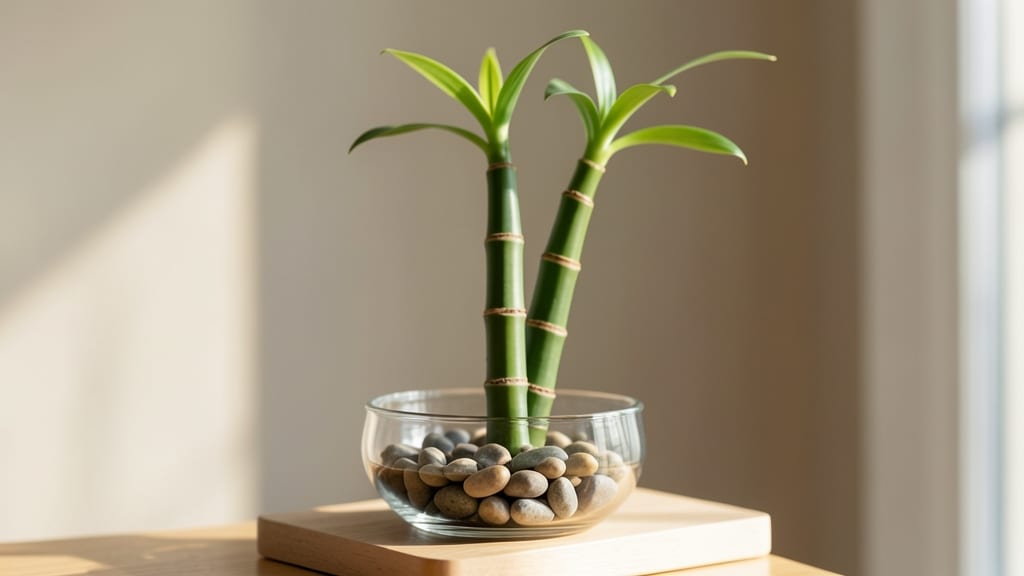
Fast-growing privacy screens don’t have to mean invasive bamboo. 🌿 I’ve spent years testing bamboo-like bushes that deliver the same sleek, vertical look without the underground spread—plants like Nandina and Fatsia that grow 12-24 inches per year while staying perfectly contained.
These plants thrive in partial shade, need minimal pruning, and handle urban soil better than true bamboo. The key is choosing clumping varieties (like Dracaena sanderiana) that grow in tight clusters instead of sending out runners.
Most gardeners overlook how much easier these alternatives are to maintain—no digging up roots or fighting spread.
By late summer, you’ll have a lush, 6-foot-tall screen that feels like bamboo but stays where you plant it. The foliage stays vibrant all season, and the stems develop that same elegant, woody texture without the hassle. Perfect for small yards, patios, or even container growing.
Here’s how to pick the right plant for your space, plus care tips that keep them looking effortless. No more bamboo regrets—just instant privacy with zero guilt.
Root Causes Behind Bushy Growth
Understanding why your plants develop a bamboo-like bush appearance—tall, dense, and woody—starts with the science behind their growth habits. While some plants naturally lean toward this structure, others may adopt it due to environmental or cultural factors. Let’s break down the key reasons, so you can address them with confidence.
Some plants are genetically predisposed to grow in a bamboo-like bush structure.
These species often belong to the woody shrub or bamboo family, where: - Rhizomatous roots (like those in bamboo) spread horizontally, producing multiple stems from a single root system. - Clonal propagation allows stems to regenerate quickly, creating dense clusters. - Fast vertical growth is paired with lateral branching, resulting in a thicket-like appearance.
Actionable Tip: 💡 If you’re growing a known woody or bamboo-like plant (e.g., Fargesia bamboo, Bambusa, or Arundinaria), embrace its natural form! Prune strategically to manage height and spread rather than fighting the growth pattern.
When stems aren’t pruned regularly, they compete for sunlight, water, and nutrients, leading to:
- Thick, tangled growth as older stems harden and younger shoots struggle to emerge cleanly.
- Weak basal shoots that get shaded out, forcing new growth upward in a chaotic, bamboo-like tangle.
- Succession of culms (stems) in bamboo, where older stems die back while new ones shoot up rapidly.
Actionable Tip: ✂️ Prune in late winter or early spring before new growth starts. Cut back old stems at the base to encourage stronger, straighter regrowth. For bamboo, remove 10-20% of the oldest culms annually to prevent overcrowding.
Excessive moisture or poor drainage can trigger lush but unstructured growth, mimicking a bamboo-like bush:
- Overwatering leads to soft, weak stems that flop and tangle, while underwatering stresses plants into producing hard, woody growth.
- High nitrogen fertilizers promote rapid leafy growth but can weaken stem structure, causing stems to lean or split.
- Phosphorus or potassium deficiencies may result in brittle, uneven growth patterns.
Actionable Tip: 💧 Test your soil and adjust watering to keep it moist but not soggy. Use a balanced fertilizer (10-10-10 or 20-20-20) and avoid heavy nitrogen in late summer to encourage stronger stems.
Plants forced to grow in shade or tight spaces often develop:
- Elongated, weak stems reaching for light, creating a "bamboo-like" sprawl.
- Thick, gnarled bases as stems rub against each other or barriers (like fences or walls).
- Stunted lateral growth due to competition for sunlight, leading to a single dominant stem with sparse branches.
Actionable Tip: 🌿 Thin out competing plants and ensure your bush has 6+ feet of space for airflow and light. If growing in shade, choose tolerant species (e.g., Dracaena or Schefflera) or supplement with grow lights for even growth.
Compacted, rocky, or improperly amended soil can restrict root development, causing:
- Shallow, wide root systems that produce multiple stems close to the surface.
- Poor nutrient uptake, leading to erratic growth spurts and woody thickening.
- Alkaline or acidic extremes that stress plants, triggering defensive growth patterns.
Actionable Tip: 🔄 Amend soil with compost and ensure good drainage. Aim for a pH of 6.0–7.0 (slightly acidic to neutral) for most woody plants. For bamboo, sandy loam works best to prevent root-bound growth.
Infestations or infections can alter growth patterns, making plants appear bamboo-like due to:
- Bamboo borers or beetles weakening stems, causing them to split or grow unevenly.
- Fungal diseases (e.g., root rot) leading to stunted, woody regrowth.
- Viral infections disrupting normal cell division, resulting in thick, gnarled stems.
Actionable Tip: 🛡️ Inspect plants regularly for chewed stems or discoloration. Treat with neem oil or systemic fungicides if needed, and remove infected stems immediately to prevent spread.
How a plant is propagated can influence its structure:
- Division of rhizomes (common in bamboo) often produces multiple stems from a single clump.
- Layering or cuttings may result in uneven growth if not rooted properly.
- Seed-grown plants sometimes develop weaker, less uniform stems compared to cloned varieties.
Actionable Tip: 🌱 Use healthy, established cuttings for propagation. For bamboo, divide mature clumps every 2–3 years to maintain vigor and prevent overcrowding.
Fixing Overgrowth & Bushy Problems
If your fast-growing bamboo-like bush is becoming unruly—whether it’s spreading too aggressively, losing shape, or looking patchy—don’t panic! With the right approach, you can tame it, restore its health, and keep it looking lush without the fuss.
Below are practical, step-by-step solutions tailored to common issues, plus prevention tips to avoid future headaches.
Cause: Some bamboo-like bushes (like Bambusa or Arundinaria) are rhizomatous, meaning they spread via underground runners. If left unchecked, they can overtake gardens or even crack pavement.
Fix It:
- 🔥 Prune Strategically
- Cut back overgrown canes in late winter or early spring (before new growth starts).
- Use clean, sharp pruners to slice canes at ground level—this prevents splintering and disease.
- For clumping varieties, remove suckers (new shoots) that appear outside the desired area.
- 👨🍳 Install Physical Barriers
- Bury a root barrier (like corrugated metal or plastic) 1–2 feet deep around the plant’s perimeter to block rhizomes.
- For established spreads, dig up aggressive runners and dispose of them (don’t compost—rhizomes can regrow!).
- ⏰ Divide & Conquer
- Every 2–3 years, dig up the bush and separate the clumps using a shovel.
- Replant the best sections in a contained area (like a pot or a new section of the garden).
💡 Pro Tip: If your bush is in a container, trim rhizomes that escape the pot’s edges and repot in larger, deeper containers to slow spread.
Cause: Over-pruning, poor soil, or pests (like spider mites or scale insects) can leave your bush looking sparse or yellowed.
Fix It:
- 🌡️ Refresh the Soil
- Test soil pH (ideal: 5.5–7.0 for most bamboo-like bushes). Amend with:
- Compost (for nutrients)
- Sand (if soil is too clay-heavy)
- Sulfur (if pH is too high)
- Mulch with 2–3 inches of organic mulch (like pine straw) to retain moisture and suppress weeds.
- Test soil pH (ideal: 5.5–7.0 for most bamboo-like bushes). Amend with:
- 🎯 Prune for Shape & Health
- Remove dead or diseased canes (they’ll look brown, hollow, or mushy).
- Thin out crowded stems to improve airflow—this reduces fungal risks.
- Shear lightly in spring to encourage bushier growth (avoid heavy trimming in fall).
- 💪 Fertilize Smartly
- Use a balanced, slow-release fertilizer (like 10-10-10) in early spring.
- For leafy greens, add nitrogen-rich fertilizer (like blood meal) mid-summer.
- Avoid over-fertilizing—this can lead to weak, floppy canes.
✨ Quick Fix: Spray leaves with neem oil (1 tsp per quart of water) if you spot pests or fungal spots.
Cause: Thin, leggy canes often result from too much shade, poor support, or weak soil.
Fix It:
- 🔪 Provide Support
- Install bamboo stakes or a trellis to train canes upright.
- For large bushes, use flexible wire cages to guide growth.
- 🍳 Optimize Light & Water
- Ensure 6+ hours of sunlight daily (most bamboo-like bushes thrive in partial sun).
- Water deeply 1–2 times per week (drought stress weakens stems).
- Avoid overwatering—soggy soil causes rot.
- 🥗 Boost Stem Strength
- Mix kelp meal (natural growth hormone) into soil to thicken canes.
- Apply a slow-release fertilizer in early spring for stronger root development.
- 🌱 Choose the Right Variety: Opt for clumping bamboo (like Fargesia) if you want minimal spread.
- 📅 Prune Regularly: A light trim 2–3 times a year keeps growth manageable.
- 🚫 Monitor for Pests: Check undersides of leaves for spider mites or aphids—treat early with soapy water or insecticidal soap.
- 🌿 Rotate Mulch: Refresh mulch annually to prevent compaction and improve drainage.
With these targeted fixes, your bamboo-like bush will stay dense, healthy, and under control—giving you that privacy screen perfection with almost no effort! 🌿✨
Frequently asked questions
What are the best bamboo-like bushes for small yards?
For tight spaces, try Nandina domestica (heavenly bamboo) or Fatsia japonica (Japanese aralia). Both grow 3-6 feet tall with minimal spread and thrive in partial shade. Another great option is Dracaena sanderiana (lucky bamboo), which grows in clumps and stays compact.
How do I stop my bamboo-like bush from spreading?
For clumping varieties, simply remove suckers (new shoots) as they appear. Install a 1-2 foot deep root barrier if you have running types. Dig up any escaped rhizomes immediately to prevent regrowth. Regular pruning also helps maintain shape.
Can I grow bamboo-like bushes in containers?
Yes! Many varieties like Fargesia bamboo or Dracaena thrive in pots. Use containers at least 12 inches deep with drainage holes. Repot every 2-3 years and trim rhizomes that escape the pot's edges. Choose fast-draining soil mixes to prevent root rot.
What's the difference between clumping and running bamboo?
Clumping types (like Fargesia) grow in tight groups with minimal spread, while running types (like Phyllostachys) send out aggressive underground runners. Clumping is ideal for small spaces - it stays contained naturally, while running varieties need barriers to prevent invasion.
How much sunlight do bamboo-like bushes need?
Most varieties prefer partial shade (4-6 hours of sunlight daily), but some like Nandina tolerate full shade. Avoid full sun in hot climates - it can scorch leaves. For best results, plant in areas with morning sun and afternoon shade.