
Pests
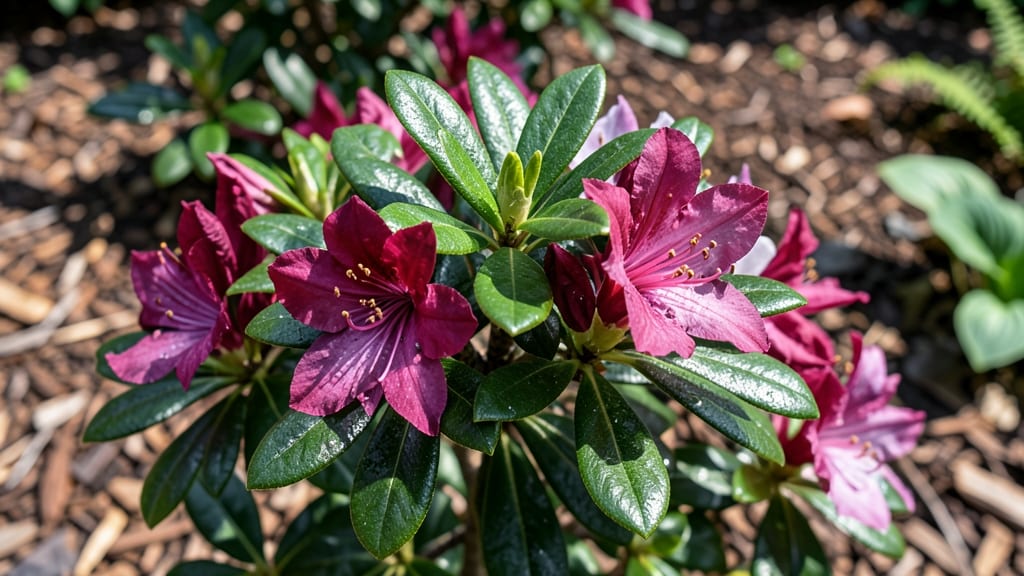
Deer-resistant azalea bush varieties like Knock Out®, Encore®, and Formosa naturally deter browsing through their strong fragrance, fuzzy foliage, and bitter-tasting leaves. Strategic placement in sunny areas and pairing with repellent plants further boosts protection.
Deer typically avoid the azalea bush because their chemical defenses—like bitter alkaloids—make them unpalatable, while their aromatic oils can even irritate sensitive noses. 🌿 The Knock Out® series stands out for its compact growth and year-round interest, while Encore® varieties bloom later in the season, offering extended protection.
For maximum effectiveness, combine these with deer-repellent companions like boxwoods or lavender, creating a multi-layered defense system that works year-round.
These varieties thrive in USDA zones 6-9, making them versatile for most gardens. The key is to plant them where deer frequent but avoid overcrowding—3-5 feet apart ensures they develop strong root systems that further deter digging.
Pairing with spiky plants like holly or strongly scented herbs like rosemary creates a natural barrier that amplifies their protective qualities.
💡 In This Article
- Why Certain Azalea Varieties Repel Deer
- Top 5 Deer-Resistant Azalea Varieties for Landscaping
Why certain azalea varieties repel deer
Deer avoid specific azalea varieties primarily due to their chemical defenses and physical traits. Many azaleas produce bitter alkaloids like grayanotoxins, which are toxic to deer in small doses.
These compounds create a foul taste that deer quickly learn to avoid after just one bite. 🌿 For example, the Formosa azalea contains higher concentrations of these bitter compounds compared to milder varieties, making it a top choice for deer-prone areas.
The leaves also often have a fuzzy or waxy texture, which feels unappealing to deer's sensitive mouths.
Another key factor is aromatic oils found in many azalea varieties. Strong fragrances—like those in Knock Out® azaleas—contain volatile organic compounds that can irritate a deer's olfactory system.
Deer rely heavily on scent to identify safe food sources, so plants with intense aromas (like citrus-scented azaleas) act as natural deterrents. 🌸 The Encore® series, for instance, often carries a subtle but noticeable sweet fragrance that deer instinctively avoid.
Even the physical structure of the plant matters: dense, thorny growth (common in some azalea species) makes browsing difficult and uncomfortable.
Deer behavior plays a crucial role in plant selection. These animals are opportunistic feeders—they'll target the easiest, most palatable plants first.
Azaleas that combine bitter compounds, strong scents, and tough foliage create a multi-layered defense that makes them low-priority snacks. 🦌 Unlike deer-resistant plants that rely on a single trait (like thorns in holly), azaleas use a combination of chemical and physical deterrents, making them far more effective.
This is why varieties like Rhododendron 'Girard's Pink'—with its fuzzy leaves and strong aroma—remain untouched even in high-traffic deer areas.
Comparing azaleas to other deer-resistant shrubs reveals their unique advantages.
While boxwoods deter deer primarily through their dense, prickly leaves, azaleas offer year-round protection due to their evergreen nature in many varieties. 🌲 The Knock Out® series, for example, maintains its foliage and fragrance throughout all seasons, unlike deciduous options that lose their deterrent qualities in winter.
This makes azaleas particularly valuable in regions with cold winters, where deer face limited food options and may target softer plants.
Light exposure also influences deer resistance.
Azaleas planted in full sun (6+ hours daily) develop stronger chemical defenses because sunlight boosts their production of secondary metabolites—the compounds that make them unpalatable. 🌞 In shaded areas, these plants may grow more slowly and produce fewer deterrent compounds, making them slightly more vulnerable.
This is why gardeners in deer-heavy areas often place azaleas in sunny borders where deer are most active, creating a natural barrier that's both beautiful and functional.
For maximum effectiveness, pair azaleas with companion plants that amplify their deterrent qualities. Strongly scented herbs like rosemary or lavender confuse deer's senses, while spiky plants like barberry create physical obstacles.
This multi-species approach mimics natural ecosystems, where diverse plant communities offer better protection against herbivores. 🌿 The result is a garden that's not just deer-resistant, but also visually striking and ecologically balanced.