
Pruning
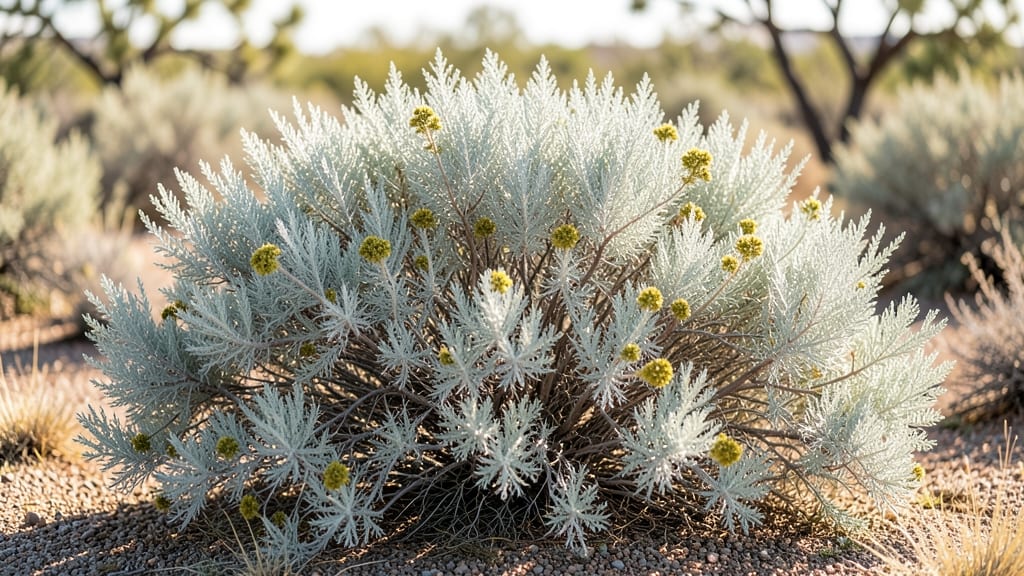
Pruning Arizona sage bush transforms it from scraggly to showstopping—especially when you time it right for that deer-resistant, drought-proof look. 🌵 I’ve watched mine go from sparse to lush by following a simple seasonal trim schedule, and the best part?
It’s foolproof once you know the right cuts. This hardy native thrives in Arizona’s heat with almost no fuss—just full sun, well-draining soil, and a pruning plan that keeps it compact and bushy.
The key is cutting back in late winter or early spring, right before new growth starts, to encourage dense foliage that deer won’t touch. You’ll end up with a fragrant, silvery-green bush that stays healthy through 110°F summers and only needs water every 2-3 weeks.
The pruned shape also makes it easier to spot pests early, so you can tackle them before they spread. Perfect for desert landscapes, rock gardens, or as a low-maintenance hedge. Here’s how to keep yours thriving year after year.
📚 In This Guide
- What you need
- Instructions
- Tips and common mistakes
- Wrapping up and next steps
What you need
- ● Pruning shears or loppers: Sharp, bypass-style shears (for small branches) or loppers (for thicker stems). Pro tip: Sanitize with rubbing alcohol before and after use to prevent disease spread! 💡
- ● Gloves: Heavy-duty, gardening gloves (nitrile-coated for durability) to protect against thorns and sap.
- ● Pruning saw: A folding pruning saw for stubborn, woody branches (20-24 inches long).
- ● Disposable pruning bags or bucket: A 5-gallon bucket or mesh bags to collect clippings (deer love fresh sage—remove debris promptly!).
- ● Rake or leaf blower: For clearing fallen needles and debris from the base.
- ● Watering can or hose: A 1-gallon watering can with a fine rose nozzle for post-pruning hydration.
- ○ Pruning sealant (optional but helpful): A tree wound sealant (like Tanglefoot) for cuts larger than ½ inch to prevent disease.
- ● Ladder or step stool: If your sage bush is taller than 5 feet, a lightweight aluminum ladder (4-6 feet) works great.
- ● Handheld leaf blower: For quick cleanup of fine debris after pruning.
- ● Safety glasses: To shield eyes from flying debris or sap.
- ● Labeling tags: Small plastic plant tags to mark pruned sections if you’re experimenting with growth patterns.
- ● Deer repellent spray: A natural deer deterrent (like hot pepper spray) to apply post-pruning if deer are a recurring issue.
Instructions for pruning Arizona sage bushes
Here's my seasonal schedule for keeping your Arizona sage bush healthy and deer-resistant.
✂️ Step 1: Prune Lightly in Early Spring
As soon as new growth appears—usually in late February to early March—start by removing any dead or damaged branches first. I look for brown, brittle stems that snap easily when bent. Cut these back to the nearest healthy growth point using clean, sharp pruners. This prevents disease from spreading through the plant.
Next, trim back any overgrown branches by about one-third of their length. You'll notice the sage has a silvery-blue foliage that grows in clusters. Focus on opening up the center of the bush to improve airflow and sunlight penetration. This early pruning encourages denser, bushier growth later in the season.
☀️ Step 2: Shape and Thin in Late Spring
By mid-April to May, your sage should be actively growing. This is when I do most of my shaping. Step back and look at the bush as a whole—you want to maintain its natural, rounded shape. Use your pruners to trim any branches that are growing too close together or crossing each other.
For a more deer-resistant look, I keep the bush slightly taller than surrounding plants. Deer tend to avoid taller shrubs, so aim for a height of 3-4 feet. Cut just above a leaf node or side branch to encourage new growth. Avoid cutting into old wood, as sage doesn't regrow well from there.
✂️ Step 3: Light Maintenance in Summer
During the summer months (June-August), focus on minimal pruning. Remove only any branches that look leggy or overly crowded. Sage grows slowly in the heat, so you won’t need to do much. I usually just trim back any new growth that’s getting too long or scraggly.
Watch for signs of stress like yellowing leaves or wilting. If you see this, it’s often a sign of overwatering. Sage is drought-tolerant, so only water deeply once every 2-3 weeks unless you’re in an extreme heatwave. Prune lightly to remove any dead or diseased leaves, but avoid heavy trimming during this time.
🌿 Step 4: Clean Up in Fall
As temperatures cool in September and October, do a final light pruning to tidy up the bush. Remove any dead, diseased, or weak branches first. Then, trim back any overgrown areas by about 10-15% to maintain its shape. This keeps the bush looking neat without stressing it before winter.
I also rake up and dispose of any fallen leaves or debris around the base of the plant. This helps prevent pests and diseases from overwintering. Sage is evergreen in most of Arizona, so it won’t lose all its leaves, but a little cleanup goes a long way for next year’s growth.
⏰ Step 5: Avoid Winter Pruning
Leave your Arizona sage bush alone during the winter months (November-February). Pruning in winter can stimulate new growth that won’t survive the cold. Instead, focus on keeping the area around the bush clear of weeds and debris. If you notice any branches that died over winter, you can trim those back in early spring.
This seasonal approach keeps your sage bush healthy, deer-resistant, and looking its best year-round. The key is to prune lightly and only when the plant is actively growing. Over-pruning can stress the bush and reduce its natural deer-deterrent qualities.
Tips & tricks for pruning Arizona sage bushes
Arizona sage bushes thrive when pruned with intention—here’s how to avoid common mistakes and maximize deer resistance.
Timing is Everything: In Step 1, when you’re pruning in late February to early March, wait until you see those first tender green shoots. Cold snaps can still occur, so avoid cutting back too early—you don’t want to encourage new growth that might get damaged by late winter frosts. I’ve learned this the hard way after seeing new shoots freeze in March!
Tool Prep Matters: Before you start shaping in Step 2, take 5 minutes to sharpen your pruners and sterilize them with rubbing alcohol. Dull blades tear branches instead of making clean cuts, which can invite disease. I keep a small bottle of alcohol in my gardening toolkit specifically for this purpose—it’s a game-changer for plant health.
Deer-Resistance Hack: When aiming for that 3-4 foot height in Step 2, focus on creating a layered look rather than just height. Deer are less likely to browse through dense foliage, so trim to create multiple levels of growth. Think of it like building a fortress—the more complex the structure, the harder it is for deer to access the tasty leaves.
Summer Stress Signals: During Step 3’s minimal maintenance, watch for yellowing leaves as your first sign of overwatering. Sage is incredibly drought-tolerant, so if you’re watering more than once every 2-3 weeks, you’re probably overdoing it. I’ve seen sage bushes completely recover from wilting after just one deep watering—sometimes less is truly more.
Pro Tips for Arizona Sage Bush
- Arizona sage bushes thrive when pruned with intention—here’s how to avoid common mistakes and maximize deer resistance.
- Timing is Everything: In Step 1, when you’re pruning in late February to early March, wait until you see those first tender green shoots.
- Tool Prep Matters: Before you start shaping in Step 2, take 5 minutes to sharpen your pruners and sterilize them with rubbing alcohol.
Frequently asked questions
When is the best time to prune Arizona sage bush?
The ideal time to prune is late winter or early spring (February–March) before new growth begins. Avoid pruning in fall or summer, as this can stress the plant or attract pests. A light trim after flowering (summer) helps maintain shape but isn’t essential.
How much can I cut back without harming the plant?
You can safely remove up to one-third of the plant’s height in a single pruning session. Arizona sage is resilient—focus on thinning dense areas and removing dead or crossing branches. Avoid over-pruning, which may reduce flowering or attract deer seeking tender new growth.
Will pruning attract deer or other wildlife?
Pruning can make your sage bush more appealing to deer if you cut too aggressively, exposing fresh, tender shoots. To deter them, prune lightly and avoid creating large open areas. Pair with deer-resistant companion plants like Russian sage or lavender for added protection.
What if my sage bush isn’t recovering after pruning?
If your plant looks stressed (yellowing leaves, stunted growth), it may need time to heal or adjustments. Ensure it’s in full sun, well-drained soil, and watered deeply but infrequently. Avoid fertilizing—sage thrives in lean conditions. If issues persist, check for pests (like spider mites) or root rot.
Can I use the pruned branches for anything?
Dry the branches to use as natural potpourri or rustic decor. The fragrant leaves repel insects and add a desert-scented touch to wreaths or centerpieces. Just bundle and hang them upside down in a dry, airy spot for 2–3 weeks.
Wrapping up and next steps
The Arizona sage bush thrives with the right seasonal care—whether you're trimming for health, deer resistance, or aesthetics, timing and technique make all the difference! 🌿 By following this seasonal pruning calendar, you’ll encourage lush, resilient growth while keeping unwanted critters at bay.
Ready to transform your landscape? Grab your pruners and start with one small section at a time—your sage bush (and local wildlife!) will thank you.
Next step: Mark your calendar for spring’s light shaping and fall’s cleanup, then enjoy the rewards of a hardy, deer-resistant beauty year-round!