
Pests
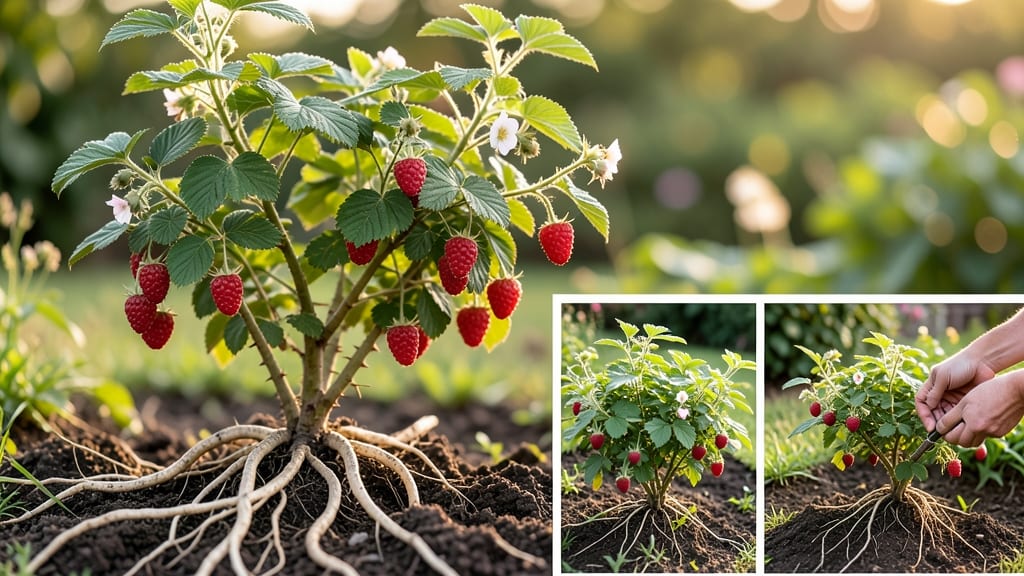
Raspberry bushes aren't invasive by nature, but they can rapidly spread through suckers and runners if left unmanaged, creating dense thickets that overtake garden spaces. Strategic pruning and root barriers are key to keeping them contained.
Raspberry bushes spread primarily through underground stems called suckers and above-ground runners, which can extend up to 10 feet from the parent plant. 🌱 Unlike true invasive species like blackberries, they don't have persistent seed banks or aggressive root systems—but their rapid growth can still crowd out other plants if not controlled.
The good news? With proper pruning (cutting back canes after harvest) and barriers (like buried plastic or metal edging), you can maintain a productive patch without losing control.
What sets raspberries apart is their perennial growth habit: they regenerate yearly from the same root system, making them more manageable than annual weeds. Many gardeners intentionally plant them in contained areas or use mulch rings to direct their spread.
The key is balance—raspberries thrive when given space to grow, but their natural spread can be redirected with the right techniques.
💡 In This Article
- How Raspberry Bushes Spread in Gardens
- Controlling Raspberry Bush Growth: Best Practices
How raspberry bushes spread in gardens
The primary way raspberry bushes spread is through underground suckers—thick, woody stems that emerge from the parent plant's root system. These suckers can grow up to 3-6 feet per year if unchecked, forming dense clusters that smother nearby plants.
Unlike aggressive invaders like blackberries, raspberries don't produce persistent seed banks, but their suckers create a natural "colony" effect that can quickly dominate garden beds.
Above ground, raspberries send out runners—long, flexible stems that root at nodes when they touch soil. A single mature plant can produce 50-100 feet of runners in ideal conditions, each capable of forming a new plant.
The key difference from true invasive species is that raspberry runners are not perennial—they die back after one season unless they've rooted. This makes them easier to control than plants like mint or bamboo, which spread through persistent underground rhizomes.
Raspberry canes also produce seed-laden fruit, but these seeds rarely germinate in garden conditions unless birds or animals disperse them.
The real spread occurs through those suckers and runners, which is why gardeners often see raspberry patches expand in circular patterns—each new sucker grows outward from the original plant's root system. 🌱 This growth habit explains why raspberries can transform a small planting into a thicket within just 2-3 years if left unmanaged.
The spread rate varies by variety—summer-bearing types (like Heritage) produce more vigorous suckers than everbearing varieties (like Caroline). Soil fertility also plays a role: rich, moist soil encourages faster sucker growth, while poor soil slows expansion.
This is why many gardeners plant raspberries in raised beds or contained areas—it gives them the space to grow while preventing them from overtaking the entire garden.
What makes raspberries different from truly invasive plants is their predictable growth pattern. Unlike blackberries (which have barbed canes and persistent roots) or Japanese knotweed (which spreads through deep rhizomes), raspberries respond well to mechanical control methods.
Their suckers and runners are surface-level, making them easier to cut or contain with barriers. This predictable behavior is why many gardeners intentionally plant raspberries—they're controllable when managed properly.
Consider this comparison: A single raspberry plant can produce 20-30 new suckers per year, while a blackberry plant might send out 50+ canes with barbed tips that snag on everything.
The raspberry's spread is more about opportunistic growth than aggressive conquest—it's why they thrive in disturbed soil or garden edges where other plants can't compete. 🌿