
Blooming
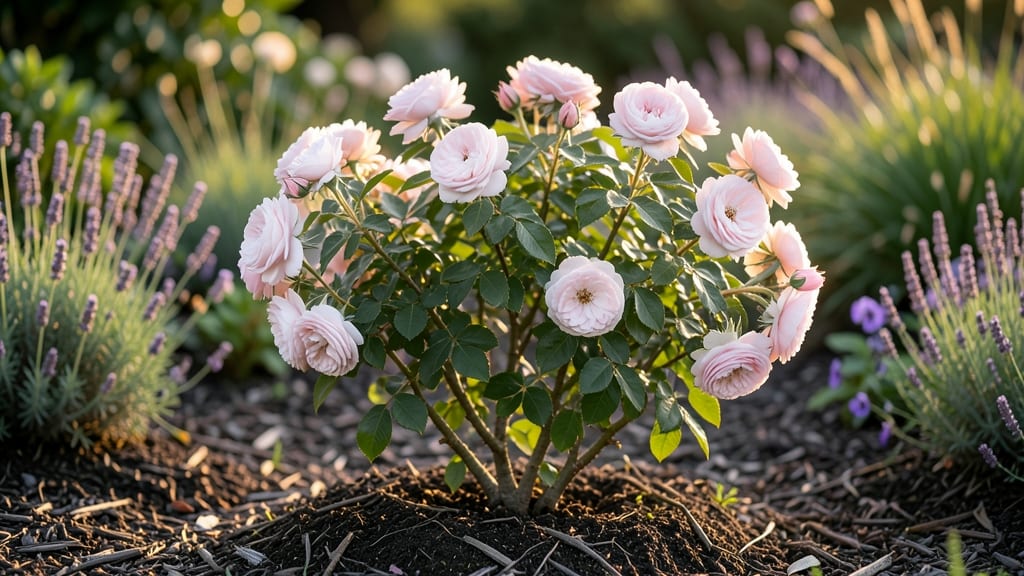
An apple blossom rose bush turns your garden into a springtime dream—fragrant clouds of pink and white that smell like orchards in bloom. 🌸 I’ve watched this rose transform my yard from pretty to unforgettable, with its delicate petals mimicking nature’s own apple blossoms and lasting from early summer through frost.
The secret isn’t complicated: four strategic trims keep it lush and blooming, while its natural shape creates a romantic focal point that pairs perfectly with cottage-style gardens, perennial borders, or even a simple front-yard planting. The fragrance alone—sweet, floral, with a hint of apple—makes it worth the space.
You’ll end up with a bush that’s neighbor-jealousy levels of pretty, its branches heavy with blooms from June until fall’s first chill. Pair it with lavender for contrast or columbines for a wildflower effect, and you’ve got a garden that feels like a storybook.
Works in full sun or partial shade, thrives in most climates, and even beginners can master the simple trimming routine. Let’s make your garden smell like spring all season long.
📚 In This Guide
- What you need
- Instructions
- Tips and common mistakes
- Wrapping up and next steps
What you need
- ● Apple Blossom Rose Bush: 1 bare-root rose bush (dormant, ideal for fall/winter planting) OR
- ● 1 potted rose bush (spring/summer planting)
- ● Planting Site: Full sun location (minimum 6–8 hours of direct sunlight daily)
- ● Well-draining soil (amend with compost if needed)
- ● Soil Amendments: 5 lbs balanced rose fertilizer (10-10-10 or similar)
- ● 2–3 lbs organic compost (for nutrient-rich soil)
- ● 1 cup bone meal (for root development)
- ● Tools: 1 pair bypass pruners (sharp, clean)
- ● 1 hand trowel or spade
- ● 1 watering can (or hose with gentle nozzle)
- ● 1 measuring tape (for spacing)
- ● 1 mulch (2–3 inches of shredded bark or pine straw)
- ● 1 rose collar protector (to prevent soil splatter on stems)
- ● 1 slow-release fertilizer spikes (for seasonal feeding)
- ● 1 plant support stake (if bush grows tall)
- ● 1 spray bottle (for misting new growth)
Instructions for pruning your apple blossom rose bush
Here's the straightforward method I use to keep my roses blooming abundantly while maintaining their signature apple-scented charm.
✂️ Step 1: Late Winter Cleanup (Before Bud Swell)
Start your pruning in late winter, just as the days lengthen but before the buds begin to swell—typically February or early March in most climates. This is when the plant is dormant, making it the safest time to remove dead or weak growth. I always begin by removing any dead, diseased, or crossing branches first. These are easy to spot—they'll be brown, mushy, or growing inward toward the center of the bush.
Use sharp, clean pruning shears to make cuts at a 45-degree angle, about ¼ inch above an outward-facing bud. This angle helps water run off the cut and prevents rot. If you see any canes that are thinner than a pencil or have no buds, snip them off completely at the base. Real talk: this step might seem harsh, but it's what makes your rose bush stronger and more productive later in the season.
✂️ Step 2: Structural Pruning (Early Spring)
Once the buds begin to swell—usually 4-6 weeks after your first pruning—it's time to shape the bush. Focus on creating an open center by removing any branches that grow inward or cross over others. This improves air circulation, which is crucial for preventing fungal diseases like black spot. I like to step back every few cuts to visualize the shape—aim for a vase-like form with branches spaced evenly around the bush.
Shorten the remaining branches by about ⅓ of their length, cutting just above an outward-facing bud. This encourages bushier growth and more blooms. For older canes, you can remove up to ⅓ of the oldest wood to make room for new growth. Don't worry if it looks a little rough at first—your rose bush will fill in beautifully as the season progresses.
✂️ Step 3: Summer Deadheading and Light Maintenance
Throughout the growing season, you'll want to deadhead spent blooms regularly to encourage continuous flowering. As soon as a bloom fades, pinch or cut it off just above the first set of healthy leaves below the flower. This prevents the plant from wasting energy on seed production and redirects it toward new blooms. I do this every 2-3 days during peak bloom time—it only takes a few minutes but makes a huge difference in keeping your rose bush looking fresh.
While deadheading, keep an eye out for any suckers—those are the unwanted shoots that grow from the base of the bush. Remove them immediately to prevent them from draining energy from your main plant. Also, trim back any leggy growth that appears between blooms. This keeps your rose bush compact and encourages a fuller shape.
✂️ Step 4: Fall Preparation (After First Frost)
After the first frost, when the foliage has turned brown and fallen, it's time for your final pruning of the year. Remove any remaining dead or diseased wood, as well as any branches that haven't produced blooms. This helps prevent pests and diseases from overwintering in the plant. I also like to shorten any remaining canes by about ⅓ to prepare the plant for dormancy and to make next year's pruning easier.
Leave the pruned branches on the ground around the base of the plant—they'll provide some winter protection and mulch. Apply a 3-inch layer of mulch around the base of the bush, but keep it a few inches away from the stem to prevent rot. This helps insulate the roots during cold winter months. Here's the thing—this final pruning might seem like less work, but it sets the stage for a healthier, more productive rose bush next spring.
Tips & tricks for pruning your apple blossom rose bush
Here's what nobody tells you about keeping your roses thriving—these are the insights I wish I'd known when I first started pruning.
Tool Prep: Before you even touch your rose bush, take 5 minutes to clean and sharpen your pruning shears. A dull blade crushes stems instead of making clean cuts, which stresses the plant. I use a small file to sharpen the blades and wipe them down with rubbing alcohol between cuts to prevent disease spread. This might seem like overkill, but trust me—your roses will thank you with healthier growth and more abundant blooms.
Bud Orientation Matters: When making cuts in Step 1 and Step 2, pay close attention to the direction of the outward-facing bud. The top of the bud should face the outside of the bush—this ensures new growth will extend outward, creating that beautiful vase shape we're aiming for. I like to visualize an imaginary line from the bud to the edge of the plant. If you're unsure, err on the side of cutting slightly higher than you think you need to.
Seasonal Timing Secret: The 4-6 week window between your first pruning and structural pruning (Step 1 to Step 2) is crucial. In colder climates, this might mean waiting until late March or even April. Watch for those first signs of bud swell—tiny green bumps along the canes—and that's your cue to start shaping. I keep a small notebook by my roses to track when buds first appear each year, so I don't miss this critical window.
Mulch Placement Tip: When applying that 3-inch layer of mulch in Step 4, resist the urge to pile it right against the stem. Leave a 2-3 inch gap around the base to prevent moisture buildup that can lead to rot. I like to create a slight depression around the stem and mound the mulch outward from there. This also makes it easier to spot any new suckers that might emerge from the base during spring.
Pro Tips for Apple Blossom Rose Bush
- Here's what nobody tells you about keeping your roses thriving—these are the insights I wish I'd known when I first started pruning.
- Tool Prep: Before you even touch your rose bush, take 5 minutes to clean and sharpen your pruning shears.
- Bud Orientation Matters: When making cuts in Step 1 and Step 2, pay close attention to the direction of the outward-facing bud.
Frequently asked questions
about the Apple Blossom Rose Bush—because every gardener deserves a little clarity!How often should I prune my Apple Blossom Rose Bush?
Prune your Apple Blossom Rose 3–4 times a year: once in late winter (before buds swell), after the first bloom, mid-summer (to encourage fall blooms), and lightly in early spring. Focus on shaping, removing dead wood, and thinning crowded stems. Timing is key!
Why aren’t my Apple Blossom Roses blooming as much as expected?
Lack of blooms often stems from over-pruning in winter (cutting back too hard), poor sunlight (they need 6+ hours of sun daily), or nutrient deficiencies. Feed with rose-specific fertilizer in spring and fall, and ensure proper watering (deep but infrequent). Patience! Young bushes may take 1–2 years to establish.
Can Apple Blossom Roses survive winter in cold climates?
Yes! These roses are hardy to USDA Zones 4–9. In colder zones, mulch heavily (3–4 inches of straw or shredded bark) around the base after the first frost. Wrap canes loosely with burlap or rose cones to protect from windburn. Prune lightly in late winter (after frost danger passes).
Are there any alternatives to Apple Blossom Roses with similar fragrance?
If you love the Apple Blossom scent but want variety, try these fragrant roses:
- ‘Zéphirine Drouhin’ – Climbing rose with apple-cinnamon fragrance.
- ‘Gertrude Jekyll’ – Deep pink blooms with a spicy-apple aroma.
- ‘Louis Philippe’ – Classic tea rose with a sweet, fruity scent.
- ‘The Fairy’ – Miniature rose with a strong apple-like fragrance.
How do I prevent pests like aphids or Japanese beetles from damaging my rose bush?
Aphids and beetles love tender new growth! Spray roses with water to dislodge aphids, or use neem oil (mix 1 tbsp per quart of water). For beetles, handpick them early or apply milky spore powder (organic and effective). Encourage natural predators like ladybugs by planting marigolds or dill nearby.
Pro Tip: Deadhead Apple Blossom roses regularly to prolong blooming—just snip spent flowers just above a leaf with 5 leaflets (the "five-leaflet cluster"). This redirects energy to new blooms!
Wrapping up and next steps
Transforming your garden into a fragrant haven with an apple blossom rose bush is simpler than you think! With just four strategic trims and a little care, you’ll enjoy year-round beauty—from delicate spring blooms to lush, fragrant foliage.
This low-maintenance beauty rewards patience with stunning color and a sweet, apple-scented aroma that’ll make your outdoor space the talk of the neighborhood.
Ready to take the next step? Grab your pruners, pick a sunny spot, and start shaping your dream rose bush today! 🌸✨ Whether you’re a seasoned gardener or a beginner, your fragrant oasis awaits—just a trim away!