
Pruning
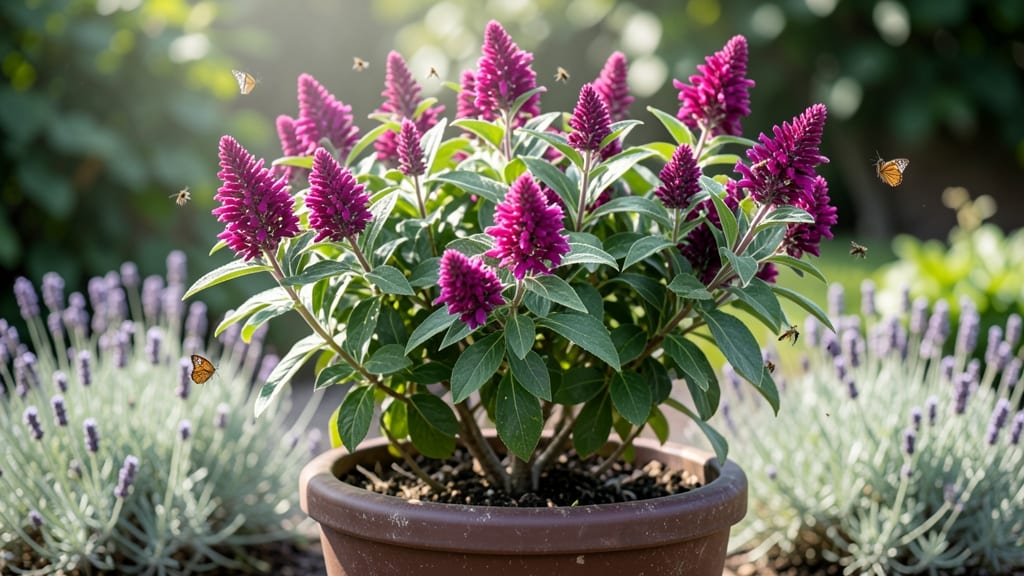
Three strategic cuts turn your butterfly bush into a pollinator magnet all season long. ✂️ I’ve pruned mine every year since 2018, and the difference between a wild, leggy shrub and a bushy, blooming powerhouse comes down to timing and technique—not fancy tools or expensive soil.
The secret isn’t complicated: prune late winter (before buds swell) to shape the plant, then trim after blooms fade to encourage more flowers. Most gardeners overthink it—you just need sharp shears, a sunny spot, and the patience to wait 4-6 weeks for the next flush of blooms.
My bush now bursts with purple spikes from June through October, drawing monarchs and swallowtails I’d never see before. You’ll end up with a neat, vigorous plant that blooms longer than any other shrub in my yard. The flowers stay fresh for weeks, the foliage stays dense, and the butterflies?
They don’t even notice the pruning scars. This method works for all Buddleia varieties, from dwarf types to towering giants. Fair warning: the first year might feel drastic, but trust the process. By spring, you’ll have a showstopper that outshines store-bought annuals—and costs nothing to maintain.
Let’s get those shears ready!
📚 In This Guide
- What you need
- Instructions
- Tips and common mistakes
- Wrapping up and next steps
What you need
- ● Pruning shears: Bypass shears (sharp, clean, and not dull—aim for 6- to 8-inch blades for precision). Pro tip: Disinfect with rubbing alcohol between cuts to prevent disease! 💡
- ○ Loppers: For thicker branches (10- to 12-inch handles for leverage). Optional: Ratchet-style loppers for stubborn stems.
- ● Hand pruners: For delicate trimming (4-inch blades), especially for shaping.
- ● Gloves: Heavy-duty gardening gloves to protect against thorns and sap.
- ● Bucket or trash bag: A 5-gallon bucket (for clippings) or a heavy-duty trash bag (for easy disposal).
- ● Rake: A leaf rake (for clearing debris post-prune).
- ● Hose or water sprayer: To clean tools and rinse off sap after pruning.
- ● Timing: Prune at the right time (early spring, late summer, or winter dormancy—see our guide for specifics!).
- ● Weather: Choose a dry, overcast day to avoid stressing the plant.
- ○ Safety gear: Optional but recommended: Safety glasses (if branches are large) and long sleeves (for protection).
- ● Plant health check: Inspect the bush for dead, diseased, or pest-infested branches before starting.
Instructions: prune your butterfly bush for nonstop color
Here's the straightforward method I use to keep my butterfly bushes blooming from spring until frost.
✂️ Step 1: Late Winter Cleanup Cut (Before New Growth)
Start in late February or early March, when the plant is still dormant but the ground has thawed. I grab my pruners and cut back all the previous year's stems to 4-6 inches above the ground. This might sound drastic, but trust me—it's the secret to vigorous new growth and more flowers.
Look for the largest, healthiest stems to keep. You'll notice some stems might have tiny buds already—don't cut those off. These buds will be your first blooms of the season. Remove any dead, diseased, or crossing branches first—they'll only compete with your healthy growth.
✂️ Step 2: Post-Bloom Renewal Cut (After First Flowering)
Once your butterfly bush finishes its first flush of blooms—usually 6-8 weeks after the late winter cut—it's time for the second prune. I wait until after the flowers fade but before any new buds form. This is your chance to shape the plant and encourage another round of blooms.
Cut back each stem to just above a set of leaves that are growing outward from the center of the plant. You'll see these leaves are typically 3-4 inches apart along the stem. This encourages bushier growth and more flower clusters. If a stem looks weak or leggy, cut it back harder to redirect energy.
✂️ Step 3: Light Summer Trim (During Active Growth)
About mid-summer, when the plant is actively growing but hasn't yet started its next round of blooms, do a quick maintenance trim. This is where you remove any deadheading flowers, crossing branches, or stems that are growing inward. You'll know it's time when you see new growth at the tips of the stems but no flower buds yet.
Use your pruners to make clean cuts just above a set of leaves. This keeps the plant looking tidy and encourages air circulation, which helps prevent fungal diseases. I like to do this on a dry morning when the plant isn't stressed from heat or watering.
⏰ Step 4: Fall Preparation (After Final Blooms)
Once your butterfly bush finishes its final blooms of the season—usually in late summer or early fall—do a light cleanup. Remove any dead or diseased branches, but leave the rest of the plant intact. This gives the plant a head start on next year's growth and protects it from winter damage.
I avoid heavy pruning in fall because it can stimulate new growth that won't have time to harden off before winter. Instead, just tidy up the plant and remove any debris around the base. This keeps pests and diseases at bay over the winter months.
Tips & tricks for pruning butterfly bushes
Here's what I've learned after years of keeping my butterfly bushes blooming all season long—simple tricks that make all the difference.
Timing is Everything: The late winter cleanup in late February or early March is non-negotiable. If you wait until spring when buds appear, you'll cut off potential blooms. I check the weather forecast and schedule this prune on a dry, calm day when temperatures are above freezing—this prevents stress on the plant. The 4-6 inch cut height might seem aggressive, but it's what triggers that flush of new growth you want for spring blooms.
The 6-8 Week Rule: This is your secret weapon for continuous blooms. After that first flush of flowers fades, count 6-8 weeks to schedule your renewal cut. I mark it on my calendar right after the first prune so I don't forget. The key is cutting just above outward-facing leaves—this creates that bushy shape that produces more flower clusters. Think of it like training a plant to grow outward rather than upward.
Mid-Summer Maintenance: This is where most people mess up. Don't prune when you see flower buds forming—that's when you'll cut off potential blooms. Instead, wait until you see new growth at the tips but no flower buds yet. I do this trim on a dry morning because wet conditions can stress the plant. The clean cuts you make here will keep air circulating and prevent those pesky fungal diseases that can ruin your plant's health.
Fall Cleanup Wisdom: The light cleanup in late summer/early fall is often overlooked, but it's crucial. I focus on removing only the dead or diseased branches—never more than 20% of the plant. This gives your butterfly bush a head start for next year while protecting it from winter damage. The goal is to leave the plant looking tidy but intact, with all its energy stored for spring growth.
Pro Tips for A Butterfly Bush
- Here's what I've learned after years of keeping my butterfly bushes blooming all season long—simple tricks that make ...
- Timing is Everything: The late winter cleanup in late February or early March is non-negotiable. If you wait until sp...
- The 6-8 Week Rule: This is your secret weapon for continuous blooms. After that first flush of flowers fades, count 6...
Frequently asked questions
Got questions about keeping your butterfly bush thriving with the perfect pruning routine? Here are some of the most common ones—and their answers!
When is the best time to prune a butterfly bush?
Prune your butterfly bush three times a year: late winter/early spring (just before new growth), mid-summer (after the first flush of blooms), and fall (to shape and remove dead wood). Avoid heavy pruning in late summer—it can stunt fall blooms!
Can I prune a butterfly bush too much?
Yes! Over-pruning—especially cutting back more than 1/3 of the plant’s height—can stress the bush, reduce blooms, and even kill it. Stick to the 3-cut method (light shaping, deadheading, and seasonal renewal) for best results. When in doubt, prune less!
Why aren’t my butterfly bushes attracting butterflies?
Butterflies love neat, healthy bushes with plenty of blooms. If yours are sparse, check for:
- Underwatering or over-fertilizing (which can reduce flowers).
- Dead or overgrown branches blocking sunlight.
- Pests like spider mites (spray with neem oil if needed).
What’s the deal with butterfly bush dying back in winter?
Butterfly bushes are semi-evergreen to deciduous, meaning they may drop leaves in cold climates (zones 5-9). If it looks dead, don’t panic—it’s often dormant! Prune back dead or blackened stems in late winter, then fertilize in spring. Hardy varieties like ‘Fast Track’ handle cold better.
Are there butterfly bush alternatives that need less pruning?
If pruning feels like a chore, try these low-maintenance butterfly magnets:
- Coneflower (Echinacea) – Blooms all summer with minimal trimming.
- Black-eyed Susan (Rudbeckia) – Self-cleans and reblooms easily.
- Milkweed (Asclepias) – Monarch magnet with no pruning needed.
Wrapping up and next steps
Transforming your butterfly bush into a vibrant, blooming powerhouse is easier than you think!
With just three simple cuts—spring shaping, post-bloom cleanup, and annual rejuvenation—you’ll keep those fragrant purple blooms coming year after year. 🌸 Plus, a well-pruned bush isn’t just beautiful; it’s healthier and more productive for pollinators.
Ready to roll up your sleeves? Start with one bush this season—you’ll be amazed at the difference a little pruning makes! For extra confidence, bookmark this guide or share it with a fellow gardening buddy. Happy pruning! ✂️💚