
Diseases
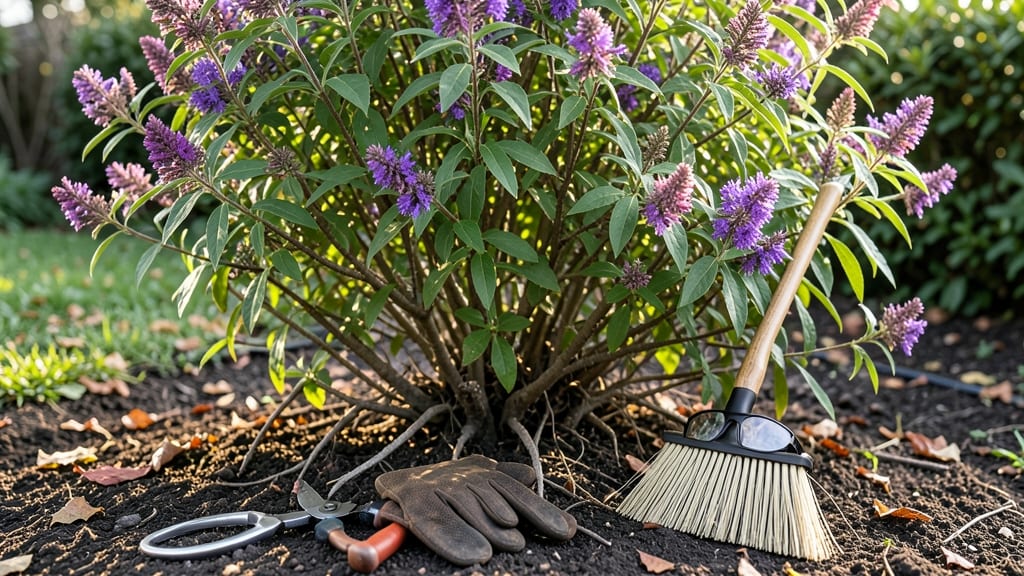
You should cut your butterfly bush to the ground every 2-3 years in late winter or early spring before new growth begins, as this rejuvenates the plant and encourages healthier blooms while minimizing stress on the shrub.
This aggressive pruning method isn't just about aesthetics—it's a health reset for your butterfly bush. 🌿 When you cut it back drastically, you're removing old, woody stems that can harbor pests and diseases while stimulating fresh, vigorous growth from the base.
The plant's natural response to this shock is to produce new shoots packed with energy, which often results in even more abundant blooms than before. Think of it like giving your bush a fresh start every few years, similar to how some perennials benefit from being divided and rejuvenated.
What's particularly interesting is how this timing works with the plant's biology. Butterfly bushes form flower buds on new wood, meaning they bloom on the current season's growth rather than last year's stems.
By pruning in late winter or early spring, you're ensuring all the energy goes into developing these new stems that will bear next year's flowers. This approach also prevents the plant from becoming overgrown and leggy, which can reduce both the quantity and quality of blooms.
💡 In This Article
- When and Why to Prune Butterfly Bushes Aggressively
- Step-by-Step Guide to Safe Butterfly Bush Rejuvenation
When and why to prune butterfly bushes aggressively
The science behind aggressive pruning lies in how butterfly bushes (Buddleia spp.) respond to dormancy.
When you cut back to the ground during late winter or early spring, you're tapping into the plant's natural growth cycle. 🌱 Most butterfly bushes are deciduous, meaning they shed their leaves in winter and enter a dormant state.
This dormancy period is when the plant conserves energy and prepares for new growth. By pruning at this time, you're removing old, often diseased stems while stimulating fresh shoots from the base, which are more vigorous and disease-resistant.
This method works because butterfly bushes are fast growers and produce flower buds on new wood. When you cut back aggressively, the plant redirects its energy toward developing new stems rather than maintaining old ones.
Studies show that plants like butterfly bushes can produce up to 30% more flowers after a rejuvenation prune because the new growth is more robust and healthy.
The key is timing—pruning too early can leave the plant vulnerable to cold snaps, while pruning too late can reduce the amount of time the plant has to recover before the growing season.
Another critical factor is disease prevention. Old, woody stems can harbor fungal infections and pests that weaken the plant over time. By cutting back to the ground, you eliminate these potential threats, giving your butterfly bush a clean slate.
This is especially important in humid climates where fungal diseases like powdery mildew can become problematic. After pruning, the fresh growth that emerges is less likely to be infected, leading to a healthier plant overall. 🌿
However, it's essential to understand that not all butterfly bushes respond the same way. Some varieties, particularly those bred for specific flower colors or forms, may take longer to recover from aggressive pruning.
For example, the 'Lo and Behold' series, which is known for its compact growth, might benefit from a slightly less drastic prune compared to the taller, more vigorous 'Miss Ruby' variety. Always observe your plant's response and adjust your pruning approach accordingly.
One common misconception is that cutting a butterfly bush to the ground will kill it. In reality, these plants are incredibly resilient and often bounce back with surprising vigor. The key is to ensure you're pruning at the right time and providing the plant with the care it needs afterward.
For instance, after a hard prune, it's crucial to water the plant deeply to help it recover and consider applying a balanced fertilizer to support new growth. This combination of timing and post-prune care makes all the difference in whether your butterfly bush thrives or struggles.
If you're unsure whether your butterfly bush is ready for aggressive pruning, look for signs of stress such as sparse foliage, fewer blooms, or visible signs of disease. These are clear indicators that your plant could benefit from a rejuvenation cut.
On the other hand, if your bush is young (under 3 years old) or has been recently transplanted, it's best to hold off on aggressive pruning until it's well-established. This way, you can ensure your butterfly bush gets the fresh start it deserves without unnecessary stress. 💫